Installation guide
 Owner’s manual
 Error Codes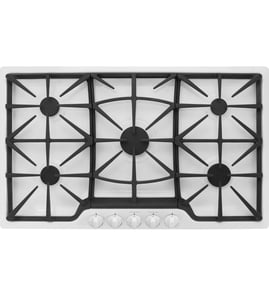

What is the highest BTU for a cooktop?
The highest BTU you’ll see on a residential gas cooktop is typically 18,000 BTU per burner; some professional-style models can reach around 25,000 BTU. Higher BTU means faster boiling and better searing, but it also demands stronger ventilation and correct gas supply setup (see the installation guide).
Typical BTU ranges (what they’re used for)
- 5,000 to 9,000 BTU: simmering, sauces, delicate cooking
- 9,000 to 12,000 BTU: everyday cooking, sautéing
- 12,000 to 18,000 BTU: high-heat cooking, stir-fry, searing
- 18,000 to 25,000 BTU (pro-style): very high heat, rapid recovery with large pans
What matters more than “highest BTU”
Even a high-BTU burner will underperform if the gas supply and regulator are not correct.
| What to check | Why it affects high-heat performance |
|---|---|
| Gas type (Natural gas vs LP) | Wrong gas type can cause weak flames or unsafe combustion |
| Regulator installed and oriented correctly | Regulates pressure so burners can reach designed output |
| Supply pressure within spec | Low pressure reduces flame size and heat |
| Ventilation capacity | Higher BTU creates more heat, moisture, and combustion byproducts |
Model-specific notes for Dacor ESG366
For the Dacor ESG366 cooktop, installation requirements call out using the supplied regulator and verifying gas supply pressure before use. The guide also notes that installations above 5,000 ft may require high-altitude setup, which can affect flame characteristics and cooking performance.
Why it matters
Choosing the right BTU range helps you match the cooktop to how you cook. High BTU is great for searing and fast boiling, but steady low BTU control is what prevents scorching and keeps simmering stable.
Last updated: February 2026
Which type of gas stove is best?
The best “type” of gas stove depends on how you cook: a gas cooktop like the Dacor ESG366 is ideal if you want responsive burner control, while a dual-fuel range (gas top, electric oven) is best for cooks who want gas on the surface and more even baking in the oven. For safe, reliable performance, follow the ventilation and installation requirements in the installation guide.
Quick guide: which type fits your kitchen?
- Gas cooktop (like ESG366): best if you already have a wall oven or want a built-in look
- All-gas range: best if you want gas burners and a gas oven in one appliance
- Dual-fuel range: best if you want gas burner control plus electric baking performance
- Pro-style gas range: best if you want higher output burners and heavier grates
- Induction (not gas): best if you want fast heating with easier cleanup (requires compatible cookware)
What to look for when comparing gas cooking options
We recommend focusing on features that affect day-to-day cooking, cleaning, and safety:
- Ventilation: always use good ventilation when cooking with gas
- Burner performance: look for steady flames and good low simmer control
- Ignition reliability: consistent sparking and quick lighting
- Cleaning design: sealed burner areas and removable grates help
- Gas type compatibility: confirm natural gas vs LP compatibility before purchase/installation
- Service access: shut-off valve and electrical outlet should remain accessible
Safety and installation details that matter (especially for gas)
Gas appliances perform best and stay safer when installed correctly.
| Item to verify | Why it matters | What “good” looks like |
|---|---|---|
| Gas supply type | Prevents poor flame and unsafe operation | Cooktop matches natural gas or LP gas supply |
| Regulator and shut-off valve | Allows proper pressure and safe servicing | Regulator installed close to inlet; manual shut-off valve accessible |
| Burner assembly | Prevents ignition issues and uneven flames | Burner parts fully seated; never operate with parts removed |
| Ventilation and airflow | Reduces exposure to combustion by-products | Keep slots and passages clear; ventilate while cooking |
Why it matters
Choosing the right “best” gas stove type is really about matching your cooking style and kitchen layout, then installing it correctly. With gas, proper airflow, correct regulator setup, and a steady blue flame are key to performance and safety.
Last updated: February 2026
Do gas cooktops need a regulator?
Yes. The Dacor ESG366 gas cooktop must be installed and operated with the included gas pressure regulator in the gas line between the shut-off valve and the cooktop gas inlet; it helps keep gas pressure at the correct level for safe, steady burner performance. See the installation guide.
What the regulator does (and why it matters)
A regulator reduces and stabilizes incoming supply pressure so the cooktop can maintain the correct manifold pressure for consistent ignition and flame size.
- Helps prevent oversized flames and poor simmer control
- Reduces nuisance ignition issues caused by pressure swings
- Protects gas valves and burner components from overpressure
- Supports proper performance on natural gas vs. LP (propane)
ESG366 gas pressure basics
The ESG366 installation instructions list these typical pressure targets.
| Gas type | Manifold pressure | Minimum supply pressure | Notes |
|---|---|---|---|
| Natural gas | 4 in. water column | 5 in. water column | Regulator required |
| Propane (LP) | 10 in. water column | 11 in. water column | Regulator required |
Installation notes we follow for ESG366
For best performance, we install the regulator as close to the cooktop gas inlet as practical and keep it accessible after installation.
- Install an external manual shut-off valve between the house gas supply and the cooktop
- Install only the regulator provided with the cooktop
- Confirm the regulator arrow points toward the cooktop (direction of gas flow)
- Leak-test connections with a non-flammable leak-detection solution (never a flame)
- Avoid over-tightening fittings to prevent damage
When to suspect a regulator or supply-pressure problem
If the regulator is missing, installed backward, or the supply pressure is incorrect, you can see performance issues such as:
- Burners that light slowly or click excessively
- Flames that lift off the burner, roar, or blow out easily
- Weak flames on multiple burners at the same time
- Poor simmer control or uneven heating
If you are replacing gas-line components during service, use the ESG366 parts list to match the correct gas components for your cooktop, such as the gas valve 86552 when applicable.
Last updated: February 2026