Error Codes


How to identify a Kenmore washer model?
To identify your Kenmore washer model, we look for the model/serial tag on the washer cabinet. On Kenmore model 11092573200, the tag is typically on the back of the control panel, under the lid opening, or on the cabinet side near the bottom.
Where to look (most common locations)
- Top-load washers: under the lid, around the tub opening
- Back of the control console: on the rear panel or underside of the console
- Main cabinet side: near the bottom edge (left or right side)
- Rear panel: sometimes near the power cord entry
- Front-load washers (general tip): inside the door opening or on the door jamb
What the model tag looks like
The label usually includes:
- Model number (for example, 11092573200)
- Serial number
- Electrical rating (volts/amps)
- Sometimes a manufacturing date code
Why the exact model number matters
Kenmore washers often share similar styling across multiple model numbers, but parts can differ by series and revision. Using the exact model number helps us match the correct drive system and wash components.
| If you need to order | Use this identifier | Example for this washer |
|---|---|---|
| Correct parts list | Model number | 11092573200 |
| Exact version/run | Serial number | From the same tag |
If the tag is missing or unreadable
- Check for a faded imprint on the cabinet where the label was placed
- Look for a duplicate tag on the rear panel
- If you are troubleshooting a top-load agitation issue, confirm whether your washer uses common wear items like an agitator dog 80040 (model matching still matters)
Last updated: February 2026
What is the average lifespan of a Kenmore washer?
A Kenmore washer like model 11092573200 typically lasts 10 to 15 years with normal household use. Consistent maintenance, correct loading, and fixing small problems early (drain issues, agitation problems, out-of-balance shaking) are what most often determine whether you land closer to 10 or 15.
What affects washer lifespan most
- Load habits: Overloading strains the drive system, clutch, and suspension.
- Drain performance: Slow draining makes the pump work harder and can lead to leaks.
- Agitation wear: Worn agitator components reduce cleaning and can cause noise or slipping.
- Vibration control: Repeated out-of-balance loads wear suspension parts faster.
- Water quality: Sediment can shorten the life of inlet valve components.
Signs your washer is nearing end of life
- Won’t spin reliably, or leaves clothes soaking wet
- Loud grinding during agitation or spin
- Frequent leaks from the tub area or pump
- Burning smell, repeated tripped breaker, or motor struggles
- Repairs are becoming frequent and involve major drive components
Common wear parts that can extend service life
If performance drops but the washer is otherwise in good shape, these model-compatible parts are often involved:
| Symptom | Commonly involved part | Example part for this model |
|---|---|---|
| Agitator “slips” or doesn’t move clothes well | Agitator dogs | Agitator dog 80040 |
| Won’t drain or drains slowly | Water pump | Water pump WP3363394 |
| Shakes or bangs in spin | Suspension spring | Washer suspension spring WP63907 |
Why it matters
A washer that is maintained and repaired early usually avoids secondary damage (for example, a drain problem that turns into a motor or gear case strain). That is the difference between a straightforward part replacement and a major repair decision.
Last updated: February 2026
What replacement parts are most commonly needed for the 11092573200?
For the Kenmore 11092573200 washer, the most commonly needed replacement parts are the ones that wear from everyday agitation, draining, and spinning. We typically see frequent replacements for the drive coupling, water pump, lid switch, and agitator components.
Commonly replaced parts for this model
These are the parts on this model that most often solve “won’t agitate,” “won’t spin,” “won’t drain,” leaks, or noisy operation:
- Coupling 285753A (drive connection between motor and transmission)
- Water pump WP3363394 (drains water; can leak or jam)
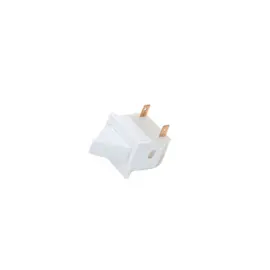
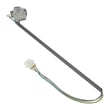
- Switch 285671 (lid switch; can stop spin/agitate if it fails)
- Agitator dog 80040 (agitator “ratcheting” action; common wear item)
- Agitator cam 285748 (agitator directional movement)
- Washer water-level pressure switch WP3356467 (fill level sensing issues)
Quick symptom-to-part guide
Use this as a fast way to narrow down what to check first.
| Symptom | Most likely part(s) to check | What you may notice |
|---|---|---|
| Won’t agitate but motor runs | Coupling, agitator dogs/cam | Tub fills, then nothing moves |
| Won’t drain | Water pump, drain hose connection | Water left in tub, humming |
| Won’t spin | Lid switch, clutch, coupling | Drains but basket does not reach speed |
| Leaking from bottom | Water pump, tub gasket | Puddle under washer |
Why these parts fail more often
These components handle the most stress in a direct-drive top-load washer like the Kenmore 11092573200.
- Couplings wear to protect the motor and gear case from shock loads
- Pumps can clog with coins, socks, or debris and start leaking
- Lid switches fail from repeated lid slams or worn actuators
- Agitator dogs and cams are designed wear parts for the agitator’s one-way action
Tips before you order
A few quick checks help you buy the right fix the first time.
- Match the symptom to the cycle step (fill, agitate, drain, spin)
- Look for visible leaks at the pump and hose connections
- If the washer drains but will not spin, test the lid switch first
- If agitation is weak or one-direction only, inspect the agitator dogs and cam
Last updated: March 2026