Error Codes



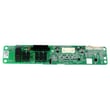

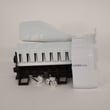
Can I replace fridge parts myself?
Yes. On a GE GFE28GYNIFS bottom-mount refrigerator, we can replace many non-sealed-system parts ourselves (like bins, shelves, door gaskets, and some dispenser and ice maker components) using basic tools and safe shutoff steps. For sealed cooling system repairs, we use a professional.
Here is a practical split for most GE bottom-mount and French door refrigerators.
- Good DIY repairs: door gasket, door handle, shelves and bins, air filter, water filter, interior light, some ice maker and dispenser access parts
- DIY with extra care: evaporator fan area access, defrost drain clearing, water inlet valve diagnosis, door alignment and mullion work
- Not DIY: compressor, evaporator, condenser, refrigerant lines, brazing or any sealed-system work
| Repair type | Typical skill level | Why |
|---|---|---|
| Water filter and air filter service | Easy | No wiring; quick maintenance that prevents flow and odor issues |
| Door seal and door alignment | Easy to moderate | Fixes warm temps, frost, and door-ajar alarms |
| Ice maker and dispenser troubleshooting | Moderate | Involves panels, switches, and water flow checks |
| Sealed cooling system | Pro-only | Refrigerant handling and specialized tools required |
- Unplug the refrigerator (or switch off the breaker)
- Turn off the household water supply if working on the dispenser or ice maker
- Protect floors; pull the unit out carefully to avoid kinking the water line
- Take photos of wire connectors and screw locations as we disassemble
- Restore power and confirm temperatures after the repair (fresh food and freezer)
DIY repairs on wear items (filters, gaskets, door hardware) restore cooling efficiency and reduce nuisance alarms. Knowing when to stop (sealed-system and complex electrical issues) prevents damage and keeps the repair cost-effective.
- Use how to replace the water filter in a GE refrigerator for filter selection and replacement steps.
- Use how to reset the door alarm on a GE refrigerator if the doors are closed but the alarm continues.
- Use GE refrigerator error codes when the display shows a code and you need the next diagnostic step.
Last updated: February 2026
How to find GE appliance parts?
To find the right replacement parts for your GE refrigerator model GFE28GYNIFS, match parts to the exact model number first, then narrow by the symptom or system (cooling, ice maker, dispenser, doors). This prevents ordering look-alike parts that do not fit or connect correctly.
- Find the model number on the refrigerator’s rating label (commonly inside the fresh food compartment on a side wall or near a crisper drawer).
- Enter GFE28GYNIFS exactly as shown (letters and numbers matter).
- Choose the section that matches what you are fixing (for example: ice maker, water dispenser, evaporator fan, door gasket).
- Compare part descriptions to your symptom (leaking, warm temps, no ice, door not sealing).
- Confirm any visible details before ordering (connector style, mounting holes, color, left vs. right).
| Problem you notice | Parts that commonly relate | What to check first |
|---|---|---|
| Not making ice | Ice maker assembly, water inlet valve, fill tube | Water supply on, filter not clogged |
| Water dispenser slow | Water filter, dispenser tubing, inlet valve | Filter age, air in line |
| Warm refrigerator section | Evaporator fan, thermistor, control board | Fan noise, frost buildup |
| Door not closing or leaking air | Door gasket, hinges, mullion/flipper | Gasket gaps, door alignment |
GE refrigerators like GFE28GYNIFS can use different versions of the same-looking component across production runs. Using the exact model number and then selecting parts by system (cooling, water, doors) is the fastest way to get a correct-fit replacement and avoid repeat repairs.
- If the door alarm is sounding or will not clear, use how to reset the door alarm on a GE refrigerator.
- If the French doors are not sealing evenly, use how to remove a GE french door refrigerator flipper mullion.
- If the display shows a fault, use GE refrigerator error codes.
- If you are troubleshooting water taste, flow, or ice quality, use how to replace the water filter in a GE refrigerator.
Last updated: February 2026
How to remove bottom grille on GE refrigerator?
On the GE GFE28GYNIFS bottom-mount refrigerator, the bottom grille (base grille or toe grille) typically comes off by removing any retaining screws (if present) and then pulling the grille straight out to release the locking tabs. Reinstall by aligning it and pushing it back into place.
- Unplug the refrigerator or switch off power at the breaker (recommended when working near wiring).
- Open both fresh food doors for better access.
- Look along the top edge of the grille for screws; remove them with a Phillips screwdriver if you see them.
- Grip the grille near both ends and pull straight outward; use steady pressure to pop the tabs free.
- If it feels stuck, check both corners for hidden clips and pull evenly (avoid twisting).
- Set the grille aside where it will not get stepped on.
| What’s holding the grille | What to do | What to avoid |
|---|---|---|
| 2 to 4 Phillips screws | Remove screws first, then pull grille out | Forcing the grille before screws are out |
| Snap-in tabs/clips | Pull straight out with even pressure | Bending the grille or prying hard in one spot |
| Side alignment pins | Wiggle slightly while pulling | Yanking one side only |
- Confirm all screws are removed (some models have screws only on one side).
- Use a plastic putty knife to gently start one corner, then work across.
- Check for ice buildup or debris at the bottom edge; clean it out and try again.
- If the doors are rubbing the grille, level the refrigerator before reinstalling.
We remove the bottom grille to access and clean the condenser area, inspect the drain pan area for leaks, and improve airflow. A properly seated grille also helps prevent vibration noise and keeps pets and dust away from the condenser fan area.
Related help: how to get rid of refrigerator puddles
Last updated: February 2026
Is it worth repairing a GE refrigerator?
Yes, repairing a GE refrigerator like model GFE28GYNIFS is worth it when the unit is under about 10 years old and the repair is a common, contained issue (fan, defrost, door seal, ice maker, dispenser). Replacement makes more sense when the repair involves the sealed system or repeated major failures.
- Repair when the fridge cools inconsistently, makes new noises, leaks water, or the ice maker stops, but the cabinet and doors are in good shape.
- Replace when you have a compressor/sealed system problem, multiple expensive failures close together, or chronic temperature swings that return after repairs.
- If the repair estimate is under ~50% of replacement cost, repair is typically the better value.
- If food is spoiling or temps are unsafe, prioritize diagnosis immediately (cooling issues can escalate).
- If you see an error code, use GE refrigerator error codes to narrow the failure before buying parts.
These are frequent on bottom-mount and French door GE refrigerators and typically restore performance without “snowball” costs:
- Evaporator fan or airflow problems (warm fridge, freezer OK)
- Defrost system issues (frost buildup, weak cooling)
- Water inlet valve or dispenser air in the line (no water, slow fill)
- Door gasket or alignment problems (sweating, frost, warm spots)
- Ice maker and dispenser mechanism issues
| Situation | Typical best choice | Why |
|---|---|---|
| Minor electrical or airflow issue | Repair | High success rate, limited parts/labor |
| Water leak or dispenser issue | Repair | Often a single component or line problem |
| Sealed system or compressor issue | Replace | High labor cost, higher repeat-risk |
| Multiple major failures in 12 months | Replace | Total cost tends to exceed value |
A targeted repair on a GE refrigerator often restores cooling, ice production, and energy efficiency for years. A sealed-system repair can cost enough that you are paying premium dollars for an older platform.
- How to diagnose a faulty refrigerator water inlet valve
- How to fix your evaporator cooling fan
- How to fix a fridge door seal
Last updated: February 2026
What is the most common problem with a GE refrigerator?
The most common GE refrigerator problem (including models like GFE28GYNIFS) is a cooling complaint: the fresh food section gets warm, the freezer temperature drifts, or temperatures swing. The next most common issue is ice maker and dispenser trouble, often tied to airflow, frost buildup, or water supply problems.
- Not cooling enough: dirty condenser coils, blocked air vents, weak evaporator fan, or a defrost problem
- Freezer OK but fridge warm: restricted airflow between compartments, frosted evaporator, or evaporator fan issue
- Runs all the time: condenser coils clogged, door not sealing, or temperature set too cold
- Ice maker not making ice or slow: water supply restriction, filter overdue, air in the line, or inlet valve issue
- Water dispenser weak: filter restriction, air in the line, or supply valve not fully open
- Confirm door closure and gasket seal: look for gaps, torn gasket, or items preventing full closure.
- Check airflow: keep packages from blocking vents in the refrigerator and freezer.
- Clean condenser coils: dust buildup is a top cause of poor cooling and long run times.
- Verify temperature settings: allow 24 hours after changes to stabilize.
- If ice or water is affected: replace the filter on schedule and purge air from the dispenser.
| Symptom | Most likely cause | Best first step |
|---|---|---|
| Fridge warm, freezer cold | Airflow or evaporator fan issue | Clear vents; listen for fan |
| Frost on back wall/freezer | Defrost system issue | Defrost and monitor return |
| Ice maker slow/no ice | Water supply or filter restriction | Replace filter; purge line |
| Door alarm beeping | Door not sealing or not fully closed | Check gasket and alignment |
Cooling and ice maker problems often start small (dusty coils, blocked vents, a weak door seal) and then snowball into food spoilage, heavy frost, and nonstop compressor run time. Catching the simple causes early prevents bigger repairs.
For model-specific DIY help, we recommend starting with GE refrigerator error codes and, for door-related symptoms, how to reset the door alarm on a GE refrigerator.
Last updated: February 2026