Owner’s manual
 Error Codes


What's the lifespan of a bottom freezer fridge?
A bottom-freezer refrigerator typically lasts 13 years with normal household use and basic maintenance. For your Samsung RFG298AAWP, keeping temperatures steady, cleaning airflow areas, and fixing door-seal leaks quickly are the biggest factors that help you reach (or beat) that average; see the RFG298AAWP owner's manual for care and operating guidance.
Typical lifespan and what affects it
Most bottom-freezer and French door style refrigerators wear out from cooling-system strain, poor airflow, or moisture issues that lead to icing and leaks.
- Usage and door openings: frequent openings shorten compressor run cycles
- Room conditions: hot garages and tight cabinets increase heat load
- Maintenance: dirty condenser area and blocked vents reduce efficiency
- Door sealing: torn or warped gaskets cause warm-air leaks and frost
- Ice and water system health: clogs and freezing can create recurring service issues
Quick maintenance checklist (best ROI)
These steps help the sealed system (compressor, evaporator, condenser) run cooler and longer.
- Keep refrigerator at 33°F to 36°F and freezer at 0°F to 2°F (common Samsung guidance)
- Leave space for airflow around the cabinet; do not block interior vents
- Clean dust from the condenser area and fan path periodically
- Check door closing and gasket contact; correct gaps and misalignment
- Defrost and clear ice buildup if airflow gets restricted
Lifespan expectations by scenario
| Scenario | What you can expect | What usually ends the unit |
|---|---|---|
| Well maintained, normal kitchen | Around 13 years | Fan failures, gasket leaks, control issues |
| Hot location or poor airflow | Shorter than average | Compressor overwork, icing, warm temps |
| Heavy use (large household) | Average to slightly shorter | Ice maker and door wear, higher run time |
Why it matters
A refrigerator that is running longer cycles than normal uses more energy and can struggle to hold safe food temperatures. Small fixes like improving airflow and sealing the doors often prevent bigger cooling problems later.
Last updated: January 2026
What is the most common problem with Samsung refrigerators?
The most common problems we see with Samsung refrigerators like model RFG298AAWP are ice maker issues (no ice, freezing up, leaking) and cooling problems (warm fresh food section, frost buildup, noisy fans). These symptoms often trace back to airflow restrictions, ice buildup, or a failing fan or control component.
Most common symptoms customers report
- Ice maker stops producing ice or makes small/hollow cubes
- Ice bucket clumps or the ice room freezes up
- Fresh food section warms while freezer seems OK
- Frost or ice buildup on the evaporator cover or air vents
- Unusual humming, grinding, or fan noise
Quick checks you can do first (no parts needed)
- Confirm doors seal fully and nothing is blocking vents inside the refrigerator.
- Make sure the refrigerator has enough clearance for airflow around the cabinet (tight installs can hurt cooling efficiency).
- If the ice maker is slow, verify household water supply is fully on and the water line is not kinked.
- If you see ice or frost buildup, move food away from vents and check for blocked airflow.
- Power reset: unplug for 5 minutes, then restore power and monitor temperatures for the next 24 hours.
Parts that commonly relate to these problems on RFG298AAWP
If troubleshooting points to a failed component, these model-matched parts are common suspects:
| Problem area | What you may notice | Example model-matched part |
|---|---|---|
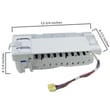
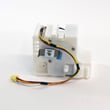
| Ice production | No ice, overflow, or inconsistent harvest | Refrigerator ice maker assembly da97-07365g |
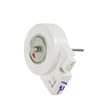
| Airflow and cooling | Warm fridge, noise, poor circulation | Refrigerator freezer evaporator fan motor DA31-00146E |
| Defrost drainage | Water under crisper, puddles, ice buildup from drain freeze | Refrigerator drain tube DA97-04049D |
Why it matters
Ice maker and cooling problems can lead to temperature swings, food spoilage, and extra strain on the sealed system. Catching airflow, frost, and drainage issues early usually prevents bigger repairs later.
Helpful reference
For model-specific operating guidance, clearances, and safety steps, use the RFG298AAWP owner’s manual.
Last updated: January 2026
Why is the bottom freezer refrigerator not popular?
Bottom-freezer refrigerators (including the Samsung RFG298AAWP) are less popular mainly because they typically cost more than top-freezer models and many people dislike bending down to reach frozen foods in a deep drawer. Some shoppers also prefer the simpler layout and lower repair risk of basic top-freezer designs.
What people like (and dislike) about bottom-freezer designs
Bottom-freezer units put fresh food at eye level, but the tradeoffs can matter in day-to-day use.
- More bending for frozen items: the freezer is low, and items can stack in layers.
- Higher purchase price: bottom-freezer and French door styles usually cost more than top-freezer models.
- Drawer organization can be harder: small items can get buried under larger packages.
- More features, more parts: ice makers, dispenser controls, and multiple fans add complexity.
- Fresh-food convenience: many buyers still prefer having refrigerator shelves at eye level.
How this relates to the Samsung RFG298AAWP specifically
Your RFG298AAWP is a feature-rich Samsung French door, bottom-freezer refrigerator. The manual highlights features like Twin Cooling System, a full-width Cool Select Pantry drawer, door alarm, and ice maker capability, which are great for convenience but can increase cost and complexity compared with simpler top-freezer models.
| Design type | Common reason it sells | Common reason it does not |
|---|---|---|
| Top-freezer | Lower cost, simple layout | Fresh food is lower, more bending for fridge items |
| Bottom-freezer | Fresh food at eye level | More bending for freezer items, higher cost |
| French door (bottom freezer) | Wide shelves, premium features | Highest cost, most complex |
Why it matters when you are choosing or maintaining one
Popularity often comes down to comfort and budget, not performance. If you already own a bottom-freezer model, focusing on airflow, door sealing, and ice maker upkeep helps it run efficiently.
- Keep vents clear so cold air circulates properly.
- Avoid overfilling; items can fall out and doors may not close fully.
- Confirm doors and freezer drawer close completely to reduce condensation and temperature swings.
- If ice production is slow, verify the water line is connected and allow time after hookup before expecting full ice output.
Helpful references for owners
- Use the RFG298AAWP owner's manual to match features and operating tips to your exact configuration.
- If ice production is a frequent frustration, follow the steps in why your Samsung fridge stopped making ice and how to fix it.
Last updated: January 2026