 Installation guide
 Owner’s manual


Are Whirlpool washer parts interchangeable?
Whirlpool washer parts are sometimes interchangeable across models, but we only recommend using parts that are listed for your exact washer model WTW7300DW0. Whirlpool often revises designs, connectors, and calibrations, so the “same-looking” part can still fit poorly or cause performance problems.
Parts can be interchangeable only when the replacement is an approved substitute for the original part used on WTW7300DW0. The safest way to confirm is to match by model-based lookup and the diagrams in the WTW7300DW0 owner’s manual.
Common reasons a Whirlpool part is not interchangeable:
- Different wiring plugs or pin-outs (controls, lid locks, valves)
- Revised mounting points or shaft sizes (washplate, drive components)
- Software or sensing differences (user interface, control boards)
- Material changes that affect balance or noise (suspension, basket)
- Updated kits that replace multiple older parts at once
These components frequently vary by revision and should be matched to the model:
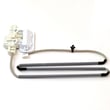
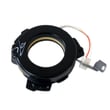
- Lid lock: washer lid lock assembly W10810403
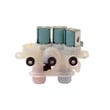
- Water inlet valve: washer water valve W11220230
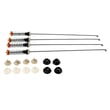
- Suspension: damper assembly, tub suspension (set of 4-includes suspension bushings and suspension balls) W11130359
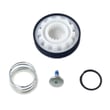
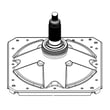
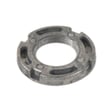
- Drive system: drive assembly W11393685
Use this checklist before ordering:
- Confirm the full model number is WTW7300DW0 (from the washer’s model tag)
- Compare the part ID and description to the model’s parts list
- Check whether the replacement is shown as a substitution for your model
- Verify any included hardware, harnesses, or instructions match your setup
- If the issue is an error code, cross-check symptoms with Whirlpool cabrio top load washer error codes
| Part type | Usually interchangeable? | Best practice |
|---|---|---|
| Cosmetic pieces (some knobs, hinges) | Sometimes | Match by model and color/finish |
| Mechanical drive parts | Sometimes | Confirm revision and kit contents |
| Electrical parts (controls, locks, valves) | Rarely | Match exact model listing |
Using the correct Whirlpool replacement part helps your WTW7300DW0 wash, drain, and spin properly, and it prevents repeat failures caused by mismatched fit, wiring, or sensing.
Last updated: February 2026
How do I put my Whirlpool Cabrio washer in diagnostic mode?
To put your Whirlpool WTW7300DW0 Cabrio top-load washer in diagnostic mode, we place the washer in Standby and then use the control knob “service cycle” sequence shown for this exact model in the WTW7300DW0 owner's manual. Once the lights change, you can run automatic or manual tests.
Use the model-specific sequence in the manual because the knob pattern and timing vary by Whirlpool Cabrio control.
- Put the washer in Standby (plugged in; all indicators off; no cycle running).
- Close the lid.
- Turn the cycle selector knob to the starting position specified for WTW7300DW0.
- Perform the exact knob-turn sequence and timing window listed for WTW7300DW0.
- Confirm entry when the console indicators change to the diagnostic pattern.
Most Cabrio-style diagnostics provide two common paths: an automatic test cycle and manual component checks.
- Start the automatic test to step through fill, agitate, drain, and spin.
- Use the knob to move through manual tests (individual loads like valves, drain, motor).
- Record any fault codes shown; they point to the system that failed.
| Diagnostic option | What it does | Best used for |
|---|---|---|
| Automatic test | Runs a scripted sequence | Quick overall health check |
| Manual tests | Turns on one component at a time | Pinpointing a specific failure |
- Verify power: outlet, breaker, and that the console wakes up.
- Make sure the lid can lock; a failed lock often blocks tests.
- Reset the control: unplug 1 minute, then retry.
- If the lid will not lock, inspect or replace the washer lid lock assembly W10810403.
Diagnostic mode lets us separate a control issue from a mechanical problem (drain, drive, lid lock) before replacing parts, which prevents repeat failures and unnecessary repairs.
Last updated: February 2026
How long should a Whirlpool Cabrio washer last?
A Whirlpool Cabrio-style top-load washer like model WTW7300DW0 typically lasts 10 to 14 years with normal household use and basic maintenance. Heavy loads, frequent use, and out-of-balance operation shorten lifespan; routine cleaning and prompt repairs help it reach the high end of that range.
Most washer life comes down to how hard the drive system, suspension, and lid lock are worked over time.
- Normal use (3 to 5 loads/week): 10 to 14 years
- Heavy use (daily loads, large families): closer to 8 to 12 years
- Light use (1 to 2 loads/week): often 12 to 15 years
- Poor leveling or chronic overloads: reduces life quickly
- Regular cleaning and correct detergent: extends component life
We recommend following the care steps in the WTW7300DW0 owner's manual and keeping these habits consistent:
- Level the washer so the tub stays centered during spin
- Use HE detergent and avoid over-sudsing
- Run a monthly cleaning cycle (or hot wash with washer cleaner)
- Leave the lid open between loads to reduce odor and moisture
- Check hoses for bulges or leaks and replace when worn
When a Cabrio-style washer starts getting loud, shaking, or failing to spin, these are common wear items that can determine whether repair is worthwhile:
| Symptom | Common area | Example part for WTW7300DW0 |
|---|---|---|
| Won’t start or stops mid-cycle | Lid lock system | Washer lid lock assembly W10810403 |
| Excessive shaking or banging | Suspension | Damper assembly/tub suspension set (rods) |
| Poor agitation or spin issues | Drive components | Drive assembly, clutch components |
Knowing the expected lifespan helps you plan: if your WTW7300DW0 is under about 10 years old, repairing a single failed part (like a lid lock or suspension set) often restores reliable performance; past the 12 to 14 year mark, multiple wear symptoms usually show up closer together.
Last updated: February 2026
How much does it cost to repair a Whirlpool washing machine?
For a Whirlpool WTW7300DW0 washer, most repairs land in the $100 to $400 range (parts plus labor). Small fixes like a drain hose or lid lock are often on the low end; major drive or control problems typically push the total higher. See the WTW7300DW0 owner's manual for model-specific diagnostics and checks.
Costs vary by symptom, labor rates, and whether the repair is in-home or shop-based.
- Minor: $100 to $200 (simple adjustments, hoses, basic service)
- Common: $200 to $350 (lid lock, water valve, suspension issues)
- Major: $350 to $600+ (drive system, motor components, electronic controls)
- Service call/diagnostic: commonly $75 to $150 (often applied to the repair)
- Labor: commonly $100 to $200+ depending on time and local rates
| Repair type | What you may notice | Example parts for WTW7300DW0 | Typical total |
|---|---|---|---|
| Won’t start or won’t lock | Lid won’t latch, cycle won’t begin | Washer lid lock assembly W10810403 | $200 to $350 |
| Won’t fill or fills slowly | No water, weak flow, long fill | Washer water valve W11220230 | $200 to $350 |
| Shakes or bangs | Off-balance, loud thumping in spin | Damper assembly, tub suspension (set of 4-includes suspension bushings and suspension balls) W11130359 | $250 to $450 |
| Won’t drain well | Water left in tub, slow drain | Washer drain hose W11244231 | $150 to $300 |
- Multiple symptoms at once (for example, shaking plus poor spin)
- Hard-to-access repairs that require more disassembly
- Replacing assemblies instead of a single component
- Repeat visits due to intermittent electrical or wiring issues
- Using the wrong part for the exact model revision
Repair is usually the smart choice when the washer is otherwise in good shape and the estimate is less than about half the cost of a comparable new washer.
A correct diagnosis prevents “parts swapping.” On the WTW7300DW0, issues like no-start, no-fill, and spin complaints can overlap, so confirming the failure point first helps you avoid unnecessary parts and labor.
Last updated: February 2026
How to fix F13 error Whirlpool washing machine?
On the Whirlpool WTW7300DW0 washer, an F13 error is typically tied to a lid/lock sensing problem. We fix it by confirming the lid closes fully, cleaning the strike/lock area, and then checking the lid lock wiring and latch operation per the WTW7300DW0 owner's manual.
- Press down on the lid at the front edge and start a cycle again.
- Remove any laundry caught between the lid and rim.
- Clean detergent residue from the lid strike and lock opening; residue can prevent a solid latch.
- Power reset: unplug the washer (or switch off the breaker) for 2 minutes, then restore power.
- Run a short cycle (Rinse/Spin) to confirm the lock engages and the basket can spin.
If the lid is closing but the washer still will not lock or keeps beeping, the lid lock circuit is the first place we look.
| Symptom | Most likely area | What to do next |
|---|---|---|
| Lid will not lock, cycle will not start | Lid lock mechanism | Inspect/replace washer lid lock assembly W10810403 |
| Lid locks sometimes, then stops mid-cycle | Loose connection or failing lock | Reseat connector at the lock; check harness routing |
| Washer fills but will not advance to agitate/spin | Lock not proving closed | Verify lid strike alignment; test lock engagement |
- Unplug the washer.
- Open and close the lid slowly; confirm it is not binding on the hinges.
- Inspect the lid strike area for cracks, warping, or heavy buildup.
- Check the lid lock mounting; it should be secure and aligned.
- If the lock is physically damaged or does not click/engage consistently, replace the lock assembly.
The washer uses the lid lock as a safety interlock. If the control does not sense a locked lid, it can stop filling, prevent agitation/spin, or drain unexpectedly to protect you and the drive system.
Last updated: February 2026
What is the capacity of the Whirlpool model wtw7300dw0?
The Whirlpool WTW7300DW0 washer has a 4.8 cu. ft. capacity, which is considered a large-capacity top-load washer. That size is designed to handle bulky loads like comforters and larger mixed loads with fewer cycles (using the right cycle and load setting).
We recommend checking the model-specific documentation for the exact capacity listing and the best load-size recommendations for cycles such as Normal, Bulky/Sheets, and Deep Water Wash.
- Look for “Capacity” or “Specifications” in the WTW7300DW0 owner's manual
- Use the “Bulky/Sheets” cycle for comforters and large items
- Avoid packing items down; load loosely for better turnover and rinsing
- Match the load size setting to the load (Small/Medium/Large) if your cycle offers it
- Use HE detergent and measure carefully to prevent oversudsing
Capacity is the tub volume, not a weight limit. Real-world load size depends on fabric type, absorbency, and how freely items can move during wash.
| Load type | Typical fit in 4.8 cu. ft. | Best practice |
|---|---|---|
| Everyday mixed load | Large | Do not compress; leave room at the top |
| Towels | Medium to large | Use enough water for good rinsing |
| King/queen comforter | Often fits (varies by fill) | Use Bulky/Sheets; balance the load |
| Small items | Small | Use a mesh bag when needed |
Using the correct load size helps the WTW7300DW0 clean better, spin out more water, and reduce vibration. Overloading is a common cause of poor cleaning, out-of-balance spinning, and extra wear on suspension components.
Last updated: February 2026
What is the most common problem with Whirlpool washers?
For Whirlpool washers like model WTW7300DW0, the most common customer-reported problems are not draining or not spinning, often caused by load issues (off-balance), a lid lock problem, or a drain restriction. These symptoms usually show up as standing water, wet clothes, or a cycle that stops early.
- Won’t spin: load is unbalanced, lid not locking, or drive system issue
- Won’t drain: drain hose kinked/blocked, standpipe issue, or pump restriction
- Loud banging or walking: suspension is worn or the washer is not level
- Won’t start or stops mid-cycle: lid lock not engaging or control not sensing a safe condition
- Fills slowly or won’t fill: inlet screens clogged or water valve problem
Start with these no-parts steps before replacing anything; they solve a large share of “won’t spin/drain” calls.
- Redistribute the load; run a Drain/Spin cycle with 4 to 6 similar items
- Confirm the lid closes fully and clicks; avoid slamming the lid
- Check the drain hose for kinks and verify the standpipe is not sealed airtight
- Make sure the washer is level and all feet are firmly on the floor
- Review cycle and option selections in the WTW7300DW0 owner’s manual
If the basic checks do not help, these are frequent repair paths for WTW7300DW0 symptoms.
| Symptom | Common cause | Example part for WTW7300DW0 |
|---|---|---|
| Won’t start or won’t spin with lid closed | Lid not locking | Washer lid lock assembly W10810403 |
| Excessive shaking, banging, off-balance | Weak suspension | Damper assembly/tub suspension set (common fix) |
| Fills issues (slow fill, no fill) | Inlet valve not opening correctly | Washer water valve (common fix) |
A washer that can’t drain or spin leaves clothes soaked and can strain the drive system over time. Fixing balance, leveling, and lid-lock issues early helps prevent bigger repairs like drive or suspension damage.
Last updated: February 2026





