


What's the average cost of a new central air conditioning unit?
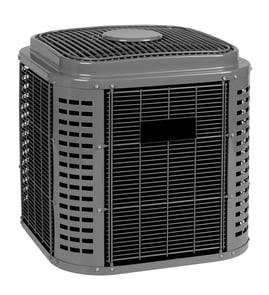
A new central air conditioning system typically costs about $5,000 to $12,000 installed for many homes, with the final price driven mostly by system size (tons), efficiency (SEER2), and installation complexity. For your Amana RCB30B2A outdoor condensing unit, matching the right capacity and coil compatibility matters as much as the equipment price.
What’s included in “average cost”
Most quotes bundle equipment and labor. Here’s what commonly makes up the total:
- Outdoor condensing unit and indoor coil (or air handler)
- Refrigerant line work adjustments and brazing
- Electrical work (disconnect, whip, breaker sizing if needed)
- Condensate drain updates (for the indoor side)
- Startup, charging, and performance testing
- Permits and disposal of the old unit (often)
Typical price ranges (installed)
These ranges are common for central AC replacements; your home and region can push costs higher or lower.
| Scenario | Typical installed range | What usually changes the price |
|---|---|---|
| Like-for-like replacement (same size, easy access) | $5,000 to $8,000 | Minimal duct and electrical changes |
| Higher-efficiency upgrade (SEER2 increase) | $7,000 to $12,000 | Equipment cost, controls, commissioning |
| Complex install (duct fixes, hard access, electrical upgrades) | $10,000 to $15,000+ | Labor time, materials, code updates |
Quick ways to estimate your installed cost
Use these practical checkpoints before you compare bids:
- Capacity: Most homes land around 2 to 5 tons; oversizing can reduce comfort and efficiency.
- Efficiency: Higher SEER2 usually costs more upfront but can reduce operating cost.
- Ductwork condition: Leaky or undersized ducts can add significant labor.
- Electrical readiness: Panel capacity and disconnect location can add cost.
- Refrigerant type and line set: Reusing an old line set is not always appropriate.
Why it matters for the RCB30B2A
A central AC system is a matched set. If the outdoor unit, indoor coil, and metering device are not properly matched, you can end up with poor cooling, higher energy use, and compressor stress.
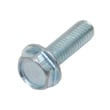
If you’re doing any cabinet or panel reassembly during service, using the correct fasteners helps prevent vibration and rattles; common hardware items for this model include screw WP90767 and keps nut WP488130.
Last updated: February 2026
Where is the reset button on an Amana AC unit?
Most Amana central air conditioner outdoor units (including model RCB30B2A) do not have a single, obvious “reset button” on the cabinet. Resetting is typically done by turning power off at the disconnect or breaker, waiting a few minutes, then restoring power so the control can restart.
How to reset an Amana central AC safely
- Set the thermostat to OFF so the system is not calling for cooling.
- Turn OFF power at the outdoor disconnect (near the condenser) and the home breaker for the AC.
- Wait 5 minutes (this lets pressures equalize and clears many control lockouts).
- Turn power ON at the breaker and disconnect.
- Set the thermostat back to COOL and lower the set temperature to call for cooling.
If you are looking for a “button” you can press
On central AC systems, the only button-like reset you may see is on certain safety switches (for example, a condensate overflow switch near the indoor coil or drain). The outdoor condensing unit itself usually relies on power-cycling and built-in control logic rather than a user reset button.
Quick checks if it still will not start
- Thermostat: confirm it has power and is set to COOL.
- Breaker/disconnect: confirm both are fully ON.
- Air filter: a severely clogged filter can contribute to icing and shutdowns.
- Low-voltage wiring: look for loose or damaged thermostat wires.
- Electrical testing: use a meter to confirm voltage where appropriate (if you are trained).
A helpful reference for safe electrical testing is our how to use a multimeter to test electrical parts video.
Why it matters
Central AC equipment can restart unexpectedly when power is restored. Using the disconnect and breaker method gives a clean reset while keeping you in control of when the unit re-energizes.
| What you are trying to do | What to use on central AC | Typical result |
|---|---|---|
| “Reset the unit” | Breaker + outdoor disconnect power cycle | Clears many temporary lockouts |
| Fix repeated shutdowns | Troubleshoot airflow, wiring, controls | Identifies the root cause |
| Replace missing hardware | Correct fasteners and ties | Restores safe mounting and routing |
If you need replacement mounting hardware while servicing the cabinet or panels, we stock items like the screw WP90767 and tie WPW10339879.
Last updated: February 2026
What AC parts are most commonly replaced?
For an Amana RCB30B2A central air conditioner (outdoor condensing unit), the most commonly replaced items are electrical start/run components, fan-related parts, and wiring/fasteners that secure and protect connections. Exact “most replaced” parts vary by symptoms, but these categories account for most service calls.
Most common replacements (what fails most often)
- Capacitor (start/run): causes humming, hard starts, or a fan that will not spin.
- Contactor/relay: causes intermittent operation or a unit that will not turn on.
- Condenser fan motor and fan blade: causes overheating, loud noise, or shutdowns.
- Electrical fuses and disconnect issues: causes a complete no-power condition.
- Thermostat/control wiring and connections: causes short cycling or no call for cooling.
- Refrigerant-related repairs (leaks, restrictions): causes poor cooling and icing (handled by a licensed HVAC tech).
What we can help with on this model page
This RCB30B2A parts list currently shows common hardware used in many repairs, especially after electrical work or panel removal.
- Replace missing or stripped fasteners with the correct OEM-style hardware
- Re-secure wiring and harnesses to reduce rubbing and vibration
- Restore safe panel fitment after service
Helpful parts shown for this model:
Quick symptom-to-part checklist
| Symptom | Most likely part category | What to check first |
|---|---|---|
| Outdoor unit hums but will not start | Capacitor, contactor | Bulged/leaking capacitor, pitted contactor contacts |
| Fan will not spin or is noisy | Fan motor, blade | Free spin, wobble, overheating |
| Unit dead, no sound | Fuses, disconnect, wiring | Breaker, disconnect, burnt wires |
| Runs but cools poorly | Refrigerant, coils, airflow | Filter/airflow indoors, coil cleanliness |
Why it matters
Replacing the right component first prevents repeat failures, protects the compressor (the most expensive component), and helps your Amana system run efficiently during peak cooling season.
Last updated: February 2026
Why is my Amana AC unit not kicking on?
If your Amana RCB30B2A central air conditioner is not kicking on, the most common causes are a thermostat or power issue, a tripped disconnect/breaker, or a failed outdoor-unit start component (like a capacitor or contactor). Start with safe power checks, then move to control and wiring checks.
Quick checks to do first (no tools)
- Confirm the thermostat is set to Cool and the setpoint is at least 3 to 5°F below room temperature.
- Replace the thermostat batteries (if your thermostat uses them).
- Check the indoor air handler or furnace switch is ON.
- Check the outdoor disconnect is fully inserted and the panel is closed.
- Reset the HVAC breakers once (OFF, then ON).
- Wait 5 minutes after changing thermostat settings; many systems have a built-in delay.
What to check next (basic electrical troubleshooting)
Turn off power at the breaker and disconnect before opening any panels.
- Low-voltage control wiring: Look for loose, corroded, or damaged thermostat wires at the air handler and at the outdoor unit. Cable management matters; a broken or chafed control wire can stop the contactor from pulling in. Use a proper cable tie such as the tie WPW10339879 to secure wiring away from sharp edges and moving parts.
- Blown fuse symptoms: If the indoor unit has power but the outdoor unit is dead, check for a blown fuse in the disconnect or control circuit; our guide how to tell if a fuse is blown helps you confirm it.
- Contactor/capacitor: If you hear a hum or brief attempt to start, a weak run capacitor or failing contactor is a common cause. These parts are model-specific; match by model and wiring layout.
Symptoms and likely causes
| What you notice | Most likely cause | What to do |
|---|---|---|
| Nothing runs outside | No power, blown fuse, open safety, bad thermostat signal | Verify disconnect/breaker, check fuses, inspect low-voltage wiring |
| Fan runs but no cooling | Compressor not starting, weak capacitor, contactor issue | Have start components tested; check for compressor start attempt |
| Starts then stops quickly | Overload, airflow issue, electrical problem | Check indoor filter/airflow; inspect wiring and connections |
Why it matters
A no-start condition can be as simple as a thermostat setting, but repeated start attempts can overheat electrical components and damage wiring. A quick, methodical check helps prevent bigger failures.
Last updated: February 2026