Error Codes


What are the parts in a fridge?
A refrigerator like the Crosley RVRF3361SS1 uses a sealed cooling system (compressor, coils, refrigerant metering device) plus airflow, sensors, and door sealing parts to move heat out of the cabinet and keep temperatures stable in both the fresh food and freezer sections.
Main refrigerator parts and what they do
- Compressor: pumps refrigerant through the sealed system to start the cooling cycle.
- Condenser (coils) and condenser fan: releases heat to the room; the fan moves air across the coils.
- Evaporator (coil) and evaporator fan: absorbs heat inside the freezer; the fan circulates cold air.
- Expansion device (capillary tube/valve): meters refrigerant into the evaporator so it can cool properly.
- Temperature sensors (thermistors): tell the control board when to run the compressor and fans.
- Defrost system: prevents frost buildup on the evaporator (heater plus controls/sensors).
- Door gaskets and hinges: keep warm, humid air out and help doors close and seal correctly.
Parts you can actually replace on the RVRF3361SS1
These are common service parts that directly affect cooling, airflow, and sealing:
- Refrigerator compressor 241706201
- Refrigerator condenser fan motor 242018301
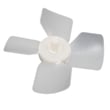
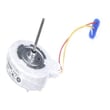
- Frigidaire refrigerator evaporator fan motor 809069206
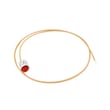
- Refrigerator temperature sensor 5303918775
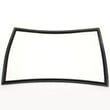
- Frigidaire refrigerator freezer door gasket (gray) 5304537408
Quick symptom-to-part guide
| Symptom | Common parts involved | What to check first |
|---|---|---|
| Warm fridge, freezer OK | Damper/air tower, evaporator fan, sensors | Airflow from vents, fan noise |
| Warm freezer and fridge | Compressor, condenser fan, dirty coils | Coil cleanliness, fan running |
| Frost buildup, weak airflow | Defrost heater, sensors | Frost on back freezer panel |
| Water/ice not working | Water inlet valve, filter, lines | House water supply, kinks |
Why it matters
Knowing the major parts helps you troubleshoot faster. For example, a failed evaporator fan can make the refrigerator section warm even when the freezer still feels cold, while a bad door gasket can cause constant running and temperature swings.
Helpful DIY guidance
For water and filtration related components, we use this step-by-step guide: how to replace the water filter in a Crosley refrigerator.
Last updated: February 2026
Where is the model number on a Crosley refrigerator?
On a Crosley refrigerator like model RVRF3361SS1, the model number is typically printed on the rating (serial) plate inside the fresh food (refrigerator) compartment. Open the refrigerator door and look along the interior side walls near the crisper area or along the upper interior frame.
Where to look first (most common spots)
- Inside the refrigerator compartment on a side wall
- On the ceiling of the fresh food compartment near the light housing
- Along the door frame (hinge side) when the door is open
- Near the crisper drawers (lower side wall area)
- Behind a produce drawer front lip (visible when the drawer is removed)
What you should write down
The rating plate usually includes more than just the model number. Record these items:
- Model number (example format: RVRF3361SS1)
- Serial number (used to identify production run)
- Electrical ratings (volts/amps) for service reference
- Refrigerant type (useful for sealed system service)
Quick ID tips (avoid common mix-ups)
| What you see | What it means | Why it matters |
|---|---|---|
| Model number | Identifies the exact design | Ensures correct parts fit |
| Serial number | Identifies the specific unit | Helps match revisions |
| Part number | Identifies a replacement part | Used when ordering parts |
Why it matters
We use the model number to match the correct Crosley refrigerator parts list for your exact configuration (doors, shelves, ice maker, and water system). That prevents ordering the wrong items, especially for fit-sensitive parts like a door gasket or water inlet valve.
If you are troubleshooting water or ice issues after locating your model number, our DIY guide how to diagnose a faulty refrigerator water inlet valve pairs well with checking the frigidaire refrigerator water inlet valve assembly 242252702.
Last updated: February 2026
Why is my Crosley fridge not cooling?
When a Crosley RVRF3361SS1 bottom-mount refrigerator is not cooling, the problem is usually a loss of airflow (evaporator fan issue), a defrost failure causing an ice-clogged evaporator, or a sealed-system/compressor problem. Start with airflow and frost checks because they are the fastest to confirm.
Quick checks we recommend first
- Confirm the refrigerator is getting power and the interior lights work.
- Set controls to a normal target: 37°F fresh food and 0°F freezer.
- Make sure vents are not blocked by food packages.
- Listen for the evaporator fan (freezer area) and condenser fan (near compressor) running.
- Check door sealing; a leaking gasket can cause warm temps and heavy frost.
What to look for (symptoms and likely causes)
| What you notice | Most likely cause | What to do next |
|---|---|---|
| Freezer cold, fridge warm | Airflow problem or damper issue | Check evaporator fan and air tower/damper |
| Heavy frost on freezer back wall | Defrost system problem | Defrost and inspect heater/defrost circuit |
| No fan noise, warm temps | Failed fan motor or obstruction | Inspect fan blade and motor |
| Clicking/humming from back, not cooling | Compressor start or sealed-system issue | Stop and schedule service if needed |
Parts that commonly fix “not cooling” on this model
If your checks point to a specific failure, these model-matched parts are common solutions:
- Evaporator fan not running or noisy: frigidaire refrigerator evaporator fan motor 809069206 and/or refrigerator evaporator fan blade 5308000010
- Heavy frost and poor airflow: refrigerator defrost heater 5303918410
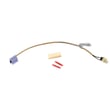
- Temperatures swing or read wrong: refrigerator temperature sensor 5303918775 or refrigerator freezer temperature sensor kit 5303918776
- Warm air leaks, frost buildup: frigidaire refrigerator freezer door gasket (gray) 5304537408
Why it matters
A refrigerator cools by moving cold air from the evaporator through the compartments. If the fan cannot move air, or frost blocks the evaporator, the unit can run constantly but still stay warm. Fixing airflow and defrost issues early also helps prevent compressor strain.
Helpful DIY guidance
For step-by-step troubleshooting of airflow issues, use our guide: how to fix your evaporator cooling fan.
Last updated: February 2026