Owner’s manual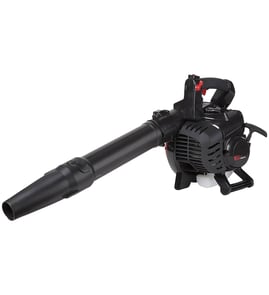








How to find Craftsman leaf blower model number?
Your Craftsman gas leaf blower’s model number is printed on the unit’s model tag; for model 358797341, you’ll typically find that tag on the housing near the rear handle area or on the bottom side of the blower. Match every digit exactly before ordering parts.
Check these common model-tag locations first:
- Rear of the main housing (near the handle)
- Bottom of the unit (underside of the housing)
- Near the vacuum inlet door area (blower/vac models)
- Around the starter housing or engine shroud
- On a decal or metal plate with “Model No.” printed
In the documentation for this blower/vac, the model is shown as 358.797341 (with a dot). When searching parts, use the digits as 358797341.
| You might see it as | Use it for parts lookup as | Why it differs |
|---|---|---|
| 358.797341 | 358797341 | Manuals often include punctuation |
| Model No. 358797341 | 358797341 | Same number, different formatting |
- Write down the full model number and any extra letters or suffixes on the tag
- Take a clear photo of the tag before you start a repair
- Use the model number to confirm fit before buying items like fuel line or a fuel filter
- If the tag is dirty, wipe it gently so the characters are readable
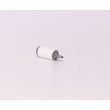
Craftsman model numbers identify the exact engine and blower/vac configuration. That affects which maintenance and repair parts fit, including fuel system items like the ayp lawn & garden equipment fuel line, large 530069216 and the Craftsman lawn & garden equipment engine fuel filter 530095646.
For diagrams and model-tag references, use the 358797341 owner's manual.
Last updated: February 2026
Are gas leaf blowers being phased out?
Yes. Gas leaf blowers like the Craftsman 358797341 are being phased out in many areas through local noise rules, emissions limits, and sale or use restrictions; at the same time, many places still allow them with operating-hour and safety requirements. Check your local ordinance and follow the guidance in the 358797341 owner's manual.
Rules vary by city and state, but most fall into a few common categories:
- Noise limits (decibel caps) and restricted hours for outdoor power equipment
- Seasonal restrictions (for example, no use during certain months)
- Use bans in dense neighborhoods or near schools and hospitals
- Sales restrictions on new gas-powered handheld equipment (existing units may still be legal to use)
- Commercial-use rules that differ from homeowner rules
Your manual includes practical noise-reduction guidance that aligns with many local rules.
- Run at the lowest throttle that still gets the job done
- Use rakes and brooms to loosen debris first, then blow
- Slightly dampen dusty surfaces to reduce airborne dust
- Keep the nozzle close to the ground using the full nozzle extension
- Avoid early morning and late night use; many ordinances mirror “reasonable hours” guidance
| Rule type | What you may see | What to do |
|---|---|---|
| Hours of operation | Allowed only during daytime windows | Plan yard work inside permitted hours |
| Noise limit | Max dB at property line | Reduce throttle, increase distance from neighbors |
| Equipment type | Gas restricted, electric allowed | Consider an electric blower for sensitive areas |
Phasing out gas blowers is usually driven by noise and air-quality concerns. Even where gas blowers remain legal, using best practices (lower throttle, reasonable hours, good debris control) helps you stay compliant and reduces wear on the blower.
Last updated: February 2026
What is the gas oil mixture for a CRAFTSMAN leaf blower?
For the Craftsman 358797341 gas leaf blower, we mix fuel at a 40:1 ratio (gasoline to 2-cycle oil). That equals 3.2 oz of 2-cycle air-cooled engine oil per 1 gallon of unleaded gasoline; this is the correct mix to protect the 2-cycle engine from damage.
Use this quick reference when measuring oil for common fuel amounts:
| Gasoline amount | 40:1 oil amount |
|---|---|
| 1 gallon | 3.2 oz |
| 1/2 gallon | 1.6 oz |
| 1 quart | 0.8 oz |
Mix in an approved fuel container (not in the blower tank) so the oil blends evenly.
- Use fresh, unleaded gasoline
- Use 2-cycle air-cooled engine oil (Craftsman oil is recommended)
- Add the measured oil first, then add gasoline
- Cap the container and shake briefly to fully mix
- Fill the tank; then re-cap the fuel container tightly
These oils are specifically called out as harmful for this type of 2-cycle engine:
- Automotive (4-cycle) motor oil
- Marine or “boat” 2-cycle oil
- Old fuel that has been sitting for weeks or months
Alcohol-blended fuels can create storage issues; good storage habits reduce hard-start and fuel-system problems.
- If storing 30 days or longer, drain the tank and run the engine until it stops
- Use fresh fuel at the start of the next season
- Fuel stabilizer helps reduce gum deposits during storage
A 2-cycle engine relies on the oil mixed into the gasoline for lubrication. Running too little oil can score the piston and cylinder; too much oil can foul the spark plug and reduce performance.
For additional fuel and safety details specific to this model, follow the 358797341 owner's manual.
Last updated: February 2026
What is the life expectancy of a gas leaf blower?
A gas leaf blower like the Craftsman 358797341 typically lasts about 7 to 10 years with normal homeowner use and routine maintenance (fresh fuel, clean air filter, and periodic tune-ups). Heavy use, dirty fuel, and neglected maintenance shorten life quickly.
- Fuel quality and storage: old fuel and ethanol-related varnish are the #1 cause of hard starting and carburetor issues.
- Airflow maintenance: a clogged air filter or blocked cooling fins overheats a 2-cycle engine.
- Fuel system condition: cracked or soft fuel lines cause air leaks and lean running.
- Operating habits: running at full throttle with restricted airflow (clogs) increases wear.
- Storage practices: long off-season storage without prep accelerates fuel system problems.
Use the schedule and specs in the 358797341 owner's manual.
- Mix and use the correct 2-cycle fuel/oil ratio for this model.
- Replace brittle fuel lines; common wear items include the ayp lawn & garden equipment fuel line, large 530069216.
- Replace the in-tank fuel filter when fuel flow seems weak.
- Keep the air filter clean; replace it when it will not clean up.
- Inspect the spark plug and set/replace as needed.
| Use pattern | Typical life | What usually fails first |
|---|---|---|
| Light seasonal homeowner use | 8 to 12 years | Fuel lines, carburetor gumming |
| Average homeowner use | 7 to 10 years | Ignition tune parts, fuel system |
| Heavy or frequent use | 3 to 7 years | Engine wear, crank seals, bearings |
A well-maintained blower/vac can deliver strong airflow for years; once fuel delivery gets inconsistent, the engine often runs lean, overheats, and wear accelerates. Preventive fuel-system upkeep is usually cheaper than major engine repairs.
Last updated: February 2026
Who makes Craftsman leaf blowers?
Craftsman is a brand owned by Stanley Black & Decker; Craftsman leaf blowers (including model 358797341) are manufactured for the Craftsman brand by various suppliers depending on the specific model and production run. For model-specific identification details and service information, we recommend checking the 358797341 owner's manual.
For the Craftsman 358797341 gas blower/vac, the manual identifies it as a 25cc, 2-cycle unit and provides the official model designation used for parts and support. Use that model number when ordering parts or looking up diagrams.
- Use the exact model number 358797341 when searching parts.
- Match parts by function (fuel system, starter, engine internals) and by diagram location.
- Follow the manual’s maintenance guidance to keep performance consistent.
- Use recommended replacement parts to avoid fit and performance issues.
Craftsman products are often produced under contract manufacturing. That means the brand owner sets specifications, and a manufacturing partner builds the unit.
| What you see | What it usually means | What to do |
|---|---|---|
| Craftsman branding on housing | Brand identity | Use model number for parts |
| Model number on label/manual | Best identifier for sourcing parts | Order by 358797341 |
| Engine and carburetor parts wear | Normal 2-cycle maintenance items | Inspect fuel lines, filter, starter |
Knowing the brand owner is helpful, but the model number is what ensures correct parts fit. For example, fuel delivery issues on a 2-cycle blower are often solved by replacing wear items like the ayp lawn & garden equipment fuel line, large 530069216 or the Craftsman lawn & garden equipment engine fuel filter 530095646 when they are cracked, soft, or restricted.
Last updated: February 2026
Why does my Craftsman leaf blower keep dying?
On the Craftsman 358797341 gas leaf blower, repeated stalling is usually caused by a fuel delivery or air-flow problem, most often old fuel clogging the fuel filter or fuel lines. Start with fresh fuel, then inspect the filter, lines, and air filter using the steps in the 358797341 owner's manual.
- Drain old fuel and refill with fresh, properly mixed 2-cycle fuel.
- Check the fuel tank venting; a plugged vent can starve the carburetor.
- Clean the air filter; a restricted filter can make the engine run rich and stall.
- Inspect fuel lines for cracks, soft spots, or loose connections.
- Replace the in-tank fuel filter if fuel flow looks weak.
- Confirm the throttle lever moves smoothly to RUN and to STOP.
If the blower runs briefly and then quits, we focus on fuel flow from the tank to the carburetor.
| Symptom | Most likely cause | What to do |
|---|---|---|
| Runs 5 to 30 seconds, then dies | Restricted fuel filter | Replace the engine fuel filter 530095646 |
| Dies when you squeeze the throttle | Cracked or leaking fuel line | Replace the correct size line: fuel line, small 530069247 or fuel line, large 530069216 |
| Starts again after sitting | Tank not venting or fuel vapor issues | Loosen and retighten cap; inspect venting and lines |
This model’s manual calls out regular maintenance items like cleaning the air filter and replacing the fuel filter, and it also warns that alcohol-blended fuel can attract moisture and form acids during storage. Keeping fuel fresh and the fuel path clear prevents stalling and protects the carburetor and fuel lines.
- Move the throttle to STOP before servicing.
- Disconnect the spark plug before maintenance (except carburetor adjustments).
- Let the muffler cool completely before touching nearby parts.
Last updated: February 2026
What brand of gas leaf blower is best?
The best gas leaf blower brand is the one that matches your workload and has strong parts support. If you already own a Craftsman model like 358797341, it is a practical homeowner choice because you can maintain it with common fuel-system and wear parts and follow the factory operating guidance.
Focus on performance and ownership factors that affect real-world results more than the logo.
- Air performance: Compare CFM (air volume) and MPH (air speed) for similar blower types
- Blower type: Handheld for quick jobs; backpack for long sessions and heavy leaf loads
- Starting and drivability: Consistent starting, stable idle, smooth throttle response
- Service and parts availability: Filters, fuel lines, starter parts, and fasteners should be easy to source
- Noise and comfort: Weight, vibration, and local noise-hour expectations matter for frequent use
| If your priority is | Choose this style | Brand traits that matter most |
|---|---|---|
| Long run time and big yards | Backpack | Dealer support, harness comfort, high CFM |
| Typical home cleanup | Handheld | Easy starting, manageable weight, good parts availability |
| Occasional light use | Handheld | Simple maintenance, affordable tune-up parts |
A “best brand” decision is really about fit. When the blower is sized correctly for your yard and you can keep the fuel system and starter in good shape, you get easier starting, steadier power, and fewer downtime repairs.
Use these proven maintenance habits for any 2-cycle gas blower.
- Use fresh fuel mixed at the correct 2-cycle ratio listed in the 358797341 owner's manual
- Keep the air path clear; clogged tubes and bags reduce airflow fast
- Inspect fuel lines for cracking or softness; replace at the first sign of leaks
- Replace the in-tank fuel filter on schedule to prevent hard starting and surging
- Store with proper fuel handling steps to reduce carburetor varnish
| Symptom | Often involved | Example part for this model |
|---|---|---|
| Hard starting, fuel smell, leaks | Fuel line | Ayp lawn & garden equipment fuel line, large 530069216 |
| Starts then stalls, won’t stay running | Fuel filter | Craftsman lawn & garden equipment engine fuel filter 530095646 |
Last updated: February 2026