

What is the average lifespan of a Whirlpool washing machine?
A Whirlpool washing machine typically lasts 10 to 14 years with normal household use and basic maintenance. For your Whirlpool WTW6120HW3, keeping the tub clean, avoiding overloads, and fixing small issues early (like draining or spinning problems) helps you reach the high end of that range.
Most washer life comes down to load habits, water quality, and how quickly wear items are replaced.
- Overloading strains the drive system and suspension
- Too much detergent leaves residue that causes odor and poor rinsing
- Unbalanced loads increase vibration and wear
- Hard water can contribute to buildup and valve issues
- Ignoring slow drains can overwork the drain pump
These steps are simple and make the biggest difference over time:
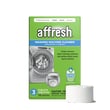
- Run a monthly cleaning cycle (or hot wash with no laundry) to reduce residue
- Use HE detergent and measure it carefully
- Leave the lid open between loads so moisture can dry out
- Check and clean the drain path if you notice slow draining
- Level the washer to reduce shaking and out-of-balance spinning
Replacing normal wear parts is often what keeps a washer running for years longer.
| Type of issue | Common symptom | Example part for WTW6120HW3 |
|---|---|---|
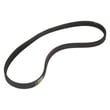
| Wear item | Squealing, slipping, weak spin | Washer drive belt WPW10006384 |
| Wear item | Won’t lock, won’t start, lid error | Lid lock-sol W11700916 |
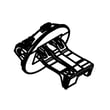
| Wear item | Won’t drain, water left in tub | Pump assembly, drain W11399437 |
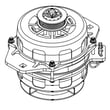
| Major repair | No agitation/spin with electrical checks OK | Drive motor W11026785 |
A washer that is maintained and repaired early usually costs less to own long-term; it also cleans better, drains faster, and avoids secondary damage (like water left in the tub stressing the drive and control system).
Last updated: February 2026
What is the most common problem with Whirlpool washers?
The most common Whirlpool washer problems are draining or spinning issues (clothes stay wet), water leaks, and the washer not starting. On the Whirlpool WTW6120HW3, these symptoms often trace back to a clogged drain path, a lid lock/strike problem, or a worn drive system component.
- Won’t start or stops mid-cycle: lid not locking, lid strike not engaging, control not sensing a closed lid
- Won’t drain or leaves water in tub: drain pump issue, kinked drain hose, blockage in pump inlet
- Won’t spin or spins weakly: worn belt, drive pulley issue, shift actuator not shifting properly
- Leaking: loose hose connections, damaged drain hose, pump leak
- Loud noise in spin: belt slipping, pulley wear, load out of balance
If your symptoms match, these model-specific parts are common solutions:
- Lid won’t lock: lid lock-sol W11700916
- Lid won’t “click” shut: washer lid strike W11457841
- No drain or intermittent drain: pump assembly, drain W11399437
- No/weak spin or squeal: washer drive belt WPW10006384
- Grinding or belt-related noise: Whirlpool washer drive pulley W10721967
- Unplug the washer for 2 minutes, then restore power and try a Drain/Spin cycle.
- Confirm the load is balanced (single heavy items can prevent a full-speed spin).
- Check the drain hose for kinks and make sure it is not shoved too far down the standpipe.
- Look for standing water; if present, listen for the drain pump running during drain.
Drain, spin, and start problems are the most common because they stop the cycle from completing. Catching a failing lid lock, drain pump, or belt early helps prevent repeat shutdowns, wet loads, and extra wear on the drive motor.
| Most common issue | What you’ll notice | Often involved parts |
|---|---|---|
| Drain/spin problem | Wet clothes, water left in tub | Drain pump, belt, actuator |
| Won’t start | No response, lid error behavior | Lid lock, lid strike |
| Leak | Water under washer | Drain hose, pump |
For model-specific troubleshooting steps by symptom and code patterns, use our Whirlpool belt drive top load washer error codes guide.
Last updated: February 2026
What's wrong with a Whirlpool washer when it won't spin?
When our Whirlpool WTW6120HW3 washer will not spin, the cause is usually a load or drain issue (unbalanced load, oversudsing, or a restricted drain hose). If those basics check out, the most common repair causes are a failed lid lock, drain pump problem, shift actuator issue, or a worn drive belt.
- Redistribute the load; bulky items can throw the basket off balance and stop high-speed spin.
- Run a Drain/Spin cycle with the tub empty to see if it will drain and ramp up.
- Check for oversudsing; use less HE detergent and avoid “extra suds” formulas.
- Inspect the drain hose for kinks, crushing, or a clogged standpipe.
- Make sure the lid closes fully and the strike is not loose or broken.
| Symptom | Most likely area | What it affects |
|---|---|---|
| Won’t spin and lid won’t lock | Lid lock system | Washer will stop for safety |
| Won’t spin and won’t drain | Drain system | Washer will not spin with water in tub |
| Drains but won’t spin or shifts oddly | Drive/shift system | Basket never reaches spin speed |
| Motor hums or struggles | Motor start components | Motor cannot start under load |
We match the symptom to the system below and test from easiest access to hardest:
- Lid lock: lid lock-sol W11700916
- Lid strike (if the lid lock will not “see” the lid): washer lid strike W11457841
- Drain pump (if it will not drain fully): pump assembly, drain W11399437
- Shift actuator (if it will not shift into spin): actuator, shift W11481722
- Belt drive (if it slips or is damaged): washer drive belt WPW10006384
A washer that cannot drain or confirm the lid is locked will intentionally prevent spinning to avoid leaks and injury. Fixing the root cause also prevents repeated cycle stops, wet clothes, and extra wear on the drive motor.
Last updated: February 2026
How to clean the drain filter on a Whirlpool top load washing machine?
On a Whirlpool top-load washer like model WTW6120HW3, there usually is not a front-access “drain filter” to unscrew like many front-load washers. The most effective routine cleaning is clearing the inlet screen filters at the water valve and checking the drain path for lint or debris; use our parts list if you find a damaged hose or pump.
- Water inlet screen filters: small mesh screens inside the hot and cold fill ports where the hoses connect.
- Drain path: the drain hose and the drain pump area (debris can restrict draining even without a removable filter).
- Tub and basket: residue buildup can mimic drainage issues by causing poor rinsing and odors.
- Turn off both water supply valves.
- Unplug the washer.
- Remove the hot and cold fill hoses from the back of the washer.
- Use a soft brush to gently clean the mesh screens in the inlet ports.
- Reconnect hoses, turn water back on, and check for leaks.
- Weak fill, long fill times, or “no fill” symptoms often point to clogged inlet screens.
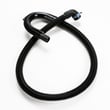
- If hoses are cracked, swollen, or leaking, replace the drain hose with hose asm - d W11244231 when applicable.
Use this checklist before replacing parts:
- Make sure the drain hose is not kinked, crushed, or shoved too far down the standpipe.
- Confirm the standpipe is not clogged and has an air gap.
- Listen for the drain pump running during drain; a loud hum with no draining suggests a blockage.
- If the pump runs but water barely moves, inspect for lint, coins, or small items in the drain path.
- If the pump is noisy, seized, or leaking, replacement is typically the fix.
| Symptom | Most likely area | Common part to inspect |
|---|---|---|
| Slow or no drain | Drain restriction | Hose asm - d W11244231 |
| Hums but will not pump | Pump jam or failure | Pump assembly, drain W11399437 |
| Stops mid-cycle, lid won’t unlock | Lid lock issue | Lid lock-sol W11700916 |
Keeping the inlet screens and drain path clear helps prevent long cycle times, poor rinsing, standing water, and drain pump strain. That reduces wear on key components like the drain pump and drive system.
Related help: troubleshooting a top load washer that wont drain or spin video
Last updated: February 2026