Owner’s manual



How to hard reset LG sensor dry dryer?
To hard reset your LG DLE3733U sensor dry dryer, we reset power to the control by turning the dryer off, cutting power at the breaker (or unplugging), then restoring power and starting a new cycle. For cycle and control details, use the DLE3733U owner's manual.
Hard reset steps (power reset)
- Press Power to turn the dryer off.
- Unplug the dryer or switch the dryer circuit breaker off.
- Wait 1 minute.
- Restore power (plug back in or switch breaker on).
- Select a cycle and press Start/Pause.
If the dryer still will not start after the reset
These checks fix most “dead control” or “won’t start” complaints on sensor dry dryers:
- Confirm the door is fully closed and the latch is engaging.
- Press Start/Pause firmly; the manual notes the dryer won’t run with the door open.
- If the cycle was interrupted for more than 10 minutes, reselect the cycle before restarting.
- Clean the lint screen and make sure airflow is not restricted.
- If the door will not stay closed, inspect the door catch; replace the dryer door catch 4027EL1001A if it is worn or broken.
What a reset does (and does not) change
| Item | What happens after a hard reset | What does not change |
|---|---|---|
| Control board state | Clears a temporary glitch and reboots the control | Does not repair a failed control board |
| Cycle selection | You start a new cycle selection | Does not “unlock” sensor dry limitations |
| Sensor dry behavior | Returns to normal sensing operation | Does not fix venting or heating problems |
Why it matters
A hard reset is the fastest way to clear a temporary control lockup after a power flicker or an interrupted cycle. If the dryer still will not run, the issue is usually a door-latch problem, a cycle restart condition, or an airflow or heating fault that a reset cannot correct.
Last updated: February 2026
What is the average lifespan of an LG dryer?
Most LG dryers, including the LG DLE3733U, typically last 10 to 15 years with normal use and basic upkeep. Consistent airflow maintenance (lint screen and venting) and addressing heat or noise symptoms early are the biggest factors in reaching the high end of that range.
What affects dryer lifespan the most
- Airflow and venting: A restricted exhaust makes the dryer run hotter and longer.
- Lint control: Clean the lint screen area and keep lint from building up inside the cabinet.
- Heat regulation parts: Thermostats and sensors help prevent overheating and long dry times.
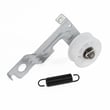
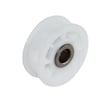
- Drum drive wear: Belts and idler pulleys wear over time and can start squealing or slipping.
- Load habits: Overloading strains the motor, belt, and drum support components.
Maintenance checklist we recommend
Use your owner's manual for model-specific cleaning and operating guidance.
- Clean the lint screen before every load
- Check the outside vent hood for strong airflow while running
- Inspect and clean the exhaust duct periodically (especially if dry times increase)
- Avoid overloading; dry similar fabrics together
- If you notice squealing or thumping, inspect the belt and idler system
Common wear items (and what they usually cause)
| Symptom | Common cause | Example part for DLE3733U |
|---|---|---|
| Squealing, chirping, or drum not turning | Worn belt or idler pulley | Dryer drum belt 4400EL2001F |
| Long dry times, overheating, cycling oddly | Airflow restriction or temperature sensing issue | Dryer thermistor AGM30045804 |
| Burning smell, shuts off mid-cycle | Overheating protection opening | Kenmore elite dryer high-limit thermostat 6931EL3001E |
Why it matters
A dryer that runs with poor airflow or failing drum-drive parts often takes longer to dry, uses more energy, and puts extra stress on the motor and heating system. Keeping the exhaust path clear and replacing worn parts early helps your LG DLE3733U reach its normal service life.
Last updated: February 2026
Why does an LG sensor dry dryer take so long to dry?
On the LG DLE3733U, Sensor Dry can run longer when airflow is restricted, the load is too large or mixed (heavy with light items), or the moisture sensing system is getting inaccurate readings. The dryer automatically adjusts heat level and time based on detected dampness, so longer cycles are often normal when conditions are not ideal (see the owner's manual).
Quick checks that fix most long dry times
- Clean the lint screen before every load.
- Check the exhaust duct and outside vent hood for lint buildup, kinks, or crushed sections.
- Dry similar fabrics together; separate heavy items (towels, denim) from lightweight items.
- Reduce load size; judge by drum space, not weight.
- Use the correct Sensor Dry cycle (Cotton/Towels, Normal, Perm. Press, Delicates) and adjust Dry level if needed.
Sensor Dry behavior that looks like a problem (but is normal)
Your dryer’s Sensor Dry cycles are designed to change the remaining time as the sensor detects more or less moisture. You may see the time jump up or down during the cycle; that is expected operation.
When it points to a part problem
If airflow is clear and loads are sized correctly but drying still takes too long, a heating or temperature-sensing issue is common.
| Symptom | Most likely area | Example part on this model page |
|---|---|---|
| Runs a long time and clothes are still damp | Weak/no heat or heat cycling incorrectly | Dryer blower thermostat 6931EL3002M |
| Heat seems inconsistent; cycle time varies widely | Temperature sensing feedback issue | Dryer thermistor AGM30045804 |
| Long dry times plus poor airflow sound/feel | Blower system not moving air well | Dryer blower wheel 5835EL1002A |
Why it matters
Long dry times usually mean poor venting or incorrect loading, which wastes energy and can overheat components like thermostats. Getting airflow and load size right improves drying performance and helps protect the heater, motor, and drum system.
For more LG-specific code and performance clues, use our LG dryer error codes reference.
Last updated: February 2026
What is the most common problem with LG dryers?
The most common issue we see with LG dryers like model DLE3733U is poor drying performance caused by restricted airflow (lint buildup in the filter area, exhaust duct, or vent). Airflow problems can also lead to overheating symptoms and shutdowns; the owner's manual troubleshooting section covers the first checks.
Most common symptoms and what they usually point to
- Clothes take too long to dry: vent restriction, crushed/long duct run, lint buildup
- Dryer runs but no heat: power supply issue (electric models often need 2 breakers), heating circuit problem
- Dryer stops mid-cycle: overheating from poor airflow, thermostat sensing high temps
- Loud squealing or thumping: worn belt, idler pulley, or drum support components
- Burning smell: lint accumulation near the heater or blower housing, restricted exhaust
Quick checks we recommend first (fast, no parts)
- Clean the lint screen and confirm the screen area is not blocked.
- Verify strong airflow at the outside vent hood while the dryer is running.
- Inspect the vent path for kinks, crushing, or heavy lint buildup.
- For electric dryers, check that both breakers/fuses are on (a dryer can tumble with only one leg of power).
- Avoid overloading; heavy loads reduce airflow through the drum.
Common parts involved when airflow is good but problems continue
If your venting is clear and drying or noise issues persist, these are frequent suspects on DLE3733U:
| Symptom | Likely area | Example part for this model |
|---|---|---|
| Squealing, drum not turning well | Belt and idler system | Dryer drum belt 4400EL2001F, dryer idler pulley 4560EL3001A |
| Overheating or temp-related cycling | Temperature sensing/limit controls | Dryer thermistor AGM30045804, dryer blower thermostat 6931EL3002M |
| Rumbling, vibration | Drum support/blower | Dryer blower wheel 5835EL1002A |
Why it matters
Restricted airflow is the root cause behind many dryer complaints because it slows drying, raises internal temperatures, and can trigger safety controls. Fixing venting and lint issues first often restores normal cycle times and helps protect heating and thermostat components.
Last updated: February 2026