
How do I tell what garage door model I have?
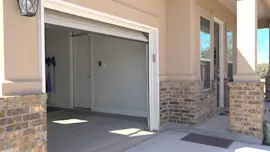
To identify what garage door model you have (separate from your Craftsman garage door opener model 139664000), look for the manufacturer label on the door itself first, then confirm by checking the opener head label and any paperwork from the original installation.
Where to look first (fastest checks)
- Inside face of the door sections/panels: look for a sticker or metal tag with brand, model, and serial.
- Bottom corner of the door: some doors place the label near the lower edge.
- Vertical tracks or end stiles: labels are sometimes on the track or the door’s side frame.
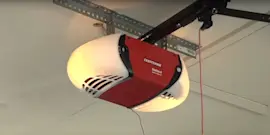
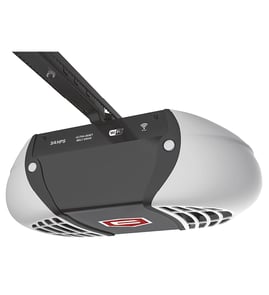
- Opener motor head (power unit): this identifies the opener model, not the door model.
- Original documents: invoice, warranty paperwork, or installation notes often list the door model.
Garage door model vs. garage door opener model
| Item | What it is | Where the model number is usually found | Why it matters |
|---|---|---|---|
| Garage door | The door sections, hinges, rollers, springs, tracks | Label on door sections, track, or side frame | Correct panels, hinges, rollers, weather seal |
| Garage door opener | Motor unit, rail, trolley, sensors, remotes | Label on opener head housing | Correct remotes, safety sensors, gears, logic board |
If the label is missing: how to narrow it down
- Count door sections (common: 4 to 5 sections)
- Measure door width and height (common: 8x7, 9x7, 16x7 feet)
- Note construction (steel, wood, insulated, window layout)
- Take photos of the panel design and hardware (hinges, rollers, brackets)
- Record any numbers stamped on end hinges or brackets
Why it matters
The door model helps match door hardware and fitment (hinges, rollers, bottom seal), while the opener model (like Craftsman 139664000) is what you use to match opener parts and troubleshooting steps.
For opener-related identification and troubleshooting, use our Craftsman error codes guide to interpret diagnostic flashes and common failure patterns.
Last updated: February 2026
Can you get a universal remote for an old garage door opener?
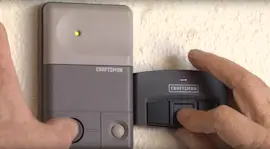
Yes. For a Craftsman garage door opener model 139664000, you can typically use a universal garage door opener remote if the remote supports your opener’s radio frequency and “learn” method. If it does not, adding a universal external receiver kit is the standard way to make an older opener work with new remotes.
What to check first (so you buy the right remote)
- Frequency and coding type: Older openers may use fixed-code DIP switches; newer ones use rolling-code “learn” programming.
- Learn button color/logic board style: This often determines compatibility more than the brand name on the cover.
- Remote capacity: Some universal remotes can store multiple doors, others only one.
- Wall control works but remotes do not: That points to remote programming, receiver, or antenna issues.
- Intermittent range: Often caused by a damaged hanging antenna wire, LED bulb interference, or a weak remote battery.
Universal remote vs external receiver: which is better?
| Option | Best when | What you gain | Typical downside |
|---|---|---|---|
| Universal remote only | Your opener is supported by the remote’s compatibility list | Lowest cost, simplest setup | Not all older openers are supported |
| Universal external receiver kit + remotes | Your opener is too old or uses an uncommon frequency/coding | Broad compatibility, fresh remotes | More wiring and mounting work |
Quick troubleshooting before replacing anything
- Replace the remote battery and re-try programming.
- Confirm the opener’s antenna wire is intact and hanging down.
- Test the door with the wall button; if the motor runs reliably, the door and travel system are likely OK.
- If the opener lights blink or you suspect a diagnostic pattern, use Craftsman error codes to match the symptom to a fix.
Why it matters
Remote compatibility is not “one size fits all” on older garage door openers. Matching the correct frequency and coding method prevents wasted time and avoids installing parts that will never pair to the receiver.
Last updated: February 2026
Where can I buy Craftsman garage door opener parts?
You can buy replacement parts for your Craftsman garage door opener model 139664000 through our parts listings and diagrams, then order the exact components you need by matching the part description to your opener’s symptoms (remote issues, sensor problems, or drive wear).
Best way to find the right part for model 139664000
Use your model number (139664000) and identify the system that’s failing first. That keeps you from ordering the wrong component.
- Start with the symptom (won’t close, won’t open, no response, lights blinking)
- Check the safety sensors for alignment and obstructions
- Confirm the wall control works (this helps separate control issues from motor/drive issues)
- If the opener runs but the door does not move, focus on the drive system (chain/belt, gears)
- If lights blink or the unit stops and reverses, focus on sensors and force settings
Use error codes to narrow the part you need
Many Craftsman openers use diagnostic light patterns or error codes to point you to the failing circuit, sensor, or control.
A quick way to narrow the repair path is to look up the code pattern and follow the recommended checks in Craftsman error codes.
Common part categories customers replace
These are the most common garage door opener parts people shop for when troubleshooting Craftsman units:
| Symptom | Most likely area to check | Typical parts involved |
|---|---|---|
| Door won’t close, lights blink | Safety sensor circuit | Safety sensors, sensor wiring, brackets |
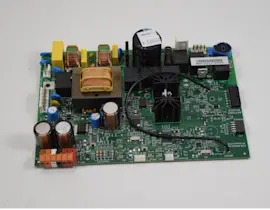
| Remote won’t work | Radio/controls | Remote, receiver logic board, wall control |
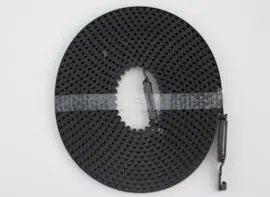
| Motor runs but door doesn’t move | Drive system | Drive gear and worm gear, sprocket, trolley |
| Door reverses or stops | Travel/force settings or door binding | Force adjustment, travel limits, door hardware |
Why it matters
Ordering by model number and symptom helps you get a compatible part the first time, especially for electronics like a logic board or wall control where look-alikes are common across Craftsman garage door opener series.
Last updated: February 2026
What is the life expectancy of a Craftsman garage door opener?
A Craftsman garage door opener typically lasts 10 to 15 years. For your Craftsman model 139664000, lifespan depends most on how many cycles you run per day, how well the garage door is balanced, and whether safety sensors and force settings are kept properly adjusted.
Typical lifespan and what changes it
Most openers fail early because the door system makes the motor work too hard, not because the opener is “worn out.”
- High daily use (multiple open/close cycles) shortens life
- Unbalanced or binding door overloads the drive system
- Worn rollers/hinges/springs increase strain and vibration
- Misaligned safety sensors cause repeated reversals and extra cycling
- Poor force or travel settings can stall the motor or slam the door
Signs your opener is near end of life
If you see these symptoms repeatedly, it usually means the drive system, logic board, or safety system needs repair or replacement.
- Door starts, then stops or reverses for no clear reason
- Motor runs but the door barely moves
- Excessive grinding, squealing, or popping noises
- Wall control or remotes work intermittently
- Opener lights flash with a repeating diagnostic pattern (check Craftsman error codes)
Quick checks that can extend opener life
Do these checks a few times per year to reduce load on the motor and drive components.
| Check | What “good” looks like | What to fix if it’s not good |
|---|---|---|
| Door balance | Door stays about halfway open when released | Door needs spring/door service before stressing the opener |
| Sensor alignment | Sensors face each other; indicator lights steady | Realign sensors; clear obstructions and dirty lenses |
| Door travel | Smooth movement by hand (with opener disconnected) | Lubricate door hardware; replace worn rollers/hinges |
| Force setting | Door closes firmly but reverses on obstruction | Adjust force and travel to prevent stalling or slamming |
Why it matters
A garage door opener is designed to guide and lift a properly working door, not to compensate for worn door hardware. Keeping the door balanced and the safety system working reduces strain, improves reliability, and helps your Craftsman 139664000 reach the full 10 to 15 year lifespan.
Last updated: February 2026
What are the common problems with Craftsman garage door openers?
Common problems on the Craftsman 139664000 garage door opener fall into three buckets: safety sensor issues, drive system wear (chain/belt, sprocket, gears), and control or remote problems. These show up as a door that reverses, won’t move, runs noisy, or has blinking diagnostic lights.
Most common symptoms and what they usually mean
- Door won’t close and lights blink: photo-eye safety sensors blocked, misaligned, or wiring loose.
- Motor hums but door doesn’t move: stripped drive gear/worm gear, broken sprocket, or a jammed trolley.
- Grinding or loud rattling: worn gear set, loose chain/belt tension, dry rail, or loose mounting hardware.
- Door starts down then reverses: sensor issue, travel limits off, or door binding.
- Remote/keypad won’t work: dead battery, opener not in “learn” mode, interference, or wall control/logic issue.
- Wall button works but remotes don’t: remote programming, lock/vacation feature, or receiver-related issue.
Quick checks we recommend first (safe, fast)
- Test the door balance: pull the emergency release and lift the door by hand. If it’s heavy or won’t stay mid-travel, the door hardware (springs/rollers) is the root cause.
- Inspect safety sensors: confirm both sensor LEDs are steady, lenses are clean, and brackets point directly at each other.
- Look for binding: check tracks for dents, rollers for wobble, and hinges for looseness.
- Listen at the opener head: grinding at the motor housing usually points to internal gear wear.
- Reprogram remotes: follow standard “learn” button steps and confirm the lock feature is off.
Common problems at a glance
| Problem area | Typical symptom | Typical fix |
|---|---|---|
| Safety sensors | Won’t close, reverses, blinking lights | Align/clean sensors, repair wiring |
| Drive system (gears/chain/belt) | Motor runs, door doesn’t move; grinding | Replace worn drive components |
| Travel/force settings | Reverses, stops short | Adjust travel limits and force |
| Controls/remotes | No response or intermittent | Replace batteries, reprogram, troubleshoot wall control |
Why it matters
A garage door opener can look like the problem when the real issue is the door (spring tension, track alignment, roller drag). Fixing the door’s mechanical resistance first prevents repeated gear damage and nuisance reversals.
For blink patterns and diagnostic guidance that matches Craftsman openers, use our Craftsman error codes reference.
Last updated: February 2026