Owner’s manual
 Error Codes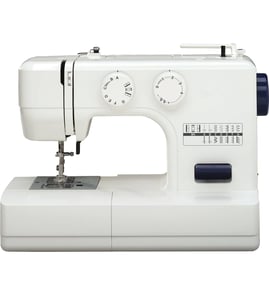

How do I know what model my sewing machine is?
Your Kenmore sewing machine’s model number is printed on the machine’s identification plate; for this unit it appears as 385.16120200 in the documentation. Check the back, side, or underside of the machine body, then match that number when looking up parts and instructions in the owner's manual.
Where to look on the machine
Model and serial information is usually on a small label or metal plate. Common locations include:
- Back of the machine near the power cord connection
- Right side of the machine body (handwheel side)
- Underside of the base (tip the machine carefully)
- Inside the front or side cover on some versions
- Near the light/bulb area on some machines
What the model number looks like (Kenmore 385 series)
Kenmore model numbers often include a 385 prefix and may be shown with or without a dot.
| You might see | It means |
|---|---|
| 385.16120200 | Same model number with a dot |
| 38516120200 | Same model number without punctuation |
| A longer label with both model and serial | Use the model for parts lookup; keep the serial for records |
Why it matters
Using the exact model number helps us match the correct parts diagrams, compatible accessories (like the foot control), and the right threading and setup steps for your specific Kenmore 38516120200 mechanical sewing machine.
Quick tips before you order parts
- Write the model number exactly as shown on the plate
- Take a clear photo of the label for reference
- Use the model number (not the serial number) to find parts
- Confirm electrical items (cord, foot control, switch) match the manual’s specifications
Last updated: February 2026
What are the disadvantages of mechanical sewing machines?
Mechanical sewing machines like the Kenmore 38516120200 are simple and durable, but the tradeoff is fewer built-in features and less automation than computerized models. They handle everyday stitching well, yet advanced functions (and convenience features) are typically more limited.
Common disadvantages you may notice
- Fewer stitch options and fewer built-in specialty stitches (decorative, stretch variations, buttonholes depending on model)
- More manual setup: you adjust stitch length, width, and tension yourself for best results
- No on-screen guidance or automatic settings; troubleshooting relies more on experience and the owner's manual
- Less “forgiving” with technique; incorrect threading or tension can show up quickly as thread breaks, skipped stitches, or puckering
- Fewer convenience features (for example, speed control options, needle up/down, or memory functions are usually not included)
What this means for real projects
Mechanical machines are a strong fit for hemming, basic garment construction, and routine repairs. For frequent specialty work (quilting features, decorative stitch libraries, or guided setup), a computerized machine usually reduces setup time.
| Task or need | Mechanical machine experience | Why it can feel like a disadvantage |
|---|---|---|
| Switching fabrics (cotton to denim to knits) | More trial-and-error | Tension and needle choice matter more |
| Fixing stitch quality issues | Manual checks first | Thread path, lint, and needle condition drive results |
| Learning curve | Skill-based | Fewer prompts and automatic corrections |
Why it matters (and how to reduce the downsides)
Most “disadvantages” show up as stitch-quality problems when setup is slightly off. Our best way to keep a mechanical Kenmore sewing smoothly is to follow the threading and adjustment steps in the owner's manual and use the troubleshooting chart when symptoms appear.
If your machine is showing specific symptoms (fabric not feeding, locking up, motor not running), our DIY guides can help you narrow it down quickly: sewing machine fabric not moving.
Last updated: February 2026
Is Kenmore sewing machine 38516120200 low shank?
Yes. The Kenmore sewing machine model 38516120200 uses a low-shank presser foot system, so low-shank feet (including a walking foot/even feed foot) fit this machine.
How to confirm low shank on your machine
We recommend checking the presser foot and foot holder setup shown in the 38516120200 owner's manual. On this model, the presser foot attaches to a foot holder with a thumb screw, which is the common low-shank configuration.
- Turn off the power switch and unplug the machine
- Raise the presser foot lifter to the highest position
- Look for the foot holder and thumb screw above the presser foot
- If your snap-on feet attach to a short foot holder (not a tall industrial-style bar), it is low shank
- If you are shopping for accessories, look for “low shank” in the fit description
What “low shank” means (quick reference)
Low shank refers to the distance from the presser foot bar to the needle plate. It affects whether specialty feet align correctly with the needle and feed dogs.
| Shank type | Typical fit description | Common result if wrong type is used |
|---|---|---|
| Low shank | Most household machines | Foot sits at the right height and stitches form normally |
| High shank | Some specialty/industrial-style machines | Foot may sit too high or not mount correctly |
Why it matters
Using the correct shank type helps the presser foot sit at the proper height so fabric feeds evenly and the needle clears the foot opening. This is especially important for accessories like a walking foot when quilting or matching stripes.
If you are troubleshooting feeding issues after changing feet, use our guide for sewing machine fabric not moving.
Last updated: February 2026
How old is the Kenmore sewing machine model 38516120200?
The Kenmore sewing machine model 38516120200 is an older, mechanical model from the long-running Kenmore 385 series. The exact build year is typically tied to the original purchase date and the specific production run; the best model-specific reference is the documentation included with the machine in the owner's manual.
How to estimate the age of model 38516120200
Use these practical checks to narrow down the timeframe:
- Check your original receipt or any warranty paperwork for the purchase date.
- Look for a serial number plate (often on the back or underside) and record the full serial.
- Compare included accessories and foot controller markings to what’s listed in the manual.
- If the machine has been serviced, review service stickers or notes for dated entries.
- Match your machine’s exact model format (385.16120200 vs 38516120200) to the manual cover page.
What the manual tells you (and what it doesn’t)
The documentation confirms the exact model identification, but it is not intended as a manufacturing date record.
| Item | What you can use it for | Where to find it |
|---|---|---|
| Model number (38516120200) | Confirms you have the correct manual and parts list | Manual cover and model plate |
| Warranty terms | Helps estimate age if you know purchase date | Warranty section in the manual |
| Electrical/foot control info | Confirms correct controller type and compatibility | Operating instructions section |
Why it matters
Knowing the approximate age helps you choose the right maintenance approach (cleaning, lubrication, belt condition checks) and sets expectations for wear items like the motor, wiring, and mechanical drive components on a mechanical sewing machine.
For troubleshooting that can come up on Kenmore 385-series machines, we use the Kenmore 385 error codes reference to quickly interpret common fault indications and next steps.
Last updated: February 2026
When did Kenmore stop making sewing machines?
Kenmore sewing machines (including model 38516120200) are discontinued; Kenmore-branded machines were made for Sears by outside manufacturers and were sold for many years, with many 385-series machines produced into the 2000s. For model-specific details like original features and service guidance, use the owner's manual.
What “Kenmore stopped making them” means
Kenmore was a brand label; the machines were typically built by contract manufacturers and sold under the Kenmore name. So “stopped making” usually means:
- Sears stopped sourcing new Kenmore-branded sewing machines
- Retail sales of new Kenmore machines eventually ended
- Parts and service shifted to repair and maintenance of existing machines
What we can confirm for Kenmore 38516120200
Your Kenmore 38516120200 is a household mechanical sewing machine. The documentation focuses on safe operation, maintenance, and warranty coverage rather than a final production date.
Warranty coverage shown in the manual
| Coverage area | Coverage length | What it applies to |
|---|---|---|
| Internal mechanical parts | 25 years | Defects in material/workmanship |
| Electrical equipment (motor, wiring, switch, speed control) | 2 years | Defects in material/workmanship |
| Parts and mechanical adjustments | 90 days | Service needed for proper operation |
Why it matters when a model is discontinued
Discontinued does not mean unusable; it mainly affects how you approach maintenance and repairs:
- You rely more on correct threading, needle selection, and cleaning routines
- Wear items (needle, bobbin area lint buildup, belts, motor brushes on some designs) become the common causes of issues
- Troubleshooting is usually symptom-based (fabric not feeding, machine locking up, motor not running)
Helpful troubleshooting resources
If your 385-series machine displays a code or behaves like it is faulting, start with Kenmore 385 error codes. For common mechanical symptoms, use the symptom guides (for example, fabric not moving or the machine locking up) to narrow down likely causes.
Last updated: February 2026