
What is the typical lifespan of a gas snowblower?
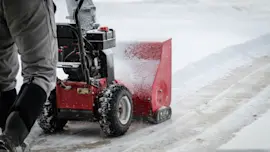
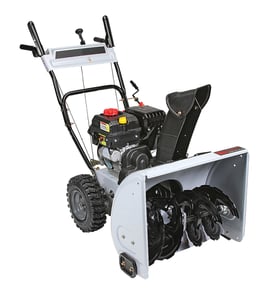
A gas snowblower like the Craftsman 13181905 typically lasts 10 to 15 years with normal residential use and consistent maintenance; with careful off-season storage and timely wear-part replacement, many owners get 15 to 20 years of service.
What affects lifespan the most
- Maintenance frequency: regular oil changes, clean fuel practices, and periodic inspections
- Fuel care: fresh gasoline, correct oil mix if applicable, and fuel stabilizer for storage
- Usage load: heavy, wet snow and long run times accelerate wear on belts, bearings, and shear components
- Storage conditions: dry storage reduces rust and corrosion on the auger housing and fasteners
- Parts wear and vibration: loose hardware and worn washers can increase vibration and shorten component life
Maintenance schedule that helps you reach the high end
| When | What to do | Why it helps |
|---|---|---|
| Every use | Check for loose fasteners, unusual vibration, and leaks | Prevents small issues from becoming major failures |
| Every season | Change engine oil; inspect spark plug and belts | Reduces engine wear and improves starting |
| End of season | Treat fuel (stabilize or drain), clean machine, store dry | Prevents carburetor varnish and corrosion |
| As needed | Replace worn hardware such as a washer 596040101 | Keeps assemblies tight and reduces vibration-related damage |
Why it matters
A snowblower’s engine can last a long time, but most early “end of life” problems come from fuel system issues (stale gas), corrosion from wet storage, and vibration that loosens or damages hardware. Staying ahead of those items is what pushes lifespan from 10 to 15 years into the 15 to 20 year range.
Last updated: January 2026
Where is the model number on a snowblower?
On a Craftsman snowblower like model 13181905, the model number is printed on a label or stamped into a metal tag on the machine’s frame. It’s most often found on the rear of the unit between the wheels, or along the side of the frame near the auger housing.
Common places to check
- Rear frame area between the wheels (most common)
- Side of the frame near the auger housing
- Under the handlebar area where the controls mount
- Near the engine mounting plate (on some builds)
- On the chute support area (less common)
What the label looks like (and what to write down)
The ID tag usually includes more than one number. For parts lookup, we recommend recording:
| What you see | Why it matters |
|---|---|
| Model number (example: 13181905) | Identifies the correct parts diagrams for your snowblower |
| Serial number | Helps match production runs when parts changed mid-series |
| Engine model/type/code (if listed) | Useful when ordering engine-specific parts |
Tips if the tag is hard to read
- Brush off packed snow, salt, and dirt; then wipe with a rag.
- Use a flashlight at an angle to read stamped numbers.
- Take a close-up photo and zoom in.
- If the sticker is damaged, check a second location on the frame.
Why it matters
Snowblower parts can vary by model and even by production run. Using the exact model number helps us match the correct Craftsman 15" snow blower parts list and avoid ordering the wrong hardware or assemblies.
If you’re already shopping parts, a small fastener like a washer 596040101 can look identical across models, so confirming the model number first prevents mismatches.
Last updated: January 2026
How to tell the year of a snowblower?
To tell the year your Craftsman snowblower was built (including model 13181905), we use the identification label and decode the date code or serial number format used by the manufacturer. On many Craftsman-built-by-MTD units, a 4-digit date code can be read as year digit + day-of-year.
Where to look for the date code or serial number
Check these common locations on a 15-inch snow blower:
- On the rear of the frame near the handles
- On the side of the auger housing (near the chute)
- Near the engine mounting area
- Under the belt cover or service panel
- On a metal tag riveted to the frame
If the label is missing or unreadable, replacing missing fasteners and hardware can help you re-secure covers so the tag stays protected; for example, a correct-fit washer 596040101 is one of the small parts commonly used on this model.
How the 4-digit MTD-style date code works
A common Craftsman (MTD) format is YDDD:
- Y = last digit of the build year
- DDD = sequential day of the year (001 to 365)
Example
If the date code is 5240:
- 5 = year ending in 5
- 240 = 240th day of the year
That corresponds to August 28 of a year ending in 5 (for example, 1995).
Quick decode table
| Code pattern | What it means | What you do |
|---|---|---|
| YDDD (example 5240) | Year digit + day-of-year | Match the year digit to the correct decade, then convert DDD to a calendar date |
| Longer serial number | Often includes plant and sequence info | Use the first 1 to 2 digits and/or embedded date segment if present |
Why it matters
Knowing the build year helps us match the correct Craftsman parts (belts, shear pins, friction wheel parts, and hardware) and avoid ordering look-alike items that do not fit your exact configuration.
Last updated: January 2026
Can you use year old gas in a snowblower?
No; we do not recommend using year-old gas in a Craftsman 13181905 snowblower because gasoline degrades over time and commonly causes hard starting, surging, and poor power. Drain the old fuel, refill with fresh gasoline, and treat it with fuel stabilizer.
What happens when you run old gas
Old fuel can lose volatility and form varnish-like deposits that restrict fuel flow.
Common symptoms include:
- Engine will not start or only starts with choke
- Surging or hunting at idle
- Stalling under load when you engage the auger
- Reduced throwing distance and weak power
- Clogged carburetor jets or sticky float needle
What to do with year-old fuel (best practice)
Use this quick process to get reliable starts and protect the carburetor.
- Turn the fuel valve off (if equipped) and let the engine cool completely
- Drain the tank into an approved fuel container
- If the fuel smells sour or looks dark, do not reuse it in small engines
- Refill with fresh gasoline (most snowblower engines run best on fresh regular unleaded)
- Add fuel stabilizer to the fresh fuel and run the engine 5 to 10 minutes to circulate it
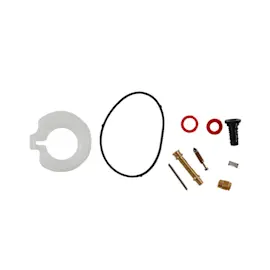
- If it still runs rough, clean the carburetor bowl and check for debris in the fuel line
Fresh fuel guidelines
| Fuel situation | What we recommend | Why it matters |
|---|---|---|
| Fresh gas (days to a few weeks old) | Use as-is | Best starting and power |
| Stored fuel (1 to 3 months) | Use only if stabilized and stored sealed | Reduces gum formation |
| Year-old gas | Replace with fresh fuel | Prevents carburetor clogging and no-start |
Why it matters
A snowblower carburetor has tiny passages; even small amounts of degraded fuel can plug jets and create a no-start condition. Fresh fuel is the simplest way to avoid downtime during a storm.
If you are doing a tune-up while you are in there, keep track of small hardware so it goes back exactly as removed; a simple part like a washer 596040101 can matter for spacing and alignment.
Last updated: January 2026