 Owner’s manual


What is the capacity of GTW460ASJ5WW?
The GE GTW460ASJ5WW washer has a 4.2 cu. ft. capacity, which is the tub size used to estimate how much laundry it can handle per load. For cycle details and loading guidance specific to this model, use the GTW460ASJ5WW washer manual.
What “4.2 cu. ft.” means for real-world loads
Capacity is a volume measurement, not a weight limit. In practice, a 4.2 cu. ft. top-load washer like the GTW460ASJ5WW is typically suited for:
- Everyday mixed loads (shirts, jeans, towels)
- Medium bedding items (such as a comforter, depending on thickness)
- Larger loads when you avoid packing items tightly
- Better cleaning when you leave room for water flow and agitation
Loading tips that help performance
Overloading is one of the most common causes of poor cleaning, out-of-balance spinning, and extra wear on suspension and drive parts.
- Load items loosely; do not press laundry down into the basket
- Mix large and small items to help balance during spin
- Keep bulky items (blankets, comforters) from forming one heavy side
- Use the correct cycle and water level options for the fabric type
- If the washer shakes or bangs, reduce load size and redistribute
Quick reference
| Spec | GTW460ASJ5WW |
|---|---|
| Washer type | Top-load washer |
| Capacity | 4.2 cu. ft. |
| Best practice | Leave space for agitation and proper balance |
Why it matters
Knowing the GTW460ASJ5WW capacity helps you choose the right load size so the washer can agitate, rinse, and spin correctly. That improves cleaning results and can reduce strain on components like the suspension system and drive belt.
Last updated: January 2026
What is the life expectancy of a GE washing machine?
A GE washing machine typically lasts 10 to 14 years with normal household use. For your GE GTW460ASJ5WW top-load washer, consistent maintenance and avoiding chronic overloading are the biggest factors that help it reach (or exceed) that range; see the care guidance in the GTW460ASJ5WW washer manual.
Typical lifespan for washers (what to expect)
Most washers fall into a predictable lifespan range, and GE is generally in line with that.
| Appliance type | Typical life expectancy | What usually ends the run |
|---|---|---|
| Top-load washer (like GTW460ASJ5WW) | 10 to 14 years | Suspension wear, drive system wear, drainage issues |
| Front-load washer | 8 to 12 years | Door boot leaks, bearing wear, drainage issues |
What shortens washer life fastest
These are the most common “lifespan killers” we see across GE top-load washers:
- Overloading (stresses the drive system, clutch, and suspension)
- Unbalanced loads (increases vibration and suspension wear)
- Detergent overuse (causes residue, odors, and poor draining)
- Ignoring slow drain symptoms (can overwork the drain pump)
- Hard water buildup (reduces cleaning performance and can affect valves)
Maintenance that helps GTW460ASJ5WW last longer
A few simple habits make a measurable difference over the life of a washer:
- Keep loads evenly distributed; wash bulky items in smaller loads
- Use the right amount of HE detergent (more is not better)
- Run periodic cleaning cycles and wipe down the tub ring and lid area
- Check fill hoses for bulges or leaks and replace as needed
- If draining slows or you hear grinding during drain, inspect the pump system early
Why it matters
Extending washer life is mostly about reducing stress on high-wear systems (suspension, drive, and drainage). Catching vibration or draining problems early can prevent secondary damage and keep your GE GTW460ASJ5WW running reliably for years.
Last updated: January 2026
What is the most common problem with GE washers?
For GE washers like model GTW460ASJ5WW, the most common service issue we see is a no-drain or weak-spin condition, which often traces back to a drain restriction, a failing drain pump, or a lid lock problem that prevents high-speed spin. See the GTW460ASJ5WW washer manual for cycle behavior and basic checks.
Most common symptoms (and what they usually point to)
- Washer won’t drain or leaves water in the tub: drain hose kink/clog, pump issue, or blockage in the tub-to-pump path
- Washer won’t spin or spins slowly: lid lock not engaging, out-of-balance load, drive system issue
- Loud banging or walking during spin: worn suspension, unlevel legs, overloaded tub
- Won’t start or stops mid-cycle: lid lock, control, or wiring connection problem
- Not filling correctly: inlet screens clogged, inlet valve issue, household water supply problem
Parts that commonly solve these problems on GTW460ASJ5WW
If troubleshooting points to a failed component, these are frequent fixes for this model:
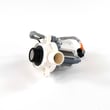
- Washer drain pump assembly WH23X28418 (moves water out of the tub during drain)
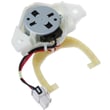
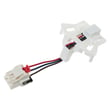
- Washer lid lock WH08X37938 (must lock to allow spin on many cycles)
- Washer drive belt WH01X24697 (transfers motor power for agitation and spin)
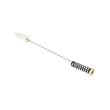
- Washer suspension rod and spring assembly WH16X26911 (controls tub movement and balance)
Quick triage: match the symptom to the first check
| Symptom | First check | Next likely fix |
|---|---|---|
| Won’t drain | Drain hose height/kinks, clogs | Drain pump or pump hose |
| Won’t spin | Lid lock clicks/locks | Belt, shifter, or control |
| Excessive vibration | Load size and leveling | Suspension rods |
| Stops mid-cycle | Error code, lid lock | Control or wiring |
Why it matters
Drain and spin problems can look like “the washer is dead,” but they are often caused by a single wearable part (pump, lid lock, belt) or a simple restriction. Catching it early helps prevent water leaks, repeated out-of-balance events, and motor strain.
For code-based troubleshooting on GE top-load platforms, use GE gtw top load washer error codes.
Last updated: January 2026


