


What is the typical lifespan of a gas snowblower?
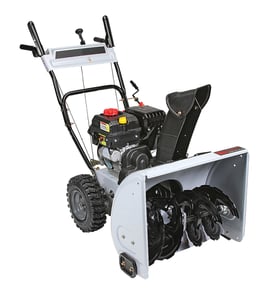
A gas snowblower typically lasts 10 to 20 years. For a Murray snow thrower like model 621450X4B, lifespan lands on the high end when you keep up with seasonal maintenance, use fresh fuel, and replace wear items (belts, scraper, and seals) before they cause bigger damage.
- Light use (a few storms per year): 15 to 20 years
- Moderate use (regular winter use): 10 to 15 years
- Heavy use (long driveways, wet snow, frequent storms): 8 to 12 years
- Change engine oil on schedule and check oil level before each storm.
- Use fresh gasoline and stabilize fuel for storage.
- Keep the auger and chute clear; never force packed snow through.
- Inspect belts and pulleys for glazing, cracking, or slipping.
- Replace wear parts when they thin out or start scraping unevenly.
If performance drops, these are the parts we see most often on gas snowblowers:
| Symptom | Most common cause | Example part for 621450X4B |
|---|---|---|
| Auger stops under load | Worn or stretched belt | Snowblower auger drive belt 760928MA |
| Poor scraping, leaves snow behind | Worn scraper edge | Scraper 55323MA |
| Fuel smell or leaking | Cracked tank or fittings | Fuel tank assembly 333739MA |
A snowblower usually fails early from neglected fuel, worn belts, or running with loose hardware. Replacing a belt or scraper at the right time protects the auger assembly, pulleys, and drive components, which is what keeps a machine like the Murray 621450X4B running for decades.
Last updated: February 2026
How do I tell how old my snowblower is?
To tell how old your Murray snow thrower model 621450X4B is, we use the serial number from the model and serial tag on the machine (and sometimes the engine tag). The serial format varies by manufacturer, so the key step is locating the correct tag and recording the full serial exactly.
On most Murray snowblowers, the model and serial tag is on the main frame or rear housing area. Check these common spots:
- Rear of the frame near the wheels
- Side of the auger housing (near the front bucket)
- Under the handle panel or near the control bracket
- On the engine shroud (engine model and code, separate from the snowblower tag)
If the snowblower tag is missing or unreadable, the engine tag can still help narrow the build timeframe.
Once you have the serial number, look for a date pattern. Common formats include:
- Year encoded as a digit/letter early in the serial
- YYMMDD or MMDDYY style date blocks
- Julian date (day of year) plus a year code
- Write down the full model number (621450X4B) and full serial number
- Check whether the serial begins with 2 to 4 digits that resemble a year or date
- Compare the snowblower serial to the engine code (often includes a date or build code)
- Use the parts list to confirm you are matching the correct model family when ordering parts
Parts wear can hint at age, but it is not as accurate as the serial number. These items commonly get replaced over a snowblower’s life:
| Wear item | What it suggests | Example part on this model page |
|---|---|---|
| Auger belt | Slipping, squealing, auger not engaging | Snowblower auger drive belt 760928MA |
| Scraper/shave plate area | Poor clean-down, leaving snow behind | Scraper 55323MA |
| Fuel system parts | Leaks, varnish issues from old fuel | Fuel tank assembly 333739MA |
Knowing the approximate manufacture year helps us match the right Murray parts, confirm design changes across production runs, and choose the correct maintenance steps (oil change intervals, belt routing style, and auger drive setup).
Last updated: February 2026
Should I spray my snowblower with WD-40?
Yes, you can use WD-40 on your Murray 621450X4B snow thrower, but we recommend using it only as a light protectant on clean, dry metal surfaces (mainly to reduce rust and help snow release). Keep it off belts, friction-drive parts, and hot engine areas.
Use a light spray and wipe off excess; the goal is a thin film, not a wet coating.
Good places to treat
- Chute interior and discharge area (helps reduce sticking)
- Auger housing interior (light coat only)
- Exposed fasteners and bare metal for off-season rust protection
Places to avoid
- Any belt and pulley surfaces (slip and glazing)
- Friction disc and drive plate area (loss of drive)
- Engine muffler, cylinder fins, and other hot surfaces
- Rubber, tires, and control grips (can swell or degrade some materials)
- Shut the engine off and let everything cool.
- Brush out packed snow and wipe moisture from the chute and housing.
- Apply a light coat to the chute and housing, then wipe until it looks “dry.”
- If you notice belt squeal or weak auger engagement afterward, clean overspray off the belt area and inspect the belt.
If you suspect belt slip or cracking, the correct replacement for the auger drive on this model is the snowblower auger drive belt 760928MA.
| Option | Best use on a snowblower | What to watch for |
|---|---|---|
| WD-40 | Light rust protection; short-term water displacement | Can attract grime; can contaminate belts/friction drive |
| Silicone spray | Non-stick on chute and housing | Still avoid belts, friction drive, and hot engine parts |
Overspray on the drive system is the fastest way to create slipping, poor throwing performance, and premature belt wear. Keeping lubricants and protectants confined to the chute and auger housing helps your snowblower throw farther and engage more consistently.
For step-by-step belt service guidance, use our how to replace a snowblower belt video.
Last updated: February 2026
How to tell if a snowblower auger belt is bad?
On your Murray 621450X4B snow thrower, a bad auger belt shows up as augers that stop or hesitate under load, squealing or a hot rubber smell, and poor snow-throwing even though the engine runs normally. Visual belt damage (cracks, glazing, fraying) and a loose feel when engaged are strong indicators.
- Auger does not turn at all when you squeeze the auger control
- Auger turns but slips or stops as soon as it hits heavier snow
- Squealing noise from the belt or pulley area
- Burning rubber smell after a short run
- Excessive vibration when the auger is engaged
- Belt looks cracked, shiny (glazed), frayed, or has missing chunks
- Disable the engine: remove the spark plug wire and let hot parts cool.
- Check belt condition: look for glazing, cracks across the ribs, frayed cords, or oil/fuel contamination.
- Check belt tension and tracking: with the auger control engaged, the belt should feel firm and ride correctly in the pulley grooves (a stretched belt often sits deeper and slips).
- Spin the auger by hand (with the machine safely supported): binding, grinding, or a hard spot can overheat and destroy a belt.
| What you notice | Most likely cause | What to do next |
|---|---|---|
| Belt looks shiny and smells hot | Belt slipping from wear or low tension | Inspect belt and idler system; replace belt if worn |
| Belt keeps shredding | Pulley misalignment or seized auger components | Check pulleys, bearings, auger shaft for binding |
| Auger won’t move but belt looks OK | Belt off pulley, broken belt, or control issue | Verify belt routing and engagement linkage |
| Belt is wet with fuel/oil | Contamination causing slip and deterioration | Fix leak, clean pulleys, replace belt |
If the belt is worn or slipping, replacement is the normal fix. For this model, the auger belt is listed as the snowblower auger drive belt 760928MA. If you also see poor tensioning, inspect the idler components such as the idler arm spring 339017MA and the idler pulley 48924MA.
A slipping auger belt reduces throwing distance and can overheat, snap, or damage pulleys. Catching belt wear early helps protect the auger drive system and keeps your Murray 621450X4B clearing consistently.
For a step-by-step belt replacement walkthrough, use our how to replace a snowblower belt video.
Last updated: February 2026