


What is the most common problem with Samsung washing machines?
The most common problems we see on Samsung washers like model WF365BTBGWR are draining issues (won’t drain, slow drain, or stopping with water left in the tub) and out-of-balance spinning (shaking, banging, or not reaching full spin). These problems usually trace back to load/leveling issues, a clogged pump filter, or a failing drain pump.
Most common symptoms customers report
- Washer won’t drain or drains very slowly
- Cycle stops mid-cycle with water still inside
- Loud banging or excessive vibration during spin
- Clothes come out too wet (low or no spin)
- Door stays locked because water did not drain
What to check first (fast, no-parts steps)
- Load and leveling: Rebalance bulky items (towels, blankets) and make sure the washer sits solidly on the floor.
- Drain path: Confirm the drain hose is not kinked, crushed, or shoved too far down the standpipe.
- Pump filter: Clean the drain pump filter and check for coins, lint, hair pins, and small socks.
- Water supply: If filling is slow or inconsistent, verify both hot and cold supply valves are fully open.
When a part is usually the fix
If the washer hums but won’t drain, drains intermittently, or leaves water behind after you have cleaned the filter, the drain system is the next place we focus.
| Problem pattern | Most likely area | Example part for this model |
|---|---|---|
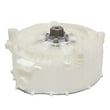
| Won’t drain, loud hum, or intermittent draining | Drain pump or blockage at pump | Washer drain pump DC31-00054D |
| Slow drain, debris found repeatedly | Pump filter and drain path | Washer drain pump filter DC97-16991A |
| No fill or fill errors, weak flow | Water inlet valve or screens | Washer water inlet valve DC62-30314K |
Why it matters
Drain and balance problems can trigger repeated cycle interruptions, leave clothes soaking wet, and keep the door locked until water is removed. Fixing the root cause also helps prevent pump damage and reduces vibration wear on the tub and shock absorbers.
Helpful troubleshooting reference
For Samsung front-load error-code guidance tied to balance and spinning, use our Samsung front load washer dc error code resource.
Last updated: January 2026
What is the life expectancy of a Samsung front load washing machine?
A Samsung front-load washer like model WF365BTBGWR typically lasts 10 to 15 years. Reaching the high end depends most on preventing leaks and vibration damage, keeping the drain system clear, and doing routine cleaning so the tub, pump, and door boot stay in good shape.
Typical lifespan and what affects it
Most front-load washers fall into a 10 to 15 year lifespan range. These factors usually decide whether you get closer to 10 years or closer to 15:
- Load size and balance (chronic overloading shortens bearing, shock, and tub life)
- Water quality (sediment can stress inlet valves and dispenser paths)
- Drain care (coins, lint, and debris strain the pump)
- Door boot care (mold, tears, and leaks accelerate wear)
- Installation and leveling (out-of-level machines shake and wear faster)
Maintenance that extends life (high impact)
Use this checklist to protect the most failure-prone systems on a front-load washer:
- Run a monthly tub-clean cycle (or hot wash) with an approved cleaner
- Wipe and dry the door boot folds after laundry day
- Leave the door slightly open between loads to reduce odor and mildew
- Clean the drain pump filter regularly; keep debris out of the pump
- Level the washer and keep loads balanced to reduce vibration
Parts that commonly drive “end of life” decisions
When these parts fail, repairs can range from simple to more involved. If you are troubleshooting fill, drain, or leak symptoms, these model-matched parts are common starting points:
| Symptom | Common system | Example part for WF365BTBGWR |
|---|---|---|
| Won’t fill or fills slowly | Water inlet | Washer water inlet valve DC62-30314K |
| Won’t drain, drains slowly | Drain pump | Washer drain pump DC31-00054D |
| Leaks at door, mildew smell | Door boot | Samsung washer door boot DC97-16596A |
Why it matters
Knowing the expected 10 to 15 year lifespan helps you decide whether to maintain, repair, or replace. On a washer already near the end of that range, fixing a drain or leak issue early can prevent secondary damage to the tub, motor, and controls.
Last updated: January 2026
Does a Samsung washer have a filter that needs to be cleaned?
Yes. Your Samsung WF365BTBGWR washer uses a drain pump debris filter that should be cleaned regularly to prevent slow draining, odors, and pump damage. Many Samsung washers also have small inlet screen filters at the water valve connections that can clog and reduce fill.
What filters to check on WF365BTBGWR
- Drain pump debris filter: Catches lint, coins, hairpins, and small items before they reach the drain pump.
- Water inlet screens: Small mesh screens where the hot and cold hoses connect to the washer’s inlet valve.
- Dispenser path (not a “filter”): Detergent residue can restrict flow through the dispenser hose over time.
How often to clean it
Most front-load washers like the Samsung WF365BTBGWR do best with this schedule:
- Drain pump filter: every 1 to 3 months (more often if you wash pet bedding or heavily soiled loads)
- Inlet screens: every 6 to 12 months, or anytime fill is slow
- Tub cleaning cycle: about monthly to help control odor and residue
| What you notice | Most likely area to clean | Common result |
|---|---|---|
| Won’t drain, drains slowly, or leaves water | Drain pump filter | Restores normal draining |
| Musty smell, residue on door boot | Drain pump filter and tub cleaning | Reduces odor buildup |
| Takes a long time to fill, weak water flow | Inlet screens / inlet valve | Restores fill speed |
Quick, safe drain pump filter cleaning tips
- Unplug the washer.
- Place towels and a shallow pan under the lower front area.
- Drain water slowly (if your model has a small drain tube, use it first).
- Remove and rinse the filter; clear debris from the filter cavity.
- Reinstall the filter firmly to prevent leaks.
If the washer still will not drain after cleaning, the filter housing may be damaged or the pump may be failing; the washer drain pump filter DC97-16991A and washer drain pump DC31-00054D are common related parts for this model.
Why it matters
A clogged debris filter makes the drain pump work harder, increases cycle time, and can lead to standing water that causes odor and mildew around the door boot.
Last updated: January 2026