Owner’s manual
 Error Codes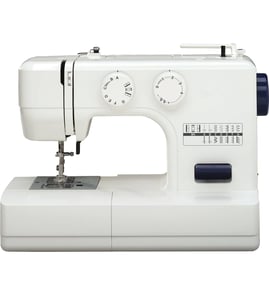

How do I know what model my Kenmore sewing machine is?
Your Kenmore sewing machine’s model number is printed on the machine’s identification (nomenclature) plate; for model 38512714090, the manual notes this plate is on the back of the machine. Once you have that number, use it any time you look up parts, service information, or troubleshooting steps in the owner's manual.
Where to look for the model number
Check these common spots first (starting with the most likely):
- The identification plate on the back of the sewing machine
- The underside/base of the machine near the front edge
- Inside or under the free arm/extension table area (if your machine has an accessory storage box)
- On the carrying case/cabinet label (if you have one)
- On the first pages of the manual or your original paperwork (if saved)
What to write down (and why)
We recommend recording both the model number and serial number exactly as shown. This prevents ordering the wrong part and helps match the correct diagrams and settings.
| Item | What it looks like | Why it matters |
|---|---|---|
| Model number | A longer number, often starting with 385 on Kenmore machines | Identifies the exact machine design and compatible parts |
| Serial number | A unique number (sometimes mixed letters and numbers) | Helps identify production details for service and reference |
Quick tips to avoid mix-ups
- Copy the number character-for-character (no spaces added or removed).
- If the plate is hard to read, wipe it gently and use bright light; a phone photo and zoom helps.
- If you see multiple numbers, use the one labeled MODEL (not a patent number or electrical rating).
Why it matters
Kenmore sewing machines can look similar across different 385-series models, but parts like the bobbin system, needle plate, feed dogs, and tension components can differ. Using the exact model number keeps your parts lookup and troubleshooting accurate.
Last updated: February 2026
What is the most reliable brand of sewing machine?
No single sewing machine brand is “most reliable” for everyone; reliability depends on how the machine is built, how it’s maintained, and whether it’s matched to your projects. For a Kenmore mechanical sewing machine like model 38512714090, consistent cleaning, correct threading, and proper tension setup are the biggest drivers of long-term dependability (see the owner's manual).
How we recommend choosing a reliable sewing machine brand
Look for these reliability signals when comparing Kenmore, Singer, Brother, Janome, Juki, and similar brands:
- Mechanical vs. computerized: mechanical models typically tolerate dust and long storage better.
- Parts availability: common wear items (belts, motor components, switches, bobbin-case parts) should be easy to source.
- Serviceability: a design that allows routine cleaning and oiling helps prevent lockups.
- Stitch quality under load: test on denim, canvas, and multiple layers if you sew heavy fabrics.
- Consistent feeding: the fabric should advance smoothly without slipping or bunching.
What “reliable” means in real use
Reliability usually shows up as fewer of these issues over time:
| Reliability goal | What you should see | What it prevents |
|---|---|---|
| Stable stitch formation | Even stitches, minimal looping | Thread nests, skipped stitches |
| Smooth drive system | No binding, steady speed | Machine lockups, sluggish running |
| Strong fabric feeding | Fabric moves evenly | Uneven seams, puckering |
| Durable electrics | Motor runs consistently | No-start or intermittent power |
Maintenance that makes any brand more reliable
For the Kenmore 38512714090 and most household machines, these habits reduce breakdowns the most:
- Clean lint from the bobbin area and feed dogs regularly.
- Rethread the upper thread path with the presser foot up.
- Use the correct needle type and replace it often (bent or dull needles cause many “machine problems”).
- Use quality thread and the correct bobbin style for your machine.
- Follow the manual’s guidance for tension adjustments, cleaning, and oiling.
Why it matters
Most “brand reliability” complaints are actually setup or maintenance problems. A well-maintained mechanical machine can stay dependable for decades, while a neglected premium machine can sew poorly and jam frequently.
If you’re troubleshooting symptoms that feel like reliability problems (fabric not moving, lockups, motor issues), use our sewing machine common questions guide to narrow down the cause.
Last updated: February 2026
Is it worth repairing an old sewing machine?
Yes, repairing an older Kenmore sewing machine like model 38512714090 is usually worth it when the machine is mechanically solid and the repair restores reliable stitching for less than about half the cost of a comparable replacement. Routine care (cleaning and oiling) also prevents many “repair” situations.
How we decide if repair makes sense
Use these practical checkpoints before spending money:
- Condition of the machine head: smooth handwheel rotation, no grinding, no seized parts
- Type of problem: cleaning, timing adjustment, belt, motor, switch, or wiring issues are commonly repairable
- Parts and service cost: if the estimate is 50% to 60% or less of a comparable machine, repair is the better value
- How you sew: if you need strong piercing power for denim or multiple layers, older mechanical machines often perform very well
- Safety: do not keep using a machine with a damaged cord/plug or one that was dropped or exposed to water (service it first)
Quick triage: repair vs replace
| What you’re seeing | Most likely path | Why |
|---|---|---|
| Machine runs but stitches are messy | Repair/maintenance | Often threading, tension, needle, lint buildup, or adjustment |
| Fabric not feeding | Repair/maintenance | Feed dogs, presser foot pressure, or lint under the needle plate |
| Motor hums but won’t run | Repair | Commonly motor, belt, foot control, or wiring |
| Machine locks up | Repair first | Frequently lint, jammed thread, or dry mechanisms |
What to do before paying for service
These steps solve many “old machine” complaints and reduce unnecessary service expense:
- Re-thread the upper thread and bobbin exactly as shown in the owner's manual
- Install a new, straight needle (bent needles cause skipped stitches and breakage)
- Clean lint from the bobbin area and around the feed dogs
- Verify the correct needle plate is installed (wrong plate can break needles)
- Turn power off before cleaning; unplug by gripping the plug, not the cord
Why it matters
A well-maintained mechanical Kenmore like the 38512714090 can deliver consistent stitch quality for decades. Basic care (threading correctly, cleaning lint, and proper oiling) prevents many issues that look like “major repairs.”
Related help: sewing machine locks up, sewing machine fabric not moving
Last updated: February 2026
How old is the Kenmore sewing machine model 38512714090?
The exact age of your Kenmore sewing machine model 38512714090 is determined by its serial number, not the 385 prefix. The 385 prefix identifies a Kenmore model family and does not map to a single production era. Use the serial number location and recording instructions in the owner's manual to date your specific machine.
How to find the information you need
The manual explains where the model number is shown and how to record both identifiers.
- Look for the nomenclature plate on the back of the sewing machine.
- Write down the model number (38512714090) and the serial number exactly as printed.
- Record both in the machine record area referenced in the manual.
- Keep the serial number with your maintenance notes (cleaning, oiling, timing checks).
- Use the model and serial together when matching parts diagrams and accessories.
What the model number tells you vs. the serial number
| Identifier | What it tells us | Best use |
|---|---|---|
| Model number 38512714090 | The correct parts breakdown and manual for this Kenmore sewing machine | Finding compatible parts and accessories |
| Serial number | The production run details for your exact unit | Determining the machine’s manufacturing timeframe |
Why it matters
Dating the machine correctly helps you match the right accessories (presser feet, bobbins, needle system) and follow the correct care steps (cleaning lint, oiling points, tension adjustments) so the machine runs smoothly and avoids premature wear.
If your machine displays a code or electronic-style error, use the Kenmore 385 error codes guide to interpret it and choose the right next step.
Last updated: February 2026