Error Codes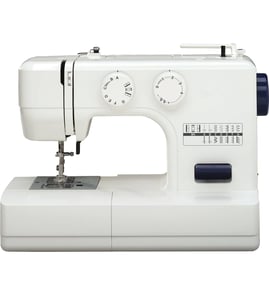

Are older sewing machines worth anything?
Yes; older sewing machines can be worth money, but most common household models sell for modest amounts unless they are rare, fully working, and exceptionally clean. For a Kenmore sewing machine head model 15817741, value usually comes from condition, completeness (accessories), and whether it sews smoothly.
What typically drives value
- Working condition: stitches form correctly, feeds fabric, reverse works, and speed control is smooth
- Completeness: original foot pedal, power cord, bobbins, presser feet, case, and attachments
- Cosmetic condition: minimal rust, no cracked plastic, clean decals, and intact paint
- Service history: recently cleaned and oiled (with proof) often sells faster
- Demand: some vintage models are collectible; many are mainly practical “workhorse” machines
Quick value ranges (typical)
These are common resale ranges for older mechanical sewing machines in the U.S. market.
| Condition | What it means | Typical range |
|---|---|---|
| Parts/repair | Doesn’t run or won’t stitch reliably | $0 to $50 |
| Working | Runs and sews basic stitches | $50 to $150 |
| Excellent | Clean, tuned, includes accessories/case | $150 to $300+ |
How we recommend pricing your Kenmore 15817741
- Test sew on cotton with a straight stitch and zigzag; confirm even stitches top and bottom.
- Check wear points: handwheel turns freely, needle bar moves smoothly, feed dogs rise and drop.
- Inspect wiring: brittle cords, intermittent pedal response, or sparking lowers value.
- List what’s included: feet, bobbins, needles, manual copy, and case matter.
If it is not worth much as a whole, parts can still matter
Even when resale value is low, a machine can still be useful for repairs or restoration. If you plan to keep it, focus on maintenance and safe electrical condition; our DIY guide on how to tell if a fuse is blown can help with basic power troubleshooting.
Why it matters
A realistic value helps you decide whether to sell, restore, or keep the machine. For many older Kenmore mechanical machines, a simple cleaning, oiling, and stitch test can move it from “parts only” to “working,” which is where most of the value is.
Last updated: February 2026
Is it worth repairing an old sewing machine?
Yes, repairing an older Kenmore sewing machine like model 15817741 is usually worth it when the machine has a solid metal build and the repair is limited to normal wear items (belt, motor brushes, wiring, cleaning and lubrication). It becomes less worthwhile when major internal parts are damaged and hard to source.
Quick way to decide (cost vs. value)
Use this checklist before you spend money on service.
- Worth repairing if it mostly runs but has issues like skipped stitches, noisy operation, stiff handwheel, or inconsistent tension.
- Worth repairing if you use it regularly and want dependable straight stitch and zigzag performance.
- Worth repairing if the problem is maintenance-related (lint buildup, dried grease, timing slightly off).
- Less worthwhile if the machine has a cracked casting, seized main shaft, or severe electrical damage.
- Less worthwhile if you cannot identify the exact model number for parts matching (start with how to find your appliance model number (and what it means for parts)).
Common repairs on vintage Kenmore machines (and what they typically mean)
| Symptom | Most common cause | Typical fix |
|---|---|---|
| Motor runs but needle does not move | Worn or broken belt, loose drive | Replace/adjust belt, inspect pulleys |
| Skips stitches | Needle type/size mismatch, timing, dull needle | New needle, rethread, timing check |
| Thread bunching under fabric | Upper threading or tension issue | Rethread, clean tension discs, adjust tension |
| Machine is loud or stiff | Dried grease, lint, lack of oil | Clean, lubricate, check bearings |
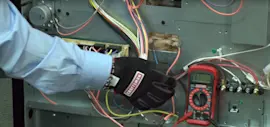
| Intermittent power | Damaged cord, foot pedal, internal wiring | Inspect wiring, test with meter, repair/replace |
What to check before you pay for service
- Unplug the machine and remove lint from the bobbin area and feed dogs.
- Install a new needle (correct system and size for your fabric).
- Rethread the top path with the presser foot up; then reinsert the bobbin correctly.
- Turn the handwheel by hand; it should rotate smoothly without binding.
- If you suspect an electrical issue, use safe testing practices and follow are diy appliance repairs safe.
Why it matters
A well-maintained mechanical sewing machine head can deliver consistent stitch quality for decades, and basic maintenance often restores performance without the cost of replacing the machine.
Last updated: February 2026
What is the difference between a sewing machine and a mechanical sewing machine?
A “mechanical sewing machine” is simply a sewing machine that uses manual knobs and levers to set stitch type, stitch length, and stitch width, instead of electronic buttons and a digital display. Your Kenmore model 15817741 is a mechanical sewing machine head, so most adjustments are made by hand.
Mechanical vs electronic: what changes day to day
- Controls: mechanical uses dials and levers; electronic uses buttons and menus.
- Stitch selection: mechanical typically offers fewer built-in stitches; electronic usually offers more.
- Stitch consistency: electronic often holds stitch length and speed more consistently under varying fabric load.
- Serviceability: mechanical designs are often straightforward to clean, oil (if applicable), and adjust.
- Learning curve: mechanical is usually simpler for basic sewing and quick adjustments.
Quick comparison
| Feature | Mechanical sewing machine (like Kenmore 15817741) | Electronic sewing machine |
|---|---|---|
| Stitch selection | Usually basic set | Often expanded set |
| Adjustments | Manual dials/levers | Digital controls |
| Speed control | Foot pedal feel, less “regulated” | Often more regulated control |
| Power needs | Runs without electronics | Relies on control board/electronics |
How to choose the right type for your projects
Use a mechanical machine if you mainly sew hems, repairs, cotton crafts, or want simple, durable controls. Consider an electronic machine if you want more decorative stitches, one-touch settings, or features like speed limiting and automatic needle positioning.
Why it matters
Knowing whether your machine is mechanical helps you troubleshoot correctly: many issues (skipped stitches, tension problems, uneven feeding) are solved by manual adjustments, cleaning lint from the bobbin area, and checking needle type and threading, rather than replacing electronic components.
For general tips on confirming you have the correct model information before ordering parts, use how to find your appliance model number (and what it means for parts).
Last updated: February 2026
When was the Kenmore 15817741 sewing machine made?
The Kenmore 15817741 sewing machine was produced during the era when Kenmore’s 158-series mechanical machines were commonly sold (mid-century through the late 20th century). For the exact year of manufacture, we match the model and serial number details to the correct production run.
How to narrow down the exact year
Use these checks on your Kenmore 15817741 sewing machine head:
- Find the serial number plate (commonly on the underside of the base, the back of the arm, or near the power cord area)
- Write down the full serial number exactly as shown (letters and numbers)
- Confirm the model is printed as 15817741 (not a similar 158.xxxx variant)
- Note whether the machine is made in Japan (many 158-series units were)
- Compare your machine’s features (stitch selector style, motor/pedal type, light housing) to the diagrams in the parts list for this model
What “158” means and why it matters
Kenmore model numbers that start with 158 identify a family of mechanical sewing machines that share many design traits. The exact suffix (like 15817741) is what separates one production run from another, and that is what determines the correct timing parts, bobbin area components, and electrical pieces.
Why it matters
Knowing the correct production run helps you avoid ordering the wrong items, especially for:
- Bobbin case and hook area parts
- Needle plate and feed dog fitment
- Motor belt and handwheel components
- Foot control and power cord style
- Light socket and switch parts
Quick identification checklist
| What you find | What it usually tells you | What to do next |
|---|---|---|
| Model reads 15817741 clearly | You have the correct model family | Use the model parts diagrams to match assemblies |
| Serial number is present and legible | Best clue for dating | Record it before cleaning or servicing |
| Missing or unreadable serial plate | Dating is harder | Use feature matching and parts diagram comparison |
Helpful next step
If you are confirming the model number before ordering parts, use our guide: how to find your appliance model number (and what it means for parts).
Last updated: February 2026