Owner’s manual
 Error Codes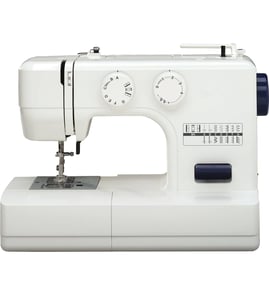

How old is a Kenmore 3851584180 sewing machine?
The Kenmore 3851584180 is an older, mechanical Kenmore 385-series sewing machine; most 385-series machines were sold from the late 1960s through the 1990s (with some runs into the early 2000s). To pin down the age of your exact unit, we use the serial number and the identification plate location shown in the owner's manual.
How to estimate the age from your machine
Use these quick checks to narrow it down:
- Find the nomenclature plate on the back of the machine (the manual shows where it is located).
- Write down the model number (3851584180) and the serial number exactly as shown.
- Compare your machine’s features to the manual (stitch selector style, reverse control, accessory set).
- If your machine displays any codes or has electronic indicators, use Kenmore 385 error codes to confirm whether your unit is a computerized variant (most 3851584180 units are mechanical).
What “385” means (and why it matters)
Kenmore model numbers that start with 385 identify a large family of machines made over many years. The “385” prefix helps with parts compatibility and documentation, but it does not by itself give a single manufacture year.
Why it matters
Knowing the approximate era helps us choose the right maintenance approach (oil points, cleaning schedule), and it reduces the chance of ordering the wrong items such as needles, bobbins, belts, or a foot control.
Quick timeline guide (typical for Kenmore 385 machines)
| What you see on the machine | Typical era | What that suggests |
|---|---|---|
| Fully mechanical controls, no display | 1960s to 1990s | Most common for 385-series machines |
| Electronic display or coded errors | 1990s to early 2000s | More likely to use error-code troubleshooting |
Good habits that keep older machines sewing well
- Change needles often and match needle size to fabric.
- Keep thread tails pulled to the rear before starting a seam.
- Clean lint from the bobbin area regularly.
- Oil only where the manual indicates (over-oiling can attract lint).
Last updated: February 2026
How to determine the value of an old sewing machine?
The value of an older sewing machine depends most on the exact model, condition, and whether it sews smoothly. For a Kenmore 3851584180, start by confirming the model and serial number, then compare recent sold prices for the same model in similar condition.
Step 1: Identify exactly what you have
Use the machine’s identification plate (the manual notes the model and serial number are on the nomenclature plate) and record both numbers. Then confirm key features and included accessories using the owner's manual.
- Model number and serial number (both matter)
- Mechanical condition (turns freely, stitches consistently)
- Electrical condition (motor runs, foot control responds)
- Completeness (power cord, foot control, presser feet, bobbins, case)
- Cosmetic condition (paint, decals, corrosion, cracks)
Step 2: Check real-world selling prices (not asking prices)
When you research value, focus on sold listings for the same model number and similar condition. Separate “serviced and sewing” machines from “as-is” machines.
Quick pricing guide (typical ranges)
| Condition level | What it usually means | Typical value range |
|---|---|---|
| As-is / untested | Doesn’t run, missing parts, or unknown history | $25 to $100 |
| Runs but needs tuning | Runs, but tension, timing, or feed issues | $75 to $200 |
| Clean and fully working | Smooth stitching, normal noise, complete setup | $150 to $400 |
| Collectible premium | Rare model, excellent originality, documented service | $400+ |
Step 3: What increases or decreases value the most
Small details can move the price more than age.
- Increases value: recently cleaned and oiled, stitches test well on scrap fabric, includes accessories and case
- Decreases value: machine locks up, fabric not feeding, needle not moving, strong burning smell, damaged wiring
- Neutral: normal scuffs, minor yellowing, missing a few common accessories
If it does not sew correctly, fixability affects value
A machine that runs but has common symptoms (fabric not moving, sluggish running, locking up) is often worth more after basic service and adjustment.
- Use the owner's manual for threading, tension adjustment, cleaning, and oiling guidance
- If you’re seeing model-family error indications on a Kenmore 385 unit, use Kenmore 385 error codes
Why it matters
Accurate model identification and a simple stitch test prevent overpricing (no buyers) or underpricing (money left on the table). For most buyers, “tested and sewing” is the single biggest value driver.
Last updated: February 2026
Is it worth repairing an old sewing machine?
Yes; repairing an older Kenmore mechanical sewing machine like model 3851584180 is worth it when the handwheel turns freely and the problem is routine maintenance or a common wear item (threading, tension, cleaning, oiling, belt, motor, switch). Replacement makes more sense when the machine is seized or has major internal damage.
Quick decision checklist
- Handwheel turns smoothly by hand and the needle bar moves up and down
- Stitch problems improve after correct threading and tension setup
- The issue is isolated (jam, dirty hook area, worn belt, weak motor, bad switch)
- You use the machine’s mechanical features regularly (zigzag, zipper sewing, overcasting)
- Repair cost is less than the value you get from keeping a familiar, reliable machine
Start with the basics first
The Kenmore manual emphasizes routine care (threading, tension adjustments, cleaning, oiling) to get the best results and avoid unnecessary service expense. Use the owner's manual to return the machine to a known-good setup.
What we do before buying parts
- Rethread upper thread and bobbin exactly as shown
- Install a new needle (correct type, fully seated)
- Clean lint from the bobbin area, hook, and feed dogs
- Oil only the points the manual specifies
- Test on scrap fabric with a medium stitch length and balanced tension
Symptom-to-fix guide
| Symptom | Most common cause | Best next step |
|---|---|---|
| Fabric not feeding | Lint-packed feed dogs, presser foot setting | Clean and verify settings using sewing machine fabric not moving |
| Machine locks up | Thread jam, debris in hook area | Clear jam, clean, oil; see sewing machine locks up |
| Motor will not run | Foot control, switch, motor, wiring | Follow sewing machine motor won't run |
Why it matters
A solid mechanical sewing machine can sew well for decades when it is cleaned, oiled, and set up correctly; many “needs repair” machines only need proper threading, tension, and maintenance.
Last updated: February 2026