Installation guide
 Owner’s manual


How long should a Maytag MEDX700XL0 washer last?
A Maytag MEDX700XL0 is a dryer, not a washer; a typical electric dryer like this lasts about 13 years with normal household use. Keeping airflow strong (clean lint, correct venting, level install) is what most often determines whether it reaches that lifespan.
Typical lifespan and what affects it
Most dryers reach their full service life when heat, airflow, and drum support parts stay in good shape.
- Clean the lint screen every load and keep the exhaust vent clear
- Use the shortest, straightest vent route possible; avoid crushed or kinked venting
- Keep the dryer level so the drum tumbles correctly and sensor cycles work properly
- Do not run the dryer in temperatures below 45°F (7°C)
- Address squealing, thumping, or poor heat early to prevent secondary damage
Quick reference: what “normal life” looks like
| Item | Typical expectation | What shortens it fastest |
|---|---|---|
| Electric dryer lifespan | ~13 years | Restricted venting, overheating, heavy loads |
| Drying performance | Consistent dry times | Long vent runs, too many elbows, lint buildup |
| Drum support wear | Gradual | Running noisy rollers/idler too long |
Parts that commonly decide whether you get the full 13 years
If the dryer is noisy, takes longer to dry, or stops heating, these are common wear or heat-related items to check.
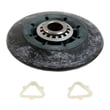
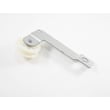
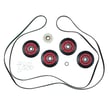
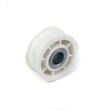
- Drum support and rotation: dryer drum support roller WPW10314173, idler pulley, belt components
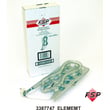
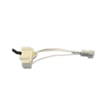
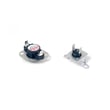
- Heating circuit: dryer heating element WP3387747, thermal cut-off, wiring connections
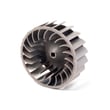
- Air movement: blower wheel, lint duct, exhaust venting
- Sensors and controls: thermistor, moisture sensor, electronic control
Why it matters
A dryer usually does not “wear out” all at once; it loses airflow or overheats, which increases dry times and stresses the heating system. Following the venting limits and installation checks in the MEDX700XL0 installation guide helps protect performance and extend service life.
Last updated: January 2026
What is the most common problem with Maytag dryers?
For Maytag dryers like model MEDX700XL0, the most common problem we see is poor airflow from lint buildup or restricted venting; that overheating can trip a safety fuse and cause a no-start or no-heat complaint. Fixing the venting and lint path usually prevents repeat failures.
Most common symptoms customers notice
- Dryer will not start (often after it ran hot previously)
- Dryer runs but does not heat
- Long dry times even on high heat
- Burning smell or very hot cabinet
- Loud rumbling or squealing while tumbling
What usually causes it
Airflow restrictions are the root cause behind many Maytag dryer failures. The installation instructions warn that improper venting can trap lint and obstruct airflow, increasing fire risk; they also call out that flexible plastic or foil-type venting is not acceptable because it can crush and collect lint. Use the venting guidance in the MEDX700XL0 installation guide.
Common failure points tied to airflow and heat:
- Blown thermal cut-off or thermal fuse (safety opens when the dryer overheats)
- Failed heating circuit parts after repeated overheating
- Moisture sensor issues that can lead to odd cycle behavior or extended drying
Quick checks we recommend first
- Clean the lint screen and confirm strong airflow at the outside hood.
- Inspect the entire vent run for kinks, crushed sections, or lint blockage.
- Avoid screws through the duct that can catch lint; clamp joints instead.
- If the dryer runs 5 minutes, open the door and check for heat (per the install guide); if there is no heat, check both household fuses/breakers.
- If the dryer is noisy, inspect drum support and belt-drive components.
Parts that commonly solve the problem (when diagnosis confirms)
| Symptom | Common culprit | Example part for MEDX700XL0 |
|---|---|---|
| No heat | Heating element or thermal cut-off kit | Dryer heating element WP3387747 or dryer thermal cut-off fuse kit 279973 |
| Loud rumble | Worn drum support rollers | Dryer drum support roller WPW10314173 |
| Squeal or no tumble | Idler pulley wear | Dryer idler pulley 279640 |
Why it matters
Restricted venting does not just slow drying; it drives overheating that can shut the dryer down and shorten the life of key parts like the heating element, thermal cut-off, and drum support components.
Last updated: January 2026
What size is an XL dryer?
An “XL” (extra-large) dryer usually means a large-capacity drum; in practice, we treat anything over about 7.0 cubic feet as XL, while many standard dryers fall around 5.0 to 7.0 cubic feet. For model MEDX700XL0, confirm the exact capacity in the MEDX700XL0 owner’s manual.
What “XL” typically means (capacity)
Most brands use “XL” as a marketing shorthand for a bigger drum, not a strict industry standard. Use these common ranges:
- Standard capacity: about 5.0 to 7.0 cu. ft.
- Large or XL capacity: over 7.0 cu. ft.
- Best for: bulky items (comforters), larger households, fewer loads per week
Capacity vs. physical size (they are different)
Two dryers can have similar outside dimensions but different drum capacity. Installation fit depends on the cabinet size and clearances, not the “XL” label.
| What you’re checking | What it tells you | Where to verify |
|---|---|---|
| Drum capacity (cu. ft.) | How much laundry it can hold | MEDX700XL0 owner’s manual |
| Outside dimensions | Whether it fits your laundry space | MEDX700XL0 installation guide |
| Venting and electrical needs | Whether your home setup matches | MEDX700XL0 installation guide |
Why it matters
Choosing the right capacity helps prevent overdrying, long dry times, and airflow problems. Even an XL dryer can dry poorly if the vent run is restricted or the installation clearances are tight.
Quick tips to get the most from an XL dryer
- Avoid packing the drum tight; leave room for tumbling.
- Clean the lint screen every load.
- Keep the exhaust vent run short and unobstructed.
- Use sensor cycles for mixed loads when available.
- If dry times are long, inspect the venting and airflow first.
Last updated: January 2026