Owner’s manual
 Error Codes


How wide is a Kenmore side-by-side refrigerator?
Most Kenmore side-by-side refrigerators, including model 10657372700, are built for a 36-inch-wide cabinet opening; the exact case width varies slightly by design and door style. For the precise overall width and required clearances, use the 10657372700 owner's manual.
Typical width you can expect
Most Kenmore side-by-side units fall into these common width ranges:
- Standard width: about 35 1/2 to 36 inches
- Counter-depth models: often still about 36 inches wide, but shallower front-to-back
- Overall width with doors/handles: can be slightly wider than the cabinet box
| Measurement type | What it means | Typical range |
|---|---|---|
| Cabinet (case) width | Metal box only | 35 1/2 to 36 in. |
| Overall width | Doors and hinges included | ~36 in. (varies) |
| Space needed to open doors | Clearance at sides | Depends on swing |
Clearances that affect “how wide” it needs to be
Even if the refrigerator itself is about 36 inches wide, the installation space must include room for airflow and door swing.
- Allow about 1/2 inch on each side and at the top for ventilation
- If installed next to a fixed wall, allow about 2 inches minimum on the wall side (varies by setup) so the door can swing open
- Leave extra space behind the unit if you have an ice maker water line connection
Why it matters
Width is only part of fit. Door swing clearance determines whether you can fully open the doors and pull out bins and shelves without hitting a wall or cabinet.
Related help
Last updated: February 2026
What are the most common problems with Kenmore refrigerators?
The most common problems we see on Kenmore refrigerators like model 10657372700 are poor cooling, water leaks, ice maker or dispenser failures, and unusual noises. These issues usually trace back to airflow restrictions (dirty coils or a failed fan), defrost system trouble, or worn water system components.
Most common symptoms and what they usually mean
- Not cooling or warm temperatures: dirty condenser coils, evaporator fan problem, or a defrost failure causing ice buildup
- Water under the refrigerator: clogged defrost drain, loose water line, or a leaking valve
- Ice maker not making ice: water supply issue, frozen fill tube, or a failed ice maker
- Water dispenser slow or not dispensing: clogged filter, low water pressure, or inlet valve issue
- Buzzing, rattling, or clicking: fan blade hitting ice, condenser fan noise, or compressor start components
Quick checks we recommend first (safe, high-impact)
- Confirm temperatures: set fresh food near 37°F and freezer near 0°F.
- Clean condenser coils (unplug first): restricted airflow is a top cause of warm temps.
- Check door sealing: look for gaps, torn gasket, or doors not closing fully.
- Inspect for frost buildup on the freezer back panel: heavy frost points to a defrost problem.
- Verify water supply: this model’s water system is designed for 30 to 120 psi supply pressure.
Parts that commonly solve these problems on 10657372700
| Symptom | Common part to check | Example part for this model |
|---|---|---|
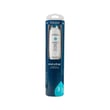
| Slow water, bad taste/odor | Water filter | Refrigerator water filter EDR3RXD1 |
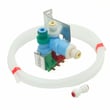
| No ice, no water, weak flow | Water inlet valve | Refrigerator inlet valve W10408179 |
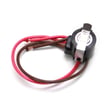
| Frost buildup, warm fridge | Defrost heater or defrost thermostat | Refrigerator heater WP2323198, refrigerator defrost bi-metal WPW10225581 |
| Ice maker dead or intermittent | Ice maker assembly | Refrigerator ice maker WPW10190965 |
Why it matters
Cooling and ice maker complaints often start as simple airflow or water-supply problems; fixing them early helps prevent food spoilage, recurring leaks, and heavy frost that can strain the sealed system.
Helpful model-specific references
- Use the 10657372700 owner’s manual for cleaning, light bulb replacement, and troubleshooting steps.
- For water filter selection and replacement tips, follow how to replace the water filter in a Kenmore refrigerator.
Last updated: February 2026
What is the code Sy Ef on a Kenmore refrigerator?
On a Kenmore 10657372700 side-by-side refrigerator, an SY EF (or 5Y EF) code points to a problem in the evaporator fan circuit. In most cases, the evaporator fan is not running correctly due to ice buildup, a failed fan motor, a wiring issue, or a control problem.
What to check first (fast, no parts)
- Power reset: Unplug the refrigerator (or switch off the breaker) for 5 minutes, then restore power.
- Listen for the evaporator fan: With the freezer door closed (door switch held in), you should typically hear a steady fan sound.
- Look for frost or ice on the freezer back wall: Heavy frost often means airflow is blocked and the fan may be hitting ice.
- Confirm vents are not blocked: Keep packages away from freezer air vents.
- Check door sealing: A leaking gasket can drive frost buildup that leads to fan errors.
Likely causes and the most common fixes
| What’s happening | Most likely cause | Typical fix |
|---|---|---|
| Fan is silent, freezer warms | Evaporator fan motor failure | Replace the fan motor (model-specific part varies) |
| Fan runs but code returns | Loose connection or damaged wiring | Inspect harness plugs and wiring for damage |
| Fan noisy, then stops | Ice contacting fan blade | Defrost and correct the underlying defrost issue |
| Heavy frost on back wall | Defrost system problem | Check defrost heater and defrost thermostat |
If you find heavy frost, the defrost system is a prime suspect. For this model, common defrost-related parts include the refrigerator defrost bi-metal WPW10225581 and the refrigerator heater WP2323198.
Why it matters
The evaporator fan moves cold air through the freezer and into the fresh food section. When the fan circuit fails, temperatures rise, food can spoil, and frost can build up faster, which makes the problem worse.
Helpful reference
For operating and troubleshooting guidance specific to Kenmore 10657372700, use the 10657372700 owner’s manual.
Last updated: February 2026
What is the cubic foot of my Kenmore refrigerator model 10657372700?
The cubic-foot capacity for Kenmore side-by-side refrigerator model 10657372700 is listed in the product specifications section of the documentation for your exact unit. Use the 10657372700 owner's manual to confirm the total capacity and any refrigerator versus freezer breakdown.
How to find the capacity in the manual
Look for a specifications-style section; many Kenmore 106 manuals include capacity in a product data sheet or feature summary.
- Search the PDF for: capacity, cu. ft., volume, or product data sheet
- Check for separate lines for refrigerator and freezer compartments
- Match the model number 10657372700 exactly; close model variants can have different capacities
Typical capacity range for this style of refrigerator
Most Kenmore 106 side-by-side refrigerators fall into a mid-size capacity class. Use this range to compare sizes while you confirm the exact number for your unit.
| Refrigerator type | Typical total capacity range | Common use |
|---|---|---|
| Side-by-side (Kenmore 106 family) | 21 to 26 cu. ft. | Family grocery storage with full-height freezer |
Why it matters
Capacity affects how you compare replacement refrigerators and helps when planning storage layout (shelf spacing, bin sizes, and door bin organization). It does not equal fully usable space because shelves, ice bin, and door bins reduce it.
Last updated: February 2026
What's the average lifespan of a Kenmore refrigerator?
Kenmore refrigerators typically last 10 to 15 years on average; with consistent maintenance, many units reach 15 to 20 years. For your Kenmore 10657372700 side-by-side refrigerator, routine care like cleaning condenser coils, keeping door gaskets sealing, and changing the water filter on schedule helps maximize service life (see the 10657372700 owner's manual).
What affects lifespan the most
A refrigerator’s life is usually determined by heat management, airflow, and how hard the sealed system has to work.
- Condenser coil cleanliness (dust buildup raises compressor run time)
- Door gasket condition (air leaks cause frost and longer run cycles)
- Stable temperatures (fresh food about 37°F, freezer about 0°F)
- Water system health (clogged filters can reduce flow and strain the inlet valve)
- Vent clearance and loading (blocked vents reduce cooling efficiency)
Maintenance schedule we recommend
These intervals are practical for most Kenmore side-by-side models.
| Task | Typical interval | Why it helps |
|---|---|---|
| Clean condenser coils | Every 6 to 12 months | Reduces heat load and compressor wear |
| Inspect/clean door gaskets | Every 3 to 6 months | Prevents air leaks and frost |
| Replace water filter | About every 6 months | Maintains flow and water quality |
| Verify temps with a thermometer | Seasonally | Catches cooling issues early |
If your model uses the genuine Kenmore refrigerator water filter EDR3RXD1, replacing it on time is one of the easiest ways to keep dispenser and ice maker performance steady.
Signs your refrigerator is nearing end of life
- Compressor runs almost constantly and temps still drift warm
- Repeated heavy frost buildup or recurring defrost problems
- Water dispenser or ice maker issues that return soon after repairs
- Unusual buzzing/clicking combined with inconsistent cooling
Why it matters
A refrigerator that runs longer to hold temperature uses more energy and puts extra wear on major components like the compressor, evaporator fan, and defrost system. Preventive maintenance is the simplest way we know to extend the life of a Kenmore 10657372700.
Last updated: February 2026
Where is the model number on a Kenmore side by side refrigerator?
On Kenmore side-by-side refrigerator model 10657372700, the model number is printed on the appliance identification label (the same label that lists the serial number). On most side-by-side units, you will find this label inside the fresh food compartment on a side wall or near the ceiling.
Where to look first (fastest checks)
- Open the refrigerator (fresh food) door and check the left and right interior side walls
- Look near the top front of the compartment (close to the control housing)
- Check behind the crisper drawers area (side wall just above the pans)
- If you do not see it in the refrigerator section, check the freezer compartment side wall
What the label looks like
The ID label is usually a white or silver sticker and includes:
- Model number (for example, 10657372700)
- Serial number (often a mix of letters and numbers)
- Electrical ratings (volts/amps)
Why it matters
We use the exact model number to match the correct Kenmore parts and diagrams. Even small model-number differences can change which items fit, such as a water filter, ice maker, or door gasket.
Quick tip: model number vs. serial number
| Item | What it tells you | How it’s used |
|---|---|---|
| Model number | The design/version of the refrigerator | Selecting correct parts and manuals |
| Serial number | The unit’s unique production ID | Dating and service history |
If the label is hard to read
- Wipe it gently with a damp cloth and a drop of mild dish soap; dry it
- Take a photo and zoom in (flash off reduces glare)
- Use the 10657372700 owner’s manual to confirm common label locations and cabinet layout
Last updated: February 2026
Why is there water leaking from the bottom in my Kenmore refrigerator?
Water leaking from the bottom of your Kenmore 10657372700 side-by-side refrigerator is typically caused by defrost water backing up from a clogged or frozen drain, or a slow leak in the ice maker or dispenser water supply line. Use the 10657372700 owner's manual to locate access points and water-line connections.
Most common causes
- Clogged or frozen defrost drain; meltwater spills into the cabinet and out to the floor
- Drain pan shifted, cracked, or not catching defrost water
- Water supply fitting seeping at the compression nut or valve inlet
- Ice maker fill tube or dispenser line dripping and tracking to the base
- Door left ajar causing heavy frost and excess defrost water
Troubleshooting steps (in order)
- Check the freezer floor and rear area for ice or standing water; this points to a drain restriction.
- Thaw any ice at the drain area using warm water; then flush the drain with warm water to clear sludge.
- Pull the refrigerator out and inspect the drain pan for cracks and correct placement.
- Inspect the household water line and fittings at the back for moisture.
- If the leak appears after ice or water use, inspect the inlet valve area for drips.
Quick diagnosis guide
| When it leaks | Most likely source | What to do next |
|---|---|---|
| Even when you do not use ice or water | Defrost drain or drain pan | Clear drain; verify pan position |
| After dispensing water or ice maker runs | Water line or inlet valve | Check fittings; inspect valve for seepage |
| Water inside freezer, then on floor | Frozen/clogged drain | Thaw and flush drain |
Part to check if the leak is from the water supply
- Refrigerator inlet valve W10408179 (controls water to the ice maker and dispenser; seepage here can drip to the bottom)
Why it matters
Stopping a bottom leak prevents slippery floors, flooring damage, and recurring ice buildup that can lead to airflow and temperature problems.
Last updated: February 2026