Owner’s manual
 View engine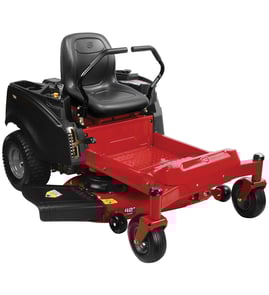





What model number is a Craftsman 247204150 lawn mower?
The model number for this Craftsman riding mower is 247.204150 (often written without the dot as 247204150). You’ll see it printed on the mower’s model tag and on the cover of the 247204150 operator's manual.
Where to find the model number on the mower
Check these common locations on Craftsman rear-engine and zero-turn style riders:
- Under the seat pan or on the seat deck
- On the frame rail near the engine
- Near the rear fender area
- On a label close to the footrest or floorboard
- In the manual cover page and parts list section
247204150 vs. other Craftsman model numbers
Some Craftsman mowers use different model-number formats (for example, 917.xxxxxx on certain walk-behind mowers). For this unit, the correct identifier for parts and documentation is 247204150.
| What you’re looking at | What it means | What to use for parts |
|---|---|---|
| 247.204150 | Model number format shown in the operator’s manual | 247204150 |
| 247204150 | Model number without punctuation (common on parts sites) | 247204150 |
| 917xxxxxx | Different Craftsman product line/model format | Not for this mower |
Why it matters
Using the exact model number ensures you get the right diagrams and the right parts for your mower’s deck, drive system, and safety interlock components. Even small model-number differences can change belt routing, blade style, or electrical connectors.
Last updated: January 2026
What brand engine does Craftsman use?
Craftsman riding mowers like model 247204150 are commonly equipped with engines supplied by major small-engine manufacturers such as Briggs & Stratton, Kohler, or Kawasaki. The exact engine brand on your mower is confirmed by the engine ID label and the specifications listed in the 247204150 operator’s manual.
How to identify the engine brand on your mower
Check these spots on the engine itself (not the mower frame):
- Valve cover or blower housing decal (often shows Briggs & Stratton, Kohler, or Kawasaki)
- Engine model-type-code label (usually near the starter, valve cover, or muffler area)
- Emission label on the shroud
- Stamped tag near the flywheel housing
- Owner paperwork that came with the mower
What the manual tells you for this model
The documentation for Craftsman 247204150 identifies it as a Zero-Turn Rider, 24 HP, 54-inch mower deck and includes operating and maintenance guidance such as fuel handling and safety interlock checks. Use the manual to match your mower’s configuration and service intervals. Refer to the 247204150 operator’s manual for the model-specific sections on operation, maintenance, and troubleshooting.
Quick engine-brand confirmation checklist
| What you check | What you’re looking for | Why it helps |
|---|---|---|
| Engine label | Manufacturer name and engine model code | Confirms brand and exact engine family |
| Parts diagrams | Engine-related parts grouping | Helps you match the correct replacement parts |
| Maintenance section | Oil and fuel guidance | Ensures you service the engine correctly |
Why it matters
Engine brand determines the correct tune-up parts (spark plug, air filter, oil filter), the right service specs, and which troubleshooting steps apply. It also helps you avoid ordering the wrong electrical parts like a starter solenoid.
Last updated: January 2026
How much does it cost to replace a riding lawn mower engine?
For the Craftsman 247204150 rear-engine riding mower, a full engine replacement typically costs about $260 to $1,800 installed, depending on the engine, labor rates, and whether related items (battery, belts, wiring) also need service. Plan on around 6 hours of labor for a riding mower engine swap.
What drives the total cost
- Engine choice: OEM-style replacement vs. compatible engine kit
- Labor rate: shop hourly rates vary widely by region
- Extra parts: fuel line, spark plug, air filter, clamps, mounting hardware
- Electrical issues: weak battery, bad solenoid, or safety switch problems discovered during install
- Fuel system condition: stale fuel or debris can add cleanup time
Before you replace the engine, confirm it is the problem
Many “no start” complaints on riding mowers are caused by fuel, ignition, or safety interlock issues, not a failed engine. Use the starting checklist and safety interlock details in the 247204150 owner's manual.
Common quick checks:
- Parking brake engaged, PTO disengaged, and operator seated (interlock conditions)
- Fresh gasoline (less than 30 days old) and clear fuel flow
- Spark plug wire connected and spark plug condition
- Air cleaner not clogged
- Fuse not blown (if equipped)
Parts that commonly come up during engine replacement
If the engine will not crank or you have intermittent starting, these parts are often inspected or replaced during an engine job:
| Symptom | Common related part | Example from this model’s parts |
|---|---|---|
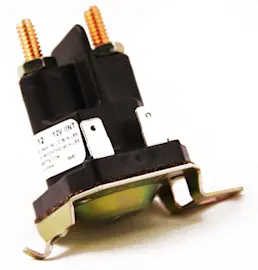
| No crank, single click | Starter solenoid | Lawn tractor starter solenoid 725-06153 |
| Cranks only in certain lever positions | Interlock switch | Lawn tractor interlock switch 725-04363 |
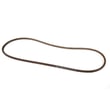
| Mower moves poorly after repair | Ground drive belt wear | Lawn tractor ground drive belt, 9/16 x 67-1/2-in 954-04317A |
Why it matters
An engine replacement is one of the highest-cost repairs on a riding mower. Verifying the safety interlock system, fuel quality, and basic ignition checks first helps avoid paying for an engine when the real issue is a switch, solenoid, or fuel restriction.
Last updated: January 2026
Is it worth replacing a lawn mower engine?
Yes; replacing the engine on your Craftsman model 247204150 is worth it when the mower’s deck, frame, and drive system are in good condition and the total swap cost stays under about half the price of a comparable new riding mower. If several major systems are worn out, replacement makes more sense.
Quick decision checklist
- The deck is structurally sound (not rusted through, not cracked) and still cuts evenly after basic service
- The drive system moves smoothly (no chronic slipping, whining, or loss of pull)
- The wiring and safety interlock system are intact (no recurring no-crank caused by switches or damaged harness)
- You can handle the labor (or have a shop do it) including throttle/choke linkage and belt routing
- The engine problem is isolated (seized, low compression, thrown rod) rather than the result of long-term neglect
Cost and effort: what to compare
| Option | Best when | Typical downside |
|---|---|---|
| Replace engine (full swap) | Chassis and drive system are strong | Highest up-front cost and most labor |
| Rebuild/short block | You want to save money and keep the original setup | More time, measuring, and troubleshooting |
| Replace mower | Deck, belts, steering, and drive are also worn | Higher purchase price and setup time |
What to inspect on model 247204150 before committing
- Deck belt condition: Cracking, glazing, or frequent belt throw can signal broader deck wear; plan on replacing wear items such as the riding lawn mower deck belt 954-04329.
- Ground drive belt: If it slips under load, budget for a belt at the same time; the lawn tractor ground drive belt 954-04317A is a common wear item.
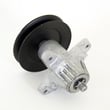
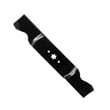
- Vibration and cut quality: Excessive vibration or uneven cut often points to blade, spindle, or deck issues, not engine power.
- Overheating causes: The manual calls out keeping oil at the proper level and clearing debris from cooling fins and blower housing to prevent overheating.
Why it matters
An engine swap only pays off when it restores a mower that is otherwise dependable. If belts, blades, spindles, and safety switches are already near end-of-life, an “engine fix” turns into a full rebuild with costs that add up fast.
Where to confirm safe steps
Follow the shutdown and maintenance safety steps in the 247204150 owner’s manual before any engine work (PTO off, parking brake set, engine off, key removed).
Last updated: January 2026