Error Codes


How to identify a Kenmore washer model?
Your Kenmore washer model number is printed on the appliance’s model and serial tag; for Kenmore washers it often starts with 110 (like 11091551210). We use that full model number to match the correct Kenmore washer parts and diagrams for your exact machine.
Check these common locations first (the tag is usually a sticker or metal plate):
- Top-load washer: under the lid, around the lid opening, or on the underside of the lid
- Front-load washer: inside the door opening, along the door frame, or behind the door
- Any style: on the back panel near the power cord, or along the side of the cabinet
- Sometimes: behind the control panel or on the lower front frame
Kenmore model numbers are typically 10 to 12 characters and may include periods or letters. For many Kenmore washers, the first three digits identify the source manufacturer.
| What you see on the tag | What it means | What to do with it |
|---|---|---|
| Model number (example: 11091551210) | Identifies the exact washer design | Use it to select exact-fit parts |
| Serial number | Production code and date info | Helpful for service history, not for part matching |
| Type/series codes | Internal identifiers | Ignore unless a tech asks for them |
Use these quick checks before you buy a replacement part like a drain pump, motor coupling, or lid switch:
- Copy the model number exactly as printed (include all digits and any letters)
- If there’s a period, record it; if not, do not add one
- Match the model number on the washer (not a receipt or manual from a different unit)
- If the tag is worn, take a photo and zoom in to confirm characters
- When replacing common drive parts, confirm your design by comparing to a known part listing such as the coupling 285753A
Kenmore washers can look similar across years, but internal parts like the drive motor, clutch, drain pump, and gear case vary by model. Using the exact model number (for example, 11091551210) prevents fit issues and repeat repairs.
Last updated: February 2026
What is the average lifespan of a Kenmore washer?
A Kenmore washer typically lasts 10 to 15 years with normal household use. For Kenmore model 11091551210, consistent maintenance and avoiding overloads help you reach the upper end of that range; repeated out-of-balance loads, draining problems, and drive wear shorten service life.
- Load size and balance: frequent overloading strains the drive system and suspension.
- Drain performance: slow draining makes the pump work harder and can leave water behind.
- Water quality: sediment can reduce fill performance and stress the inlet valve.
- Spin habits: repeated high-speed spins with heavy items accelerate wear.
- Timely part replacement: fixing small issues early prevents bigger failures.
If your washer starts slipping, not spinning, or making loud noises, these parts are often involved:
| Symptom | Common cause | Example part for this model |
|---|---|---|
| Won’t spin or agitates poorly | Drive connection slipping | Coupling 285753A |
| Won’t drain or drains slowly | Pump worn or jammed | Washer drain pump WP3363394 |
| Shakes or bangs excessively | Suspension losing tension | Washer suspension spring WP63907 |
- Run occasional hot washes (when safe for fabrics) to reduce residue buildup.
- Use the right amount of HE detergent; too much soap can cause buildup and poor rinsing.
- Keep loads even; mix similar-weight items and avoid washing one heavy item alone.
- Check hoses and connections periodically for seepage and replace at the first sign of cracking.
A washer that is maintained and repaired early usually costs less to keep running and cleans better. Catching issues like a weak drain pump or worn coupling early helps prevent secondary damage to the motor, gear case, and tub components.
Last updated: February 2026
What replacement parts are most commonly needed for the 11091551210?
For Kenmore washer model 11091551210, the most commonly replaced parts are the ones tied to draining, spinning, agitation, and lid safety. On this model, frequent fixes include the drain pump, motor coupling, lid switch, clutch, and water-level pressure switch (all wear items that affect everyday cycles).
These are the parts we see replaced most often when the washer will not drain, will not spin, will not agitate, or stops mid-cycle:
- Washer drain pump WP3363394 (drain problems, humming, leaks at the pump)
- Coupling 285753A (motor runs but tub does not agitate or spin)
- Switch 285671 (won’t start or stops when the lid is opened)
- Clutch 285785 (weak spin, burning smell, slow or no basket movement)
- Washer water-level pressure switch WP3356467 (overfilling, underfilling, or incorrect water level)
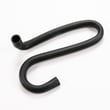
- Drain hose WPW10358149 (leaks, siphoning, poor draining)
| Symptom | Most likely part(s) to check | What you’ll notice |
|---|---|---|
| Won’t drain | Drain pump, drain hose | Water left in tub, pump hums or leaks |
| Won’t spin but drains | Clutch, coupling | Tub drains but basket stays still |
| Won’t agitate | Coupling, agitator drive shaft | Motor runs, no wash action |
| Won’t start | Lid switch | No motor action, intermittent operation |
| Overfills or won’t fill correctly | Water-level pressure switch, mixing valve | Wrong water level, filling issues |
These components handle the most stress: the drain system moves water and debris, the drive system transfers motor power, and the lid switch and pressure switch control safety and fill levels. Normal wear, small items in pockets, and heavy loads speed up failures.
- Match the part by model 11091551210 first, then confirm by symptom.
- Compare your old part’s shape and wire/port locations before ordering.
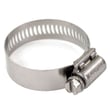
- If you have leaks, inspect hoses and clamps at the same time.
- For spin or agitation issues, check for a worn coupling before deeper drive parts.
Last updated: March 2026