Owner’s manual




Can you replace the drain hose on an LG washer?
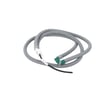
Yes, we can replace the drain hose on an LG WM4070HWA washer, and it is a realistic DIY repair if you are comfortable removing panels and working around water. The key is to unplug the washer, shut off water, and fully drain the tub before loosening any hose clamps.
Replacing a drain hose on a front-load LG washer typically means accessing the drain path at the tub-to-pump connection and routing the hose back out through the cabinet.
- Unplug the washer; turn off both water supply valves
- Pull the washer forward and protect the floor with towels or a shallow pan
- Drain remaining water (expect spills when hoses are removed)
- Remove the necessary panels to reach the pump and hose connections
- Release spring clamps or screw clamps, then swap the hose and re-clamp
- Reassemble, then run a rinse and spin cycle to check for leaks
For model-specific panel removal and routing details, follow the WM4070HWA owner's manual.
Even when the drain hose itself is the problem, leaks and no-drain symptoms often trace back to the pump area.
| Symptom you see | Most common area to inspect | What to do next |
|---|---|---|
| Water on floor during drain | Hose connections at pump | Re-seat hose, replace clamp if weak |
| Washer will not drain | Pump or pump filter | Clean filter; inspect pump for debris |
| Slow drain, gurgling | Partial blockage | Check hose for kinks and lint buildup |
If you are already opening the pump area, it is smart to inspect the washer drain pump filter 383EER2001A for clogs and damage.
A restricted or leaking drain hose can cause standing water, odor, and repeated drain errors; fixing the drain path protects the drain pump motor and helps the washer complete spin cycles normally.
If the washer stops and shows an error during spin because it cannot drain or balance properly, use our LG front load washer error codes guide to match the code to the most likely cause.
Last updated: February 2026
What is the average lifespan of an LG washer?
Most LG washers, including the LG WM4070HWA, typically last 10 to 15 years with normal household use. Consistent maintenance (cleaning, correct loading, and quick fixes for small leaks or drain issues) is what most often determines whether you land closer to 10 years or closer to 15.
A washer’s life is mainly driven by load size, cycle frequency, water quality, and how well it drains and spins.
- Loads per week: more cycles usually means faster wear
- Overloading: stresses the drive system, tub, and shocks
- Drain health: clogs and slow draining strain the pump
- Door seal care: residue and mold can damage the boot and cause leaks
- Leveling: vibration shortens the life of suspension and bearings
These steps help front-load LG washers run longer and reduce common failures.
- Clean the drain filter regularly (see the WM4070HWA owner's manual)
- Leave the door slightly open between loads to dry the gasket area
- Use the right detergent amount (too much causes buildup)
- Run a monthly tub-clean cycle or hot wash with washer cleaner
- Check pockets to prevent coins and debris from reaching the pump
If your washer is otherwise in good shape, replacing a wear part can add years of service.
| Symptom | Common cause | Example part for WM4070HWA |
|---|---|---|
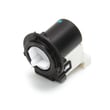
| Won’t drain, humming, or drains slowly | Drain pump motor failing or obstructed | Drain pump motor (4681EA2001T) - washer part by LG electronics 4681EA2001T |
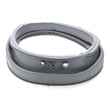
| Leaks at the door | Door boot torn or deformed | LG washer door boot MDS47123608 |
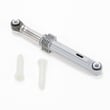
| Excess vibration or banging | Shock absorber worn | Washer shock absorber 383EER3001V |
A 10 to 15 year lifespan is realistic when the washer drains freely, spins smoothly, and stays clean. Most “early failures” trace back to chronic overloading, poor leveling, or neglected cleaning that leads to leaks, odor, and pump strain.
Last updated: February 2026
How much does it cost to replace a rubber seal on an LG washing machine?
For the LG WM4070HWA washer, replacing the rubber door seal (door boot) typically costs $115 to $300 total: about $115 for the part and $150 to $300 for professional labor. DIY replacement usually costs just the part, plus basic tools and time; see the WM4070HWA owner's manual for model-specific access and care guidance.
- Part (door boot): commonly $80 to $150; for this model we list the LG washer door boot MDS47123608
- Labor (service call + install): commonly $150 to $300
- Optional add-on part: the washer door boot spring clamp ACA56078801 if the clamp is stretched, corroded, or damaged
- DIY supplies: towels, shallow pan, mild cleaner (small cost)
| Scenario | What you pay for | Typical total |
|---|---|---|
| DIY replacement | Door boot (and clamp if needed) | $115 to $135 |
| Pro replacement | Parts + labor | $265 to $435 |
- Leak severity and location: a torn boot lip is faster than a leak caused by a mis-seated boot
- Clamp condition: reusing a weak clamp can cause repeat leaks
- Access time: front panel removal and reassembly time varies by technician
- Related issues: mold buildup, debris, or a door alignment problem can add time
- Inspect the boot for tears, pinholes, or a warped sealing lip.
- Check for coins, hairpins, or sharp items trapped in the folds.
- Confirm the leak is not from the dispenser hose or tub-to-pump hose.
- Clean the boot and run a rinse cycle; persistent dripping usually means replacement.
A leaking door boot can cause water damage, odors, and repeated drain issues. Replacing the seal promptly helps protect the door lock area and keeps wash performance consistent.
Last updated: February 2026
What is the most common problem with LG washers?
The most common problem we see with LG washers (including the LG WM4070HWA) is draining trouble caused by a clogged drain pump filter or a failing drain pump, which can leave water in the tub and stop the cycle. Unbalanced loads and door seal odor or mold are also frequent.
- Drainage problems: water left in the drum, slow drain, or the washer stops mid-cycle
- Unbalanced load (UE-type symptoms): banging, walking, or failure to reach high spin
- Door boot odor or leaks: musty smell, mildew, water at the front of the washer
- Fill problems: slow fill, no fill, or temperature issues from inlet valve trouble
- Door won’t lock/unlock: cycle won’t start or door stays locked after the cycle
- Run a drain and spin cycle with the tub empty.
- Clean the drain pump filter and check the drain hose for kinks or clogs.
- Rebalance the load (mix items, avoid one heavy blanket by itself).
- Wipe the door boot dry after use and leave the door slightly open between loads.
- Use the troubleshooting steps and error code guidance in the WM4070HWA owner’s manual.
| Symptom | Most likely cause | Parts that often fix it (WM4070HWA) |
|---|---|---|
| Won’t drain / water left in tub | Clogged filter or weak pump | Washer drain pump filter 383EER2001A, drain pump motor (4681EA2001T) - washer part by LG electronics 4681EA2001T |
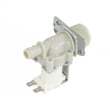
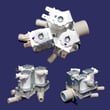
| Won’t fill / fills slowly | Inlet valve issue or supply restriction | Washer water inlet valve 5221ER1003A, LG washer single-solenoid water inlet valve 5220FR2006H |
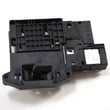
| Door won’t lock | Door lock failure or alignment issue | LG washer door lock EBF61315802 |
Drain and balance problems are the most disruptive because they can stop the cycle, leave clothes soaking wet, and strain the drive system. Catching a clog early also helps prevent pump damage and repeat drain errors.
Last updated: February 2026