 Installation guide
 Error Codes
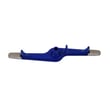


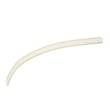

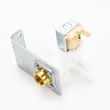
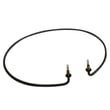
Can I replace dishwasher parts myself?
Yes, for the Frigidaire FDBB2040FC1 dishwasher, we can replace many common parts ourselves if we shut off power and water first and follow the correct steps. Simple mechanical items are usually DIY-friendly; wiring, water connections, and door-spring adjustments require extra care and the right tools.
What’s realistic to DIY on this model
These repairs are typically straightforward for a careful DIYer:
- Replacing a leaking door gasket such as the dishwasher door seal 809006501
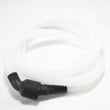
- Swapping a clogged or damaged drain hose (watch for kinks and routing)
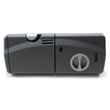
- Replacing a detergent dispenser if the cup won’t latch or open
- Replacing rack rollers or a rack if wheels break or rust spreads
- Replacing an upper spray arm if it is cracked or the jets are blocked
Repairs that take more skill (but are still doable)
The installation instructions for this dishwasher include electrical junction box connections, anchoring methods, and door removal steps; use the installation guide as your step-by-step reference.
- Water inlet valve replacement (water line connection and leak checks)
- Heating element replacement (wiring and proper reassembly)
- Drain pump replacement (hose clamps, seals, and leak testing)
- Door removal and door spring tension adjustment (pinch and balance hazards)
Quick safety checklist before you start
- Turn off the circuit breaker and confirm the dishwasher is dead
- Shut off the water supply valve
- Pull the unit out only as far as needed; protect the floor
- Keep wiring, drain, and water lines routed away from the motor/frame area
- After reassembly, check for leaks and verify the dishwasher is level and secured
DIY vs. pro: a simple guide
| Task type | Typical DIY? | Why |
|---|---|---|
| Seals, rollers, spray arms | Yes | Low risk, minimal tools |
| Pumps, valves, heater | Sometimes | Water and electrical connections |
| Door springs, anchoring | Sometimes | Alignment and safety-critical stability |
Why it matters
A dishwasher must be secured so it does not tilt when the door opens, and all water and electrical connections must be routed and tightened correctly. Doing the prep and final checks prevents leaks, poor washing, and unsafe operation.
Last updated: February 2026
What is the average lifespan of a Frigidaire dishwasher?
A Frigidaire dishwasher typically lasts 10 years. With normal household use and basic upkeep (cleaning filters, fixing small leaks early, and using the right detergent), many units reach 10 to 12 years before major repairs become more common.
What affects lifespan the most
- Water quality and hardness (scale buildup shortens heater and valve life)
- How often you run it (1 load/day wears parts faster than 3 to 4 loads/week)
- Heat and drying use (more heat cycles increase wear on heating components)
- Leaks left uncorrected (water damage can take out switches, wiring, and motors)
- Loading habits (blocked spray arms and overloading strain the pump)
What we recommend for your FDBB2040FC1
Use the clearances, water temperature, and connection guidance in the installation guide to keep the dishwasher operating in its intended conditions. For example, most installations perform best with hot water around 120°F and adequate water pressure.
Quick maintenance checklist (5 minutes a month)
- Rinse and clear debris from the sump area and any filters
- Confirm spray arms spin freely and holes are not clogged
- Check the door seal for tears, flattening, or gaps
- Run a dishwasher cleaner cycle to reduce grease and mineral buildup
- Verify the drain hose is not kinked and the sink connection is clear
Common “end-of-life” symptoms and likely parts
| Symptom | What it often points to | Example part for this model |
|---|---|---|
| Water on the floor at the door | Worn door gasket | Dishwasher door seal 809006501 |
| Dishes not drying well | Heating circuit issue | Heater 154825001 |
| Not draining or slow drain | Drain restriction or weak pump | Hose 807117001 |
| Not filling or fills slowly | Inlet valve or supply issue | Valve 154637401 |
Why it matters
Knowing the typical lifespan helps you decide when routine maintenance is enough versus when a larger repair (pump, motor, or control-related) is more cost-effective to plan for.
Last updated: February 2026
What are the commonly replaced parts in a dishwasher?
In a Frigidaire dishwasher like model FDBB2040FC1, the most commonly replaced parts are the ones that seal water in, move water through the spray system, heat and dry, and handle filling and draining. Wear, clogs, and leaks typically drive these replacements over time.
Most commonly replaced dishwasher parts
- Door seals and gaskets (stop leaks around the door)
- Water inlet valve (controls filling)
- Drain hose and drain pump (moves dirty water out)
- Heating element (helps with drying and water temperature)
- Detergent dispenser (releases detergent at the right time)
- Spray arms and rack hardware (restore cleaning performance and smooth rack movement)
Model-relevant examples for FDBB2040FC1
These are common replacement items we see for this model family:
| Symptom | Likely part type | Example part for this model |
|---|---|---|
| Water leaking at the bottom of the door | Door seal | Dishwasher door seal 809006501 |
| Not filling or fills slowly | Water inlet valve | Valve 154637401 |
| Not draining or drains poorly | Drain hose or drain pump | Hose 807117001, pump 154580301 |
| Not drying well | Heater | Heater 154825001 |
| Detergent not dispensing | Dispenser | Dishwasher dispenser 5304506521 |
| Lower rack falls off track or rolls poorly | Rack rollers or rack | Dishwasher dishrack roller, lower 5304532229 |
Quick checks before you replace parts
- Confirm the dishwasher is level and securely fastened; a tilted unit can cause door leaks and poor draining.
- Check for kinks in the drain line and water line.
- Clean debris from spray arm holes and the sump area (common cause of poor cleaning).
- Verify the door closes smoothly and does not hit surrounding cabinets or the countertop.
- If you are troubleshooting a leak, inspect the door seal first, then the sump gasket and pump O-rings.
Why it matters
Replacing the right part restores wash pressure, proper fill and drain performance, and leak protection. It also prevents repeat failures caused by installation issues like kinked lines or an unlevel dishwasher.
For installation-related checks (leveling, routing water and drain lines, and securing the unit so it does not tilt when the door opens), follow the FDBB2040FC1 installation guide.
Last updated: February 2026
What is the most common problem with a Frigidaire dishwasher?
The most common Frigidaire dishwasher problem (including model FDBB2040FC1) is poor wash performance caused by restricted water flow: clogged spray arm holes, a dirty filter/sump area, or low fill from a partially blocked water inlet. Leaks at the door seal and drain issues are also frequent.
Quick checks we recommend first
- Confirm the hot water supply is on and the supply line is not kinked.
- Make sure the dishwasher is level; an unlevel tub can affect washing and sealing.
- Clean the spray arm holes and remove debris from the sump area.
- Use the correct detergent amount and avoid blocking the detergent dispenser door.
- If it is not draining well, check for a kinked drain hose and a clear sink/disposer connection.
Common symptoms and the most likely causes
| Symptom | Most common cause | What to check next |
|---|---|---|
| Dishes still dirty | Spray arm or filter/sump restriction | Clean spray arm holes; clear debris in sump |
| Dishwasher not filling enough | Water supply issue or inlet screen restriction | Verify supply line is clear; clean inlet valve screen |
| Water on floor at front | Door sealing issue | Inspect/replace dishwasher door seal 809006501 |
| Not draining | Kinked/blocked drain path | Inspect drain hose routing; disposer plug (first-time hookup) |
When a part is the likely fix
If cleaning and hose checks do not restore performance, these parts commonly solve the underlying issue on FDBB2040FC1:
- Dishwasher door seal 809006501 for leaks at the bottom/front of the door
- Valve 154637401 if the unit fills slowly or inconsistently (after verifying supply pressure and cleaning the inlet screen)
- Hose 807117001 if the drain hose is split, soft, or repeatedly kinks
- Heater 154825001 if wash water is not heating and drying is poor (after confirming cycle options)
Why it matters
Most “Frigidaire dishwasher problems” start as a simple restriction (water in, water circulation, or water out). Fixing the restriction early improves cleaning, prevents standing water odors, and reduces the chance of leaks.
Installation-related issues that mimic “common problems”
The installation guide highlights several setup items that directly affect performance:
- A 15-20 amp, grounded 120V supply is required.
- Kinked water or drain hoses can cause problems.
- The dishwasher performs best when properly leveled.
- Drain, water, and electrical lines should not cross in front of the motor/frame.
Last updated: February 2026





