 Error Codes



What is the most common problem with a GE dishwasher?
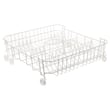
The most common GE dishwasher problem is a wash cycle that will not run correctly, usually showing up as not starting, not draining, or not cleaning well. On the GE GSD3360K70SS, these symptoms are most often tied to a door-latch issue, a drain restriction, or a wash/drain component problem such as the pump, drain solenoid, or spray arm.
Quick checks we recommend first
- Confirm the door closes firmly and stays latched (a weak latch can stop the cycle from running).
- Reset power at the breaker for 1 minute, then try a normal cycle.
- Check the tub bottom and sump area for debris that can block water flow.
- Inspect the drain path for kinks or clogs (sink/disposal connection and hose routing).
- Make sure the spray arms spin freely and the holes are not plugged.
- Use fresh detergent and avoid overloading, which can block spray.
Most common symptom-to-cause map
| Symptom | Most common cause | What to check next |
|---|---|---|
| Won’t start | Door not fully latched, timer/control issue | Latch feel, then consider dishwasher timer WD21X33641 |
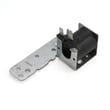
| Won’t drain | Clog, drain valve/solenoid not actuating | Hose routing, then GE dishwasher drain solenoid assembly WD21X10268 |
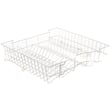
| Not cleaning | Poor spray, low circulation, blocked spray arm | Spray arm holes, then dishwasher spray arm WD22X10055 |
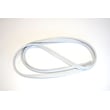
| Leaks | Door seal wear or misalignment | Door seal seating, then dishwasher door seal WD08X10057 |
Why these issues are so common
Dishwashers depend on three basics: the door must prove “closed,” water must circulate at high pressure, and used water must drain freely. A small restriction (food debris), a worn seal, or a weak drain actuator can interrupt the whole cycle and look like a bigger failure.
When a part replacement is the right next step
Replace parts when you see clear evidence of failure:
- Drain solenoid does not actuate during drain and the drain path is clear.
- Spray arm is cracked, warped, or the jets will not clear.
- Door seal is torn, flattened, or leaking at the corners.
- Timer stalls or the cycle never advances.
For model-specific troubleshooting steps and code meanings on GE units, use GE dishwasher error codes.
Last updated: February 2026
Is GE GSD3360K70SS considered high end?
GE GSD3360K70SS is generally considered a standard (not high-end) GE dishwasher. “High-end” in the GE lineup typically means premium series with more advanced wash systems, quieter operation, and upgraded controls; this model is usually positioned as a practical, serviceable unit.
What “high end” means for dishwashers
When customers say “high end,” they usually mean a dishwasher that delivers noticeable upgrades in these areas:
- Lower noise levels (quieter cycles)
- More wash options and better soil sensing
- Improved drying performance (often with enhanced heating or airflow)
- More flexible racks and premium rack hardware
- More electronic controls and diagnostics
How to judge your GSD3360K70SS by features you can see
Use these quick checks to place your dishwasher in the lineup:
- Controls: Basic mechanical timer or simpler control layout usually indicates standard tier.
- Cycle selection: Fewer cycles and fewer specialty options typically indicates standard tier.
- Rack design: If racks are simpler and less adjustable, it is usually not premium.
- Service parts: Standard-tier models often rely on common, replaceable components (pump, drain solenoid, timer).
Common “workhorse” parts that support long-term repairability
If you are evaluating value, repairability matters as much as “high end.” These model-matched parts are commonly replaced to keep performance strong:
- GE dishwasher pump and motor assembly WD26X10051
- GE dishwasher drain solenoid assembly WD21X10268
- Dishwasher timer WD21X33641
Quick comparison: standard vs high-end (typical)
| Category | Standard tier (typical) | High-end tier (typical) |
|---|---|---|
| Controls | Mechanical or basic electronic | Advanced electronic, more options |
| Noise | Noticeable | Quieter |
| Racks | Basic adjustability | More adjustability, premium hardware |
| Drying | Basic heated drying | Enhanced drying systems |
| Diagnostics | Limited | More built-in diagnostics |
Why it matters
If you want “high-end” results, the biggest day-to-day differences are usually noise, drying, and rack flexibility. If your goal is dependable cleaning at a reasonable repair cost, a standard GE model like GSD3360K70SS can still be a strong fit, especially when key components are maintained.
Last updated: February 2026
What is the average lifespan of a GE dishwasher?
A GE dishwasher typically lasts 10 to 12 years. With consistent cleaning and quick fixes for leaks, draining, or poor washing, many units reach 12 to 15 years. For your GE GSD3360K70SS, routine maintenance and replacing worn parts on time makes the biggest difference.
Typical lifespan and what changes it
Most dishwasher life expectancy comes down to water quality, how often it runs, and whether the wash and drain systems stay clear.
- Light use (few loads/week): often 12 to 15 years
- Daily use: commonly 10 to 12 years
- Hard water and heavy soil: can shorten life without regular cleaning
- Small leaks left unchecked: can damage the motor, wiring, and flooring
- Clogged spray or drain path: overworks the pump and motor
Maintenance that extends life (and prevents common failures)
These steps reduce strain on the circulation pump, drain system, and door seal.
- Scrape off heavy food soil before loading
- Run hot water at the sink before starting a cycle (improves wash performance)
- Clean the sump area and remove debris that can block flow
- Check spray arms for clogs and free spinning
- Inspect the door seal for flattening, tears, or gaps
- Fix draining issues quickly so the pump is not running against a blockage
Parts that commonly affect longevity on GSD3360K70SS
If performance drops, these are the types of parts we see tied to “end of life” symptoms, and replacing them can restore normal operation.
| Symptom | Common cause | Example part for this model |
|---|---|---|
| Not draining or leaving water | Drain valve/solenoid issue or restriction | GE dishwasher drain solenoid assembly WD21X10268 |
| Leaking at the door | Worn or deformed gasket | Dishwasher door seal WD08X10057 |
| Poor cleaning or weak spray | Clogged or worn spray arm | Dishwasher spray arm, lower WD12X10244 |
| Loud grinding or weak wash action | Worn pump components or motor wear | GE dishwasher pump and motor assembly WD26X10051 |
Why it matters
A dishwasher near the end of its lifespan often shows up as longer cycles, noisier operation, poor cleaning, or intermittent draining. Addressing those symptoms early usually prevents secondary damage to the pump, motor, and wiring.
For troubleshooting by fault or display behavior, use our GE dishwasher error codes.
Last updated: February 2026
Is it worth fixing a GE dishwasher?
Yes, it’s usually worth fixing a GE dishwasher when the repair is a common wear item and the total cost stays well below the price of a replacement. For your GE GSD3360K70SS, repairs like a drain issue, leak, or poor cleaning are often cost-effective if the tub and wiring are in good shape.
Quick rule of thumb we use
- Repair when the dishwasher is generally reliable and the fix is a single, clear failure (leak, drain, spray problem).
- Replace when there are multiple major failures, heavy rust, or repeated leaks that have damaged the base or wiring.
- Repair cost target: keep the total (parts + labor) under about 50% of a comparable new dishwasher.
Common “worth it” repairs on model GSD3360K70SS
These are frequent failure points that can restore normal operation without replacing the whole unit:
- Not draining: check the drain path and consider the GE dishwasher drain solenoid assembly WD21X10268
- Leaking at the door: replace the dishwasher door seal WD08X10057
- Poor cleaning or weak spray: inspect/replace the dishwasher spray arm WD22X10055 or dishwasher spray arm, lower WD12X10244
- Noisy wash or weak circulation: circulation components such as the dishwasher circulation pump WD19X10020 can be the fix
When replacement makes more sense
- The dishwasher is 10+ years old and needs a major drive component (pump and motor) plus additional parts
- The tub is rusted through, the racks are severely deteriorated, or there is evidence of chronic leaking
- You are facing repeated breakdowns (for example, drain problems plus wash motor issues plus door leaks)
Cost and impact comparison
| Situation | Typical outcome | Usually worth fixing? |
|---|---|---|
| Single leak at door seal | Stops water damage risk | Yes |
| Not draining due to drain actuator/solenoid | Restores normal cycle completion | Yes |
| Poor cleaning due to worn spray arm | Improves wash performance | Yes |
| Multiple major components failing | Higher total cost, more downtime | No |
Why it matters
A dishwasher that leaks or won’t drain can cause cabinet and flooring damage, while poor wash performance often comes down to a few serviceable parts (spray, drain, circulation). Fixing the right component first keeps the repair targeted and cost-effective.
Helpful troubleshooting resource
If your GE dishwasher is showing a code or behaving like an electronic fault, use our GE dishwasher error codes guide to narrow the failure before ordering parts.
Last updated: February 2026





