 Owner’s manual



What is the capacity of the wfmc3200uc?
The Bosch WFMC3200UC washer’s capacity is best expressed as its rated load size: it holds 17.6 lb (8 kg) of cotton laundry per the specifications in the WFMC3200UC manual. This model’s documentation does not list a cubic-feet tub volume.
What we can confirm for this exact model
In the Bosch WFMC3200UC documentation, capacity is provided as a weight rating rather than cubic feet.
- Rated load (cotton): 17.6 lb (8 kg)
- Capacity is tied to fabric type (cotton vs. delicates) and how full you load the drum
- Overloading can reduce cleaning performance and increase wrinkling
Why you may not see “cu. ft.” for this washer
Some washer listings use cubic feet, but Bosch often specifies capacity by kilograms/pounds of laundry for a given program type. For WFMC3200UC, the model-specific spec we can verify is the 8 kg cotton load.
Load guidance (practical use)
From the operating guidance in the manual, typical loading targets are:
- Full load: cotton and linens
- 1/2 load: permanent press, synthetics, knitwear
- 1/3 load: wool, delicates, silk
Quick reference table
| Capacity type | What it means | WFMC3200UC value |
|---|---|---|
| Rated load (by weight) | Max recommended laundry weight for a fabric/program type | 17.6 lb (8 kg) cotton |
| Tub volume (cu. ft.) | Physical drum volume used in some marketing specs | Not specified in model documentation |
Why it matters
Using the correct load size helps the washer tumble properly, rinse out detergent, and spin efficiently. If you routinely exceed the rated load, you can see poor cleaning, excess suds, and more vibration during spin.
Last updated: January 2026
Is it worth repairing a 10 year old Bosch washing machine?
Yes, a 10-year-old Bosch WFMC3200UC is often worth repairing if the problem is a single, common failure (leak, fill issue, vibration, door seal) and the washer is otherwise in good condition. If you are facing repeated breakdowns or major drive/tub damage, replacement usually makes more sense. For model-specific operating and care guidance, use the WFMC3200UC manual.
How we decide: repair vs replace
We recommend repairing when the washer has one clear symptom and the fix is a normal wear part or a straightforward service item.
Repair is usually a good value when:
- The washer completes cycles reliably and the issue is new
- The problem is a leak at the door seal, hose, or clamp
- The washer will not fill correctly (often a valve or hose issue)
- The washer shakes or bangs mainly during spin (often suspension related)
- You can address the issue with a single repair visit or DIY repair
Replacement is usually the better choice when:
- You have multiple symptoms at once (leaking plus no-spin plus error codes)
- The washer has frequent repeat failures within a year
- The repair involves major mechanical assemblies (tub/bearing type repairs)
- You see heavy corrosion, persistent burning smell, or severe noise that worsens quickly
Parts that commonly make a 10-year repair worthwhile (for this model)
If your WFMC3200UC is leaking, vibrating, or not filling, these model-matched parts are often involved:
| Symptom | Part to consider | What it does |
|---|---|---|
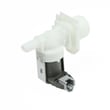
| Won’t fill or fills slowly | Magnet valve 00422244 | Controls cold water flow into the washer |
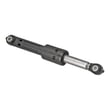
| Excessive vibration or banging | Damper 00642112 | Helps stabilize the tub during wash and spin |
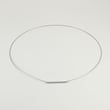
| Water leaking at the door area | Washer door boot 00246270 | Seals the door opening to prevent leaks |
Why it matters
A targeted repair can extend the useful life of a Bosch front-load washer and restore performance without the cost and hassle of replacement. The key is avoiding “stacked” repairs where multiple systems are failing at the same time.
Quick tip before you spend money
If the washer is showing a fault code, check Bosch nexxt front load washer error codes first; it can help you confirm whether you are dealing with a fill, drain, door lock, or motor-related issue before ordering parts.
Last updated: January 2026
What is the lifespan of a Bosch washing machine?
A Bosch washing machine typically lasts 10 to 14 years with normal household use and basic maintenance. For your Bosch WFMC3200UC, lifespan is driven less by the model number and more by installation, load habits, detergent choice, and how quickly small issues are corrected (leaks, vibration, drainage).
What helps a WFMC3200UC last longer
We recommend focusing on the items below because they reduce wear on the motor, bearings, suspension, and door seal.
- Use HE detergent and avoid oversudsing (suds can cause longer cycles and extra strain)
- Do not overload; follow the load guidance in the WFMC3200UC manual
- Keep the door slightly open between loads to help the tub and boot dry
- Level the washer carefully to reduce vibration and “walking”
- Check hoses and connections periodically for seepage or drips
- Address unusual noises early (grinding, banging, squealing)
Common “end of life” symptoms (and what they usually point to)
These symptoms often show up late in a washer’s life, but they can also be repairable depending on what failed.
| Symptom | What it often indicates | What to do next |
|---|---|---|
| Loud vibration or banging in spin | Suspension or mounting wear, leveling issue | Re-level; inspect shock/suspension parts such as damper 00642112 |
| Water leaking at the door | Door boot wear or clamp issue | Inspect the boot and clamps; consider washer door boot 00246270 |
| Slow fill or fill errors | Inlet valve or supply restriction | Check screens and hoses; test valves like magnet valve 00422244 |
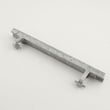
| Door won’t close or feels loose | Hinge wear or alignment | Inspect hinge hardware such as washer door hinge 00651004 |
Why it matters
Knowing the typical 10 to 14 year lifespan helps you decide whether to invest in a repair (like a valve, boot, or damper) versus planning for replacement, especially if multiple issues are happening at once.
Last updated: January 2026
What is the most common problem with a Bosch washing machine?
For the Bosch WFMC3200UC, the most common problems we see are won’t drain, won’t fill, and excessive vibration during spin. These issues are often tied to loading and leveling, oversudsing, or wear in water valves, hoses, and suspension parts described in the WFMC3200UC manual.
Most common problems (and what they look like)
- Washer won’t drain or drains slowly: water left in the drum, stopping before spin
- Washer won’t fill or fills slowly: little to no water entering, long fill times
- Excessive vibration or “walking”: banging during spin, especially with bulky items
- Door-area leaks: water at the front of the washer, damp door opening
- Poor spin: clothes come out wetter than normal (often from an unbalanced load)
Parts that commonly relate to these symptoms on WFMC3200UC
If troubleshooting points to a component, these model-matched parts are commonly involved:
| Symptom | Part for this model | What it does |
|---|---|---|
| Won’t fill / slow fill | Magnet valve 00422244 | Controls water flow into the washer |
| Won’t fill / wrong temp | Washer hot water inlet valve 00422245 | Controls hot water flow into the washer |
| Leaks at the door | Washer door boot 00246270 | Seals the door opening to prevent leaks |
| Excessive vibration | Damper 00642112 | Helps stabilize the tub during wash and spin |
Quick checks that solve many “common problems”
- Use HE detergent and measure carefully to prevent oversudsing
- Confirm both supply valves are fully open; check for kinked hoses
- Re-load for balance (mix small and large items; avoid one heavy item alone)
- Level the washer on a solid floor (front-loaders are sensitive to leveling)
- If you see a code, match it to the symptom before replacing parts
Why it matters
Addressing fill, drain, and vibration issues early helps prevent secondary problems like leaks, repeated out-of-balance spins, and longer cycle times.
For code-based troubleshooting on Bosch Nexxt-style washers, use Bosch nexxt front load washer error codes.
Last updated: January 2026


