Installation guide
 Owner’s manual
 Error Codes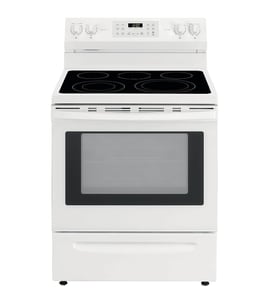


What material is C2S950P2M1S1 made of?
The GE C2S950P2M1S1 dual fuel range uses a mix of materials rather than one single material. In most installations, you can expect a stainless steel exterior with cast-iron grates and a porcelain-coated oven cavity; confirm the exact finish and component materials in the C2S950P2M1S1 owner’s manual.
What’s typically made from what
These are the most common materials used on ranges like the GE C2S950P2M1S1:
- Exterior panels and door trim: stainless steel or painted steel (varies by finish)
- Cooktop grates: cast iron
- Burner caps and heads: metal alloys (often coated for heat and corrosion resistance)
- Oven cavity: porcelain enamel over steel
- Oven door window: tempered glass
- Handles and knobs: metal or metal-plated components (finish-specific)
How to confirm the exact materials on your unit
Because finishes and trim packages can vary, we recommend checking the documentation and then verifying visually.
- Check the features/cleaning sections in the C2S950P2M1S1 owner’s manual
- Compare the handle finish to your order or spec sheet (stainless, bronze, brass, etc.)
- Lift off a grate and look for cast-iron weight and texture
- Inspect the oven interior for a smooth, glossy porcelain enamel surface
- If you are matching a cosmetic part, use the model number C2S950P2M1S1 when selecting parts
Common material clues (quick reference)
| Component | What you’ll notice | What it usually indicates |
|---|---|---|
| Grates | Heavy, matte, slightly textured | Cast iron |
| Oven interior | Smooth, glassy coating | Porcelain enamel on steel |
| Door window | Clear, rigid glass panel | Tempered glass |
| Exterior | Brushed metallic look | Stainless steel finish |
Why it matters
Material affects cleaning methods, scratch resistance, and which replacement parts match your finish. For example, stainless steel needs non-abrasive cleaners, while porcelain enamel can chip if struck or scrubbed with harsh abrasives.
Last updated: January 2026
What is a C2S950P2M1S1 commonly used for?
The GE C2S950P2M1S1 dual fuel range is commonly used for everyday home cooking on gas surface burners and baking, broiling, and self-cleaning in the oven. It is designed to handle routine meals plus higher-heat tasks like searing and roasting.
Common uses in the kitchen
- Boiling, simmering, and sautéing on the surface burners
- High-heat searing and stir-frying (fast flame response)
- Baking and roasting in the oven for even, consistent results
- Broiling meats and vegetables
- Using self-clean to burn off baked-on oven soils (follow safety steps)
Features that support those uses
Dual fuel ranges combine a gas cooktop with an electric oven. That setup is popular because gas gives quick, visible flame control on top, while electric ovens typically provide steady heat for baking.
| Cooking task | What you use most | Why it fits |
|---|---|---|
| Weeknight stovetop meals | Surface burners | Quick heat changes for simmer to boil |
| Baking cookies, cakes | Oven bake | Stable oven temperature |
| Roasts and casseroles | Oven bake | Consistent heat over longer cook times |
| Finishing and browning | Broil | Intense top heat |
Setup and operation tips that matter
- Install the anti-tip device and keep leveling legs engaged for safety
- If you live above 6,000 ft, use the correct high-altitude conversion kit for your gas type
- For propane conversion, have a qualified installer perform the conversion
- Use the correct grate placement so cookware sits stable
For model-specific operating guidance, cooking modes, and safety instructions, use the C2S950P2M1S1 owner’s manual. For clearances, leveling, anti-tip installation, and gas conversion details, use the C2S950P2M1S1 installation guide.
Why it matters
Using the right cooking mode and installing the range correctly improves cooking results, helps prevent uneven baking, and reduces safety risks (especially tipping and gas conversion issues).
Last updated: January 2026
What are common problems with GE Cafe ranges?
Common issues we see on GE Café ranges like model C2S950P2M1S1 include uneven or weak surface-burner flames from clogged ports or mis-seated burner caps, ignition trouble from dirty electrodes, and oven temperature complaints tied to sensor or control problems. Use the C2S950P2M1S1 owner’s manual troubleshooting chart to narrow the cause.
Most common symptoms (and what they usually mean)
- Top burners do not burn evenly: burner cap not seated correctly or burner slots clogged
- Burner won’t light or clicks repeatedly: food residue or grease around the electrode or lighter port
- Very large or yellow flames: air-to-gas ratio issue (often after LP conversion or installation setup)
- Oven temperature seems off: temperature sensor drift, airflow issues, or control calibration needed
- Door glass looks tinted or “rainbow”: normal heat-barrier coating on the inner glass
Quick checks you can do safely
- Turn the burner off and let everything cool.
- Remove grates, burner caps, and burner heads; clean ports/slots and dry fully.
- Reinstall parts carefully so caps sit flat and centered.
- If ignition is weak, lightly polish the electrode tip (a small nail file works) and wipe away debris.
- If flames are yellow/oversized, stop using that burner and verify the gas type and conversion setup.
Parts that commonly relate to these problems
| Symptom | Likely area | Example part for C2S950P2M1S1 |
|---|---|---|
| Uneven flame | cap/head/base alignment or clog | Range surface burner cap WB28K10222 |
| Oven temp inaccurate | temperature sensing circuit | GE wall oven temperature sensor WB23X5340 |
| Ignition issues across burners | ignition control | Module spark WB27X28838 |
Why it matters
Burner flame quality and ignition reliability affect cooking performance and safety. A simple cleaning and correct burner assembly often fixes uneven flames, while persistent yellow flames point to a setup issue that should be corrected before continued use.
Last updated: January 2026