Owner’s manual



What are common Electrolux dryer problems?
Common problems on the Electrolux EFDE317TIW3 dryer include not starting, long dry times or overheating from restricted airflow, and noise or no-tumble issues from worn drive components. Many symptoms trace back to lint buildup, venting problems, or a tripped safety device; see the EFDE317TIW3 owner's manual for model-specific troubleshooting steps.
Most common symptoms and what they usually mean
- Dryer will not start: loose power cord, tripped breaker, door not fully closed, or a tripped thermal limiter
- Takes too long to dry, cabinet feels hot, or smells hot: clogged lint filter, restricted exhaust duct, or improper vent material/length
- No heat or heat cuts out mid-cycle: airflow restriction causing overheating protection to trip; temperature-sensing parts can also be involved
- Squealing, thumping, or rumbling: worn belt, idler, or drum support rollers
- Wrinkles, static, or excess lint: over-drying, overloading, or starting a cycle with a dirty lint screen
Quick checks we recommend first (fast, high-impact)
- Clean the lint filter before every load (this is a safety and performance must).
- Confirm airflow: the exhaust duct should be 4-inch diameter rigid or semi-rigid metal, and the outside hood should open freely.
- Avoid overloading: most loads should fill the drum about 1/3 to 1/2 full so items tumble and dry evenly.
- If the dryer will not start: verify the plug is seated firmly, reset the breaker, and press Start with a bare fingertip (for touch controls).
- If you hear squealing: inspect the belt path and idler area; a worn idler can let the belt slip and chirp.
Parts that commonly fix noise or no-tumble complaints
If the drum is not turning or the dryer is noisy, these model-compatible parts are common fixes:
| Symptom | Likely wear item | Example part on this model page |
|---|---|---|
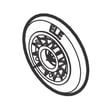
| Squealing or belt slipping | Idler pulley assembly | Dryer idler assembly 134793511 |
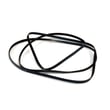
| Drum not turning | Drum belt | White-westinghouse dryer drum belt 134719300 |
| Thumping/rumbling | Drum support rollers | Dryer drum support roller 5304523152 |
Why it matters
Most “dryer problems” are really airflow and maintenance problems. Good venting and a clean lint filter reduce dry time, prevent overheating shutdowns, and help protect temperature controls like the thermistor and high-limit thermostat.
Last updated: February 2026
What is the life expectancy of an Electrolux dryer?
An Electrolux dryer like model EFDE317TIW3 typically lasts 13 years with normal household use and routine maintenance. Keeping airflow strong (clean lint system and venting) and fixing wear items early helps you reach that full service life; see the EFDE317TIW3 owner's manual for care and cleaning details.
Typical lifespan and what affects it
Most dryers reach their expected life based on heat, airflow, and mechanical wear.
- Vent restriction (lint buildup, crushed duct) raises heat and shortens component life
- Overloading strains the drum belt, idler, and drum rollers
- High-heat cycles used constantly increase thermal stress
- Infrequent cleaning lets lint collect in the lint chute and blower area
- Delayed repairs turn small noises into bigger failures
Parts that commonly wear first
If your dryer still heats but squeals, thumps, or stops tumbling, these are common wear points for EFDE317TIW3:
- White-westinghouse dryer drum belt 134719300
- Dryer idler assembly 134793511
- Dryer drum support roller 5304523152
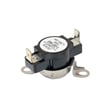
- Dryer inlet thermal limiter 137032600
- Kenmore dryer thermistor 134711300
Quick “age vs. symptoms” guide
| What you notice | Most common cause | What to check first |
|---|---|---|
| Squealing or chirping | Idler or roller wear | Belt path, idler pulley, rollers |
| Thumping | Flat-spotted roller | Rollers and drum support |
| Runs but poor drying | Airflow restriction | Lint screen, lint chute, vent duct |
| Shuts off or overheats | Overtemp protection opening | Venting, thermal limiter, high-limit thermostat |
Why it matters
A dryer’s expected life is usually limited by airflow and friction. Good airflow keeps temperatures stable, and smooth drum support reduces load on the motor and belt. That combination is what gets you to the typical 13-year lifespan.
For model-specific operating and cleaning intervals, follow the EFDE317TIW3 owner's manual.
Last updated: February 2026
Why does the Electrolux dryer take so long?
If your Electrolux EFDE317TIW3 dryer takes a long time to dry, the most common cause is restricted airflow (lint screen, lint housing, or vent duct). The EFDE317TIW3 owner's manual also notes that high humidity, improper venting, and using 208V power can extend drying time.
Quick checks that fix most “takes too long” complaints
- Clean the lint screen before or after every load.
- Check the outside vent hood; make sure the damper opens fully and lint is not blocking it.
- Inspect the entire exhaust run for kinks, crushed sections, or heavy lint buildup.
- Confirm the vent duct is 4-inch diameter rigid or semi-rigid metal, not plastic or foil.
- Avoid overloading; heavy, tightly packed loads dry much slower.
- If the load is very small or nearly dry, use Time Dry instead of Auto Dry (sensors can end cycles early or behave inconsistently on tiny loads).
Venting and environment factors (what the manual calls out)
Drying time increases when venting requirements are not met, when the outside exhaust is restricted, or when room humidity is high. Electric models running on 208V typically dry about 20% longer than on 240V.
Airflow checklist
| What to check | What “good” looks like | What causes long dry times |
|---|---|---|
| Lint screen | Clear mesh, water passes through | Film from dryer sheets, heavy lint |
| Exhaust duct | 4-inch rigid/semi-rigid metal | Crushed, too long, clogged |
| Outside hood | Flapper opens strongly | Weak airflow, lint-packed hood |
When a part is likely involved
If airflow is good and cycles still run long or the cabinet feels unusually hot, a temperature-sensing or overheat-protection part can be involved.
Common suspects for this model include:
- Dryer high-limit thermostat 3204267
- Dryer inlet thermal limiter 137032600
- Dryer thermistor 134711300
Why it matters
Poor airflow makes the dryer run hotter and longer, wastes energy, and can trip safety thermostats. Keeping the lint path and venting clear restores normal cycle times and helps protect key components like the drive motor and control.
Last updated: February 2026