Owner’s manual


Is there a better mixer than KitchenAid?
For many home bakers, a KitchenAid stand mixer like model KP26M1XER5 is already a top-tier choice; “better” usually means a mixer that matches your specific workload (heavy bread dough, large batches, or frequent daily use) and has the features you value most. For KP26M1XER5 owners, correct speed use and capacity limits often matter more than switching brands; see the owner's manual for the recommended dough speed and flour limits.
What “better” means for your baking
Different stand mixers excel at different jobs. Before comparing brands, we recommend matching the mixer to your most common tasks:
- Heavy yeast doughs (bagels, pizza, multiple loaves): prioritize torque and proper low-speed kneading
- Cakes and cookies: prioritize consistent creaming and speed control
- Large batches: prioritize bowl capacity and stability
- Frequent use: prioritize serviceable gears, bearings, and readily available parts
KP26M1XER5 performance tips that often solve the “I need a better mixer” problem
Many “not strong enough” complaints come from speed and load issues, not the motor itself.
- Use Speed 2 for kneading yeast dough; higher speeds increase the risk of failure
- Expect shorter mixing times than many recipes call for; overmixing is common
- Do not scrape the bowl while running; stop the mixer first
- If the mixer warms up under heavy loads, that is normal during extended mixing
Dough capacity guidance (from the manual)
| Mixer size | All-purpose flour limit | Whole-wheat flour limit |
|---|---|---|
| 6-qt mixer | 14 cups | 8 cups |
| 5-qt mixer | 12 cups | 6 cups |
When upgrading brands makes sense
Upgrading can be worthwhile if you regularly:
- Mix very stiff doughs in large quantities
- Run long kneading sessions back-to-back
- Need a different bowl/drive design for specialty dough handling
Why it matters
Choosing the right mixer is about protecting the drivetrain and getting consistent results. Using the correct kneading speed and staying within flour limits helps your KP26M1XER5 run smoother, mix more evenly, and avoid premature gear or control wear.
Last updated: February 2026
Are old KitchenAid mixers worth anything?
Yes. Older KitchenAid stand mixers often hold real resale value, especially when they still run smoothly and include the bowl and attachments. For your KitchenAid KP26M1XER5 bowl-lift mixer, condition, completeness, and how well it maintains speed under load matter more than age alone.
What drives the value most
- Working condition: steady speeds, no burning smell, no excessive sparking
- Mechanical health: quiet gear train, no grinding, no oil or grease leaking
- Cosmetics: clean housing, intact trim, minimal dents or corrosion
- Completeness: bowl, flat beater, dough hook, wire whip, pouring shield
- Service history: recently cleaned and regreased gearcase, adjusted beater-to-bowl clearance
Quick condition check (5 minutes)
Use this checklist before you price or buy:
- Run the mixer through all speeds; it should not surge or stall.
- Listen for clicking or grinding (often points to worn gears).
- Check for grease seepage around the planetary area.
- Confirm the bowl locks in firmly and the lift mechanism feels solid.
- Verify the beater clears the bowl properly (not scraping).
Common repairs that affect resale
If the mixer struggles to hold speed, smells hot, or only runs on certain settings, these parts are often involved:
| Symptom | Common cause | Example part for KP26M1XER5 |
|---|---|---|
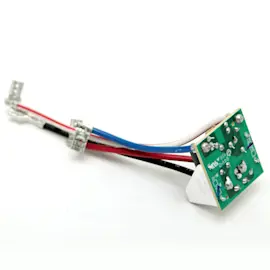
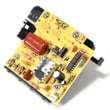
| Speeds jump, cut out, or only work on some settings | Speed control issue | Stand mixer speed control board and knob (black) WP9706648 |
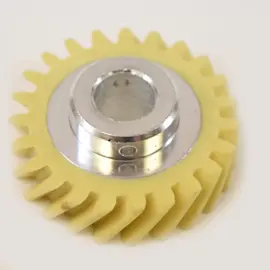
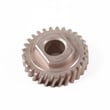
| Loud grinding, poor power under load | Worn gear in drive train | Stand mixer worm follower gear W11086780 |
| Grease leak after storage or heavy use | Sealing surfaces need service | Seal WP9706247 |
Why it matters
A vintage or older mixer is worth more when it is dependable for kneading and mixing, not just collectible. Buyers pay for a machine that holds speed, runs quietly, and does not leak grease because those are the signs the motor and gearcase are in good shape.
For model-specific use and care guidance (including speed use and maintenance basics), follow the KP26M1XER5 owner's manual.
Last updated: February 2026
Are older KitchenAid mixers better?
Older KitchenAid stand mixers are not automatically “better,” but many people prefer them because they tend to be simpler to service and feel more mechanically robust. For your KitchenAid KP26M1XER5, long life comes from correct use, proper speed selection, and replacing worn drive or control parts when symptoms show up (see the KP26M1XER5 owner's manual).
What “better” usually means for stand mixers
When customers compare older vs. newer mixers, they are usually talking about these factors:
- Repairability: simpler designs can be easier to diagnose and rebuild
- Durability under heavy dough loads: depends on use habits and gear condition
- Speed consistency: depends on the speed control system and motor health
- Parts availability: being able to replace common wear items matters more than age
- Heat management: warming during heavy mixing is normal, but overheating is a red flag
How to judge your KP26M1XER5 by symptoms (not age)
Use this quick checklist to decide whether your mixer is performing like it should:
- Runs smoothly across speeds without surging
- Maintains speed under load (for example, kneading dough)
- No grinding, clicking, or metal-on-metal sounds
- No grease leaking into the bowl area
- Attachments and bowl lift feel tight and aligned
Common “older is better” complaints and the likely fix
| Symptom | What it often points to | Example part to check |
|---|---|---|
| Speeds jump, stall, or won’t change | Speed control issue | Stand mixer speed control board and knob (black) WP9706648 |
| Loud grinding under load | Worn gear in the drive train | Stand mixer worm follower gear W11086780 |
| Oil/grease seepage | Seal or gasket wear | Seal WP9706247 or gasket WP9709511 |
Why it matters
A stand mixer’s “quality” shows up in how it handles load and how easily you can restore performance. Your KP26M1XER5 is designed to mix faster than many mixers, so using the right speeds and avoiding overbeating helps protect gears, the motor, and the speed control system.
Last updated: February 2026
What is the new color 2025 KitchenAid?
KitchenAid does not use the KP26M1XER5 stand mixer manual to announce any “new color for 2025.” For your KitchenAid KP26M1XER5, the reliable way to identify the correct color and finish is to match your model and then choose color-specific exterior parts by their listed color name.
How to identify the correct color for your KP26M1XER5
Use your mixer’s identification label and the model documentation to avoid ordering the wrong cosmetic part.
- Confirm the model number on the label is KP26M1XER5
- Use the diagrams and part descriptions in the KP26M1XER5 owner's manual
- When replacing exterior pieces, match the color shown in the part name (example: “black Onyx,” “pistachio,” “tangerine”)
- For internal repairs (gears, bearings, seals), color is not a factor
- If you are changing the look, replace all visible pieces in the same finish so they match
Color-specific vs. non-color-specific parts
Many KP26M1XER5 parts are purely functional, but some are finish-specific.
| Part category | Color/finish matters? | Examples from this model’s parts list |
|---|---|---|
| External housings and trim | Yes | Column, base, housing |
| Gearcase exterior pieces | Yes | Lower gearcase variants |
| Drive and electrical parts | No | Motor, gears, control board |
Examples of finish-specific parts on this model
If you are repairing cracks, dents, or worn paint, choose the part that lists your finish.
- Stand mixer gear housing, lower (black onyx) 9706311
- Lower gearcase (pistachio), lower gearcase (matte Vintage Blue), column (tangerine)
- Planetary color variants (when listed)
Why it matters
KitchenAid color announcements are marketing details; correct parts selection for the KP26M1XER5 depends on matching the exact model and then selecting cosmetic parts by finish name, while performance repairs depend on functional components.
Last updated: February 2026