



How do I tell what model my Kenmore dryer is?
Your Kenmore dryer’s model number is printed on the appliance’s ID label; for Kenmore electric dryers like model 11076570110, it’s most often found around the door opening or on the cabinet frame just inside the door. Once you have that full number, we can match the correct parts and diagrams.
Where to look for the model number label
Check these common spots in this order:
- Inside the dryer door opening on the cabinet frame (most common)
- On the back panel of the dryer cabinet
- Along the door opening edge near the door switch area
- Near the lint screen opening (some designs place the label close by)
- On the lower front area behind the toe panel (if your dryer has one)
What the model number should look like (and what to write down)
For Kenmore, the model number is usually a long number string. For this dryer page, the full model number is 11076570110.
| What to capture | Example | Why it matters |
|---|---|---|
| Model number | 11076570110 | Ensures parts fit your exact dryer |
| Serial number | (varies) | Helps identify production run for some part changes |
| Type | Electric dryer | Confirms heating and wiring style |
Why it matters for parts and troubleshooting
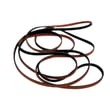
Kenmore model numbers can look similar, and a single digit difference can change the drum belt, heater, or door hardware that fits. When you confirm the exact model, you can confidently choose parts like the drum belt 341241 or the heater element WP4391960 for Kenmore 11076570110.
Quick tips to avoid mix-ups
- Copy the model number exactly as printed (no spaces)
- Use the full number, not just the first three digits
- If the label is worn, take a clear photo and zoom in to confirm characters
Last updated: February 2026
How much does it cost to replace a heating element in a Kenmore dryer?
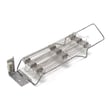
For Kenmore electric dryer model 11076570110, the replacement cost is the price of the heating element plus either your time (DIY) or a technician’s service call and labor. For this model, the heating element part is heater element WP4391960.
Typical cost ranges (what you’re paying for)
- Heating element part: typically $20 to $100+ depending on whether it’s element-only or a larger heater assembly
- Service call/diagnostic (if hiring out): typically $75 to $150
- Labor: typically 0.5 to 1.5 hours
- Common professional total (part + labor): typically $100 to $350
| Repair approach | Includes | Typical total |
|---|---|---|
| DIY | Part only (plus basic tools) | $20 to $100+ |
| Professional repair | Part + service call + labor | $100 to $350 |
What changes the price the most
- Element style: element-only vs. heater assembly with housing
- What caused the failure: restricted venting can overheat and shorten element life
- Extra parts needed: a no-heat diagnosis sometimes also involves a thermostat or thermal cutoff
Parts often checked with a no-heat complaint
A dryer that tumbles but won’t heat is often the heater, but techs also test safety thermostats and airflow.
- Thermostat 279054
- Thermostat WP694674
- Lint buildup in the lint chute and exhaust ducting
Why it matters
If the vent is restricted, a new heating element can fail early and drying times stay long. Fixing airflow and confirming proper power supply helps the repair last.
Related DIY help
If your Kenmore dryer shows an error code, use Kenmore 110 series electronic control model dryer error codes to narrow the diagnosis before buying parts.
Last updated: February 2026
What size is a Kenmore Model 11076570110 dryer?
Kenmore electric dryer model 11076570110 is a standard full-size, 27-inch class dryer. For planning a tight laundry space, most dryers in this class fit a 27-inch wide opening and stand about 43 to 44 inches tall; depth varies most once you include the vent elbow and power cord.
Typical size you can plan around
Use these as practical planning numbers for a Kenmore 110-series electric dryer footprint:
- Width: about 27 inches
- Height: about 43 to 44 inches (leveling legs can change this slightly)
- Cabinet depth: commonly 27 to 29 inches
- Installed depth: commonly 30 to 35 inches (adds vent and cord clearance)
- Front clearance: allow room for door swing and loading
| What you’re measuring | Typical range | What changes it most |
|---|---|---|
| Cabinet width | ~27 in. | Side panel design |
| Overall height | ~43 to 44 in. | Leveling legs, top panel |
| Cabinet depth | ~27 to 29 in. | Console shape, rear panel |
| Installed depth | ~30 to 35 in. | Vent elbow, cord routing |
How we recommend measuring (fast and accurate)
Measure your actual unit and the space so you do not get surprised by depth:
- Measure the dryer cabinet: width, height, depth (not including the vent hose)
- Measure the laundry opening: wall-to-wall width and floor-to-shelf height
- Add 3 to 6 inches behind the dryer for the vent connection and cord
- Confirm the vent path is not crushed; restricted airflow causes long dry times
- If you’re also servicing the dryer while measuring, inspect the belt and drum support parts such as the drum belt 341241
Why it matters
Dryer “size” problems almost always come from installed depth. A dryer that fits on paper can still stick out too far once the exhaust vent and power cord are connected.
Related DIY help
For airflow and venting best practices, use: how to use your clothes dryer efficiently.
Last updated: February 2026
Where is the part number on a Kenmore dryer?
On Kenmore dryer model 11076570110, the model and serial information (often called the “ID tag”) is typically found on the dryer cabinet opening, most commonly just inside the door. That tag is where you’ll find the model number and serial number used to look up the correct parts.
What to look for on the ID tag
The label usually includes several identifiers; here’s what each one is used for:
- Model number: the most important detail for matching parts (example: 11076570110)
- Serial number: helps identify production run details
- Type or electrical rating: may list volts/amps for an electric dryer
- Manufacturing code/date: sometimes shown as a code rather than a clear date
Common places to check
If you do not see the tag immediately inside the door, check these other common locations:
- Along the inside door frame (cabinet front opening)
- On the back panel of the dryer cabinet
- Inside the lower front access area (behind a small panel on some designs)
- Along the side of the door opening near the latch area
“Part number” vs. “part ID” vs. “model number”
When customers say “part number,” they often mean one of these. This quick guide helps you match the right thing:
| What you have | Where you’ll find it | What it’s for |
|---|---|---|
| Model number (11076570110) | ID tag on the dryer | Identifies the exact dryer version |
| Manufacturer part number (example: 349533) | Printed on the part or part packaging | Identifies the replacement part |
| Sears PartsDirect part ID (example: 341241) | On the parts listing | Helps you select the correct listing |
Why it matters
Kenmore dryers can look similar across multiple series, but internal parts (like the drive belt, heating element, or motor) can differ by model. Using the ID tag model number prevents ordering the wrong component.
Helpful example part reference
If you’re confirming a common wear item for this model, the drum belt 341241 is one example of a part listing tied to this dryer.
Last updated: February 2026





