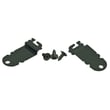
Installation guide
 Owner’s manual


Are KitchenAid appliances high end?
KitchenAid is widely considered a premium (high-end) home appliance brand, especially for built-in kitchen products like the KitchenAid dishwasher model KDTM404EBL2. In general, KitchenAid focuses on higher-grade materials, quieter operation, and more feature-rich designs than many entry-level brands.
What “high end” usually means for a dishwasher
When customers call a dishwasher “high end,” they typically mean it delivers strong cleaning performance with premium build quality and convenience features.
Common high-end traits include:
- Stainless steel tub construction and solid door feel
- Quieter wash cycles compared with basic models
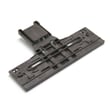
- More flexible rack systems and adjustability
- Better drying performance when using heated dry options
- More advanced sensors and cycle options
How to judge your specific KitchenAid model
The best way to confirm what makes KDTM404EBL2 “premium” is to compare its features and installation requirements to your kitchen and usage needs.
Use these references:
- Check the feature list, cycle options, and care guidance in the KDTM404EBL2 owner’s manual
- Confirm cabinet opening and fit requirements in the KDTM404EBL2 installation guide
Quick comparison: where KitchenAid typically fits
| Brand tier (typical) | What you usually get | Who it fits |
|---|---|---|
| Entry-level | Basic cycles, fewer adjustments | Light use, lowest cost |
| Mid-range | More cycles, better racks | Most households |
| Premium (KitchenAid is commonly here) | Quieter builds, more features, stronger materials | Heavy use, performance-focused |
Why it matters
“High end” is most valuable when you care about daily usability: quieter operation, better rack flexibility, and long-term serviceability. If you plan to keep the dishwasher for years, having readily available replacement parts (like a dishwasher water inlet valve W11175771 or dishwasher door latch WPW10653840) also supports long-term ownership.
Last updated: January 2026
How to force reset a KitchenAid dishwasher?
To force reset your KitchenAid dishwasher model KDTM404EBL2, cancel the current cycle and let the dishwasher run its short drain and reset routine. If the controls stay unresponsive, power-cycle the unit briefly, then restart a new wash cycle using the steps in the KDTM404EBL2 user guide.
Quick reset options (try in this order)
- Press Cancel/Drain (or Cancel) once; wait for the drain/reset to finish.
- If the dishwasher is stuck, turn power off at the breaker for about 1 minute, then restore power.
- Close the door firmly and latch it; many “won’t start” issues are simply a door not fully latched.
- Start the shortest wash cycle and let it run.
- After about 2 minutes, unlatch the door, wait 5 seconds, then open it and confirm there is water in the bottom of the tub.
What to check if it still will not reset or start
These checks match the most common “has power but won’t run” causes:
- House power: breaker tripped or fuse blown
- Door latch: door closes tightly and latches (a worn latch can prevent starting)
- Cycle selection: cycle set correctly and Start pressed
- Water supply: water turned on at the shutoff valve
If the door will not stay in position (drops open or slams shut), adjust door spring tension using the steps in the KDTM404EBL2 installation guide.
Parts that commonly relate to “won’t start” symptoms
| Symptom | Likely area | Example part for KDTM404EBL2 |
|---|---|---|
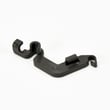
| Won’t start unless you lift/push door | Door latch not engaging | Dishwasher door latch WPW10653840 |
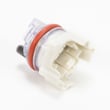
| Starts but fills slowly or not at all | Water inlet issue | Dishwasher water inlet valve W11175771 |
Why it matters
A proper reset clears a stuck cycle and lets the control run its normal start checks (door latch, fill, and drain). That prevents repeat stoppages and helps you pinpoint whether the issue is power, water supply, or a component such as the latch or inlet valve.
Last updated: January 2026
What is the most common problem with KitchenAid dishwashers?
The most common KitchenAid dishwasher problems are drainage issues, poor cleaning, and not starting. On the KitchenAid KDTM404EBL2, these symptoms usually trace back to a clogged drain path, a restricted spray system, or a door latch or fill problem that prevents the cycle from running normally. See the KDTM404EBL2 installation guide for key drain, water, and electrical requirements that affect day-to-day operation.
Most common symptoms and what they usually mean
- Dishwasher won’t drain: drain hose routing, air gap or disposer plug, or a blockage in the sump area.
- Dishwasher not cleaning well: spray arm holes clogged, overloaded racks, or low water temperature.
- Dishwasher won’t start: door not latching, control lock settings, or power supply issue.
- Dishwasher not filling: water supply valve closed, inlet screen restricted, or inlet valve problem.
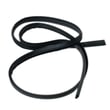
- Leaks: door seal area not sealing, tub edge debris, or hose connection seepage.
Quick checks we recommend first (fast, no parts)
- Confirm the door closes firmly and the latch engages.
- Run hot water at the sink for 30 to 60 seconds before starting a cycle.
- Check the drain hose for kinks and make sure it has a proper high loop.
- Clean the filter area and inspect the lower spray arm for clogged jets.
- Try a normal cycle with a quality detergent and no oversized items blocking the dispenser.
Parts that commonly solve these problems on KDTM404EBL2
| Symptom | Common part to inspect | What it affects |
|---|---|---|
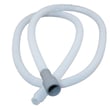
| Won’t drain or drains slowly | Dishwasher drain hose 8269144A | Kinks, restrictions, or improper routing can stop draining |
| Won’t fill or fills poorly | Dishwasher water inlet valve W11175771 | Controls water entering the tub |
| Won’t start or stops mid-cycle | Dishwasher door latch WPW10653840 | Prevents operation if the door switch does not prove “closed” |
| Not drying | Element assembly W10703867 | Provides heat for drying and helps water evaporate |
Why it matters
These “common problems” are often installation-related or maintenance-related, not major failures. A correct drain setup, steady water supply, and a solid door latch signal prevent many no-start and no-drain complaints and help the wash system perform as designed.
Last updated: January 2026