Owner’s manual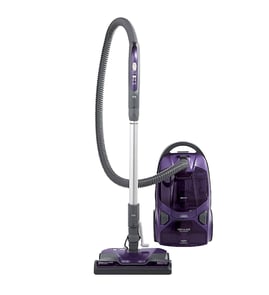
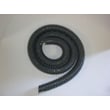
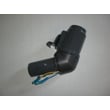

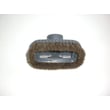
Are Kenmore canister vacuums good?
Yes. Kenmore canister vacuums are known for strong suction, good floor-to-floor cleaning, and practical features like adjustable wands and onboard attachments; for Kenmore model 11625615504, our 11625615504 owner's manual also emphasizes safe operation and routine maintenance for consistent performance.
What “good” usually means for a canister vacuum
A good canister vacuum typically balances cleaning power, usability, and upkeep.
- Strong suction for carpet and hard floors
- Easy maneuvering (canister rolls while the wand reaches under furniture)
- Useful attachments for stairs, upholstery, and edges
- Straightforward maintenance (bags, filters, belt, and brush care)
- Durable hose, wand, and power nozzle connections
Model 11625615504 features that support everyday cleaning
Based on the manual content for this Kenmore canister vacuum, these are practical, real-world advantages:
- Adjustable wand length to fit your height and reach
- Swivel on the Power-Mate to help reach farther under low furniture
- Serviceable wear items (bags, filters, belts, and bulbs) designed to be replaced as they wear
Quick “good fit” checklist
| Your home needs | A Kenmore canister vacuum is a good choice when you want | What to plan for |
|---|---|---|
| Mixed flooring | One vacuum for rugs and hard floors | Correct floor setting and tool selection |
| Tight spaces | Better reach under beds/sofas | Keep the wand and hose connections snug |
| Pet hair and lint | Strong pickup with the right nozzle/brush | More frequent bag and filter changes |
What to do to keep performance “good” over time
Most complaints about weak suction or poor pickup come from maintenance items, not the motor.
- Replace the vacuum bag before it overfills
- Change or clean filters on schedule
- Check the power nozzle belt if brush roll action drops
- Clear clogs from the hose, wand, and nozzle
- Follow the safety and operating steps in the 11625615504 owner's manual
Why it matters
A canister vacuum can clean extremely well, but only if airflow stays high. Bags, filters, and brush roll drive cleaning results; keeping those items maintained protects suction and helps the vacuum last.
Last updated: February 2026
Does the Kenmore vacuum 400 series bagged canister have a retractable cord?
Yes. The Kenmore canister vacuum model 11625615504 uses a retractable power cord for easier storage; you pull out the cord to vacuum and use the cord rewind feature to retract it when you are done. For operating details, follow the 11625615504 owner's manual.
How to confirm the cord rewind is working
- Unplug the vacuum from the wall outlet before handling the cord
- Pull the cord out a few feet and check that it feeds smoothly
- Press the cord rewind control and guide the cord back in (do not let it whip)
- If the cord stops short, pull out 1 to 2 feet and try rewinding again
- If the cord feels rough or catches, inspect for twists, kinks, or debris at the cord entry
Common reasons a retractable cord will not retract
| Symptom | Most common cause | What we recommend |
|---|---|---|
| Cord will not retract at all | Rewind mechanism jammed or failed | Stop using rewind; have the reel serviced |
| Cord retracts part way | Cord twisted on the reel | Pull cord fully out, straighten, rewind slowly |
| Cord retracts but slips back out | Worn latch or reel spring | Service or replace the cord reel assembly |
| Cord gets hot or shows damage | Damaged insulation or internal wire | Stop using vacuum; repair wiring before use |
Why it matters
A retractable cord helps prevent cord damage and makes storing your Kenmore bagged canister vacuum easier. A cord that binds or overheats can also create an electrical shock hazard, so correcting cord issues protects both the vacuum and your home.
Related DIY help
If you suspect a cord or internal wiring problem, use a meter-based check and safe wire repair practices from how to use a multimeter to test electrical parts video and how to repair broken or damaged wires video.
Last updated: February 2026
How long do Kenmore canister vacuums last?
Most Kenmore canister vacuums typically last 8 to 12 years with normal home use. For your Kenmore model 11625615504, lifespan depends most on routine care items (bags, filters, belts) and keeping airflow clear; the 11625615504 owner's manual outlines the key maintenance tasks.
What affects lifespan the most
- Bag and filter changes: clogged bags and filters make the motor run hotter and reduce suction.
- Belt condition (Power-Mate head): a worn belt reduces brush roll performance and can strain the drive system.
- Airflow restrictions: hair, string, and debris in the nozzle, wand, or hose shorten motor life.
- Electrical cord and connections: damaged wiring or loose connections cause intermittent power and overheating.
- How it is used: frequent deep-cleaning, thick carpet, and long run times wear parts faster.
Maintenance schedule we recommend
| Item | Typical interval | What you will notice when it is due |
|---|---|---|
| Vacuum bag | When full or suction drops | Reduced pickup, higher pitch sound |
| Exhaust filter | Every 6 to 12 months | Odor, dust smell, weaker airflow |
| Motor safety filter | Every 6 to 12 months | Dust bypass, dirtier exhaust |
| Power-Mate belt | Every 6 to 12 months (or as needed) | Brush slows, poor carpet grooming |
Signs it is near end of life
- Strong burning smell that returns after cleaning the nozzle and changing filters
- Motor surges, runs hot, or shuts off repeatedly during normal cleaning
- Suction stays weak even after replacing the bag and filters and clearing clogs
- Power nozzle brush roll stops often (after belt and debris checks)
- Cracked hose, broken wand locks, or damaged cord that makes operation unreliable
Why it matters
A canister vacuum like the Kenmore 11625615504 relies on steady airflow to cool the motor. Staying on top of bag changes, filter changes, and belt upkeep keeps suction strong and prevents heat-related wear that shortens overall service life.
Last updated: February 2026
What are the disadvantages of a canister vacuum?
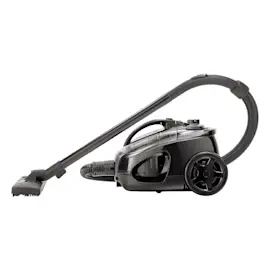
Canister vacuums like the Kenmore 11625615504 clean very well, but the tradeoffs are bulkier storage, more bending while vacuuming, and the canister can bump walls or furniture as you pull it. They also need clear airflow (bag, filters, hoses) to avoid overheating.
Common disadvantages (what most owners notice)
- Harder to store than many uprights because you have a separate canister, hose, and wand.
- More bending and reaching to move the canister, manage the hose, and switch tools.
- Canister “drag” can scuff surfaces if it swings into baseboards, door frames, or furniture.
- More setup and handling (hose, wand, PowerMate) compared to a one-piece upright.
- Thick, high-pile carpet can be tougher for some canister setups, especially if airflow is restricted.
Model-specific handling drawbacks (from the Kenmore 11625615504 manual)
The manual highlights a few canister-specific issues that can feel like “disadvantages” in day-to-day use:
- The hose can twist, which makes pulling and steering less smooth.
- On stairs, the canister can fall if it is not positioned securely.
- You should not pull the canister by the hose on stairs; you move it using the carry handle/hand grip.
- If airflow is blocked by a clog or a full bag, the vacuum can shut off to prevent overheating until it cools and the restriction is cleared.
Quick comparison: canister vs upright (practical tradeoffs)
| Feature | Canister vacuum | Upright vacuum |
|---|---|---|
| Storage | Bulkier, more pieces | Usually simpler footprint |
| Maneuvering | Great with wand, but canister trails behind | One-piece push/pull |
| Stairs | Better reach, but canister placement matters | Heavier to carry, fewer pieces |
| Carpet performance | Can vary; airflow and brush setup matter | Often strong on carpet |
Why it matters
Most “canister vacuum problems” are really handling and airflow issues. Keeping the bag, filters, and airflow passages clear helps maintain suction and reduces nuisance shutoffs; careful stair use helps prevent tip-overs and scuffs.
For operating, storage, and safety details specific to this model, use the 11625615504 owner’s manual.
Last updated: February 2026
What is the best canister vacuum to buy?
The best canister vacuum to buy is the one that matches your flooring, filtration needs, and how often you vacuum. If you already own a Kenmore canister vacuum like model 11625615504, keeping it maintained (bag, filters, airflow) often restores strong suction and performance without replacing the whole vacuum.
Quick buying guide (what to prioritize)
- Carpet-heavy homes: choose a canister with a powered floor nozzle (motorized brush) for deep agitation.
- Hard floors and area rugs: prioritize a hard-floor tool and strong sealed suction.
- Allergies or pets: pick a bagged vacuum with high-quality filtration and tight seals.
- Stairs and above-floor cleaning: look for a comfortable hose, wand reach, and stable canister handling.
- Maintenance cost: compare bag and filter costs, not just the purchase price.
If you are deciding between bagged and bagless
| Feature | Bagged canister | Bagless canister |
|---|---|---|
| Best for allergies | Excellent (less dust exposure) | Varies (more dust during emptying) |
| Ongoing cost | Bags and filters | Filters (and more frequent cleaning) |
| Suction consistency | Strong when bag is changed on time | Can drop if bins and filters clog |
| Convenience | Simple, clean bag swaps | No bags, but more hands-on upkeep |
Make your current Kenmore 11625615504 perform like it should
Many “time to replace” symptoms are airflow problems. Your Kenmore manual emphasizes keeping airflow passages open, changing the dust bag often, and checking filters and clogs.
- Change the dust bag before it overfills (overfull bags restrict airflow).
- Check for clogs in the hose, wand, and floor nozzle air path.
- Inspect and replace clogged filters (including the motor safety filter and exhaust filter).
- If the vacuum shuts off, let it cool about 30 minutes so the thermal protector can reset.
- Avoid pulling the canister by the hose; move it by the handle to prevent damage.
See the step-by-step care and troubleshooting sections in the 11625615504 owner's manual.
Why it matters
The “best” canister vacuum is the one that keeps airflow high and filtration effective for your home. A well-maintained Kenmore canister vacuum often delivers the same practical results as a new purchase, especially on carpets and pet hair.
Last updated: February 2026
What is the list of vacuum cleaner parts?
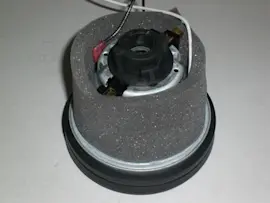
For Kenmore canister vacuum model 11625615504, the main vacuum cleaner parts include the motor (suction), dust bag, filters (motor safety and exhaust), hose, wand, and floor nozzle (Power-Mate). These parts work together to move air, capture debris, and protect the motor; see the 11625615504 owner's manual for your exact configuration.
Common parts you will see on a canister vacuum
- Motor and fan: creates airflow (suction)
- Dust bag (or dust cup on bagless models): holds collected dirt
- Motor safety filter: helps protect the motor from fine dust
- Exhaust filter: helps reduce dust in the air leaving the vacuum
- Hose: carries airflow and debris from the nozzle to the canister
- Wand (often telescoping): extends reach and connects tools
- Floor nozzle / power nozzle (Power-Mate): cleans carpet and floors
Parts called out in the 11625615504 manual
The manual for this Kenmore model specifically references these items as part of the vacuum’s “parts and features” and routine care:
| Part | What it does | Typical maintenance |
|---|---|---|
| Dust bag | Captures debris | Replace when full to keep airflow strong |
| Motor safety filter | Protects motor from dust | Check and replace when dirty |
| Exhaust filter | Filters outgoing air | Replace on schedule or when restricted |
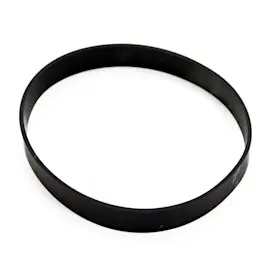
| Power nozzle belt | Drives brush roll | Replace if broken or slipping |
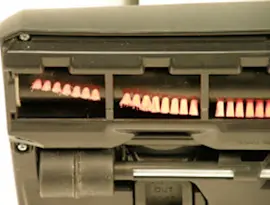
| Headlight bulb (if equipped) | Lights cleaning path | Replace if burned out |
Why it matters
Knowing the part names helps you troubleshoot faster. For example, weak suction is often tied to a full dust bag, a clogged hose, or restricted filters, while poor carpet pickup often points to the power nozzle belt or brush roll area.
Quick tips before ordering parts
- Confirm the model number 11625615504 from the model/serial plate.
- Match the part type to the symptom (suction vs. brush roll vs. filtration).
- Replace consumables (bag, filters, belt) first; they are common wear items.
- Keep airflow clear; a blockage can mimic a motor problem.
Last updated: February 2026
What model is my Kenmore vacuum?
Your Kenmore vacuum’s model number is printed on the model and serial number plate on the vacuum body (commonly on the canister). For this Kenmore canister vacuum, the manual shows model 116.25614 and 116.25615 as examples; confirm the exact number on your unit and match it to the Kenmore 11625615504 owner’s manual.
Where to find the model number on a Kenmore canister vacuum
Check these common spots on the vacuum (not the wand or hose):
- On the canister housing near the motor area
- On the bottom of the canister
- Near the bag compartment or where the bag mounts
- Near the cord rewind area or rear of the canister
- On a label that also lists the serial number
How to use the model number for parts and service
Once you find the plate, copy the model number exactly as printed (all digits). This helps ensure the right Kenmore bags, filters, belts, and Power-Mate parts fit.
| What to record | Why it matters | Example format |
|---|---|---|
| Model number | Determines exact parts breakdown | 116.25615504 |
| Serial number | Helps identify production run | Letters and numbers |
| Purchase date | Useful for maintenance tracking | Month/day/year |
Quick checks to avoid mix-ups
Use these checks before ordering vacuum cleaner parts:
- Match every digit; one digit off can change the parts list
- Use the number from the canister label, not the carton
- If the label is worn, use the model number field in the Kenmore 11625615504 owner’s manual to confirm the format
- Keep the model and serial number together; they are typically printed on the same plate
Why it matters
Kenmore canister vacuums often share similar styling across multiple models, but internal components like the exhaust filter, motor safety filter, belt, and Power-Mate head parts vary by model number.
Last updated: February 2026
Where is the model number on a Kenmore canister vacuum?
On Kenmore canister vacuum model 11625615504, the model number is printed on the model and serial number plate on the vacuum cleaner body (the main canister housing). We use that plate information to match the correct parts and service information.
Where to look on the vacuum
Check these common spots on the canister (main housing):
- Bottom of the canister near the wheels
- Back side of the canister near the cord rewind area
- Under a lift-up cover or door (bag compartment area)
- Near the hose connection port
- On a flat area of the outer shell where a label can stick securely
What the label looks like and what to record
The plate typically lists both a model number and a serial number. We recommend writing both down exactly as shown.
| What you need | Why it matters | Example (your model) |
|---|---|---|
| Model number | Ensures diagrams and parts match your exact vacuum | 11625615504 |
| Serial number | Helps identify production variations | (varies by unit) |
Tips if you cannot find it right away
Use these quick checks to locate the plate faster:
- Unplug the vacuum and turn the canister so you can see the underside clearly
- Wipe dust off the housing; labels can blend into textured plastic
- Use a flashlight and look for a small rectangular sticker or metal plate
- Avoid removing covers just to find the label; start with exterior surfaces first
Why it matters
Kenmore canister vacuums often have similar-looking housings and attachments, but parts like the hose, wand, filters, and Power-Mate components can vary by model. Using the exact model number from the plate prevents ordering the wrong replacement part.
For more model-specific details, use the 11625615504 owner's manual.
Last updated: February 2026