Error Codes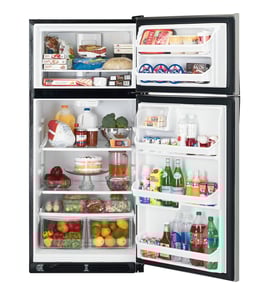


What is the upper part of a fridge called?
In a Kenmore top-mount refrigerator like model 25379802891, the upper section is typically the freezer compartment (often called the freezer). It is the coldest area of the appliance and is designed to keep foods frozen and store ice.
Common names you will hear
- Freezer compartment
- Freezer section
- Upper freezer
- Top freezer
- Freezer cabinet (less common)
What the upper freezer does (and what’s usually inside)
The freezer compartment is built to maintain temperatures cold enough for long-term storage and to support ice production.
- Keeps food frozen for longer storage
- Helps chill the refrigerator section through airflow (on many designs)
- Houses freezer shelves/bins for organization
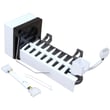
- Often includes an ice maker (if equipped)
- Uses an evaporator and fan system to circulate cold air
Quick temperature reference
| Area | Typical target setting | What it’s for |
|---|---|---|
| Freezer (upper section) | 0°F | Frozen food storage, ice |
| Fresh food (lower section) | 37°F | Refrigerated food storage |
Why it matters
Knowing the correct name helps when you are troubleshooting cooling issues, ordering parts like a door gasket or fan motor, or following repair steps for airflow problems between the freezer and refrigerator sections.
If you are diagnosing cooling or airflow symptoms, start with how to fix your evaporator cooling fan.
Last updated: January 2026
What is a top mount refrigerator?
A top-mount refrigerator is a classic fridge layout where the freezer compartment is on top and the fresh-food (refrigerator) compartment is below. For Kenmore model 25379802891, this design typically offers straightforward storage, easy freezer access, and reliable everyday cooling.
How a top-mount (top-freezer) layout is organized
In most Kenmore top-mount refrigerators, you will see these common sections:
- Freezer on top: shelves or a bin for frozen foods
- Fresh-food section below: adjustable shelves and crisper drawers for produce
- Door storage: bins for condiments, beverages, and small items
- Airflow vents: cold air is distributed from the freezer area into the refrigerator section
Top-mount vs. other refrigerator styles
Here is a quick comparison to help you choose the right configuration.
| Style | Freezer location | Typical strengths | Typical tradeoffs |
|---|---|---|---|
| Top-mount (top-freezer) | Top | Simple design, efficient use of space, often lower cost | Fresh-food items sit lower, so you bend more |
| Bottom-freezer | Bottom | Fresh-food at eye level | Freezer access is lower |
| French door | Bottom drawer | Wide shelves, flexible storage | More complex features, often higher cost |
Why it matters for parts and troubleshooting
Knowing you have a top-mount refrigerator helps narrow down common service areas like airflow between compartments, frost buildup patterns, and door sealing issues. It also helps you match the right repair guidance for your Kenmore 25379802891.
Common issues we see with top-mount refrigerators
If performance changes, these checks often help:
- Set temperatures to typical targets: 0°F freezer and 37°F refrigerator
- Make sure vents are not blocked by food packages
- Check door gaskets for gaps, tears, or sticky spots
- Listen for the evaporator fan (it should run when cooling)
- Clean dust from the condenser area to improve efficiency
For airflow-related symptoms (warm refrigerator but cold freezer, unusual fan noise, weak cooling), use how to fix your evaporator cooling fan.
Last updated: January 2026
How high should an ice maker box be?
For a Kenmore top-mount refrigerator like model 25379802891, most ice maker outlet boxes are installed so the shutoff valve and water line sit above the baseboard and a few inches off the floor, typically 6 to 12 inches from the finished floor to the center of the box. This keeps the valve accessible and helps prevent kinks.
Recommended height and placement
Use these common guidelines for a refrigerator ice maker box (also called an ice maker outlet box):
- Height: 6 to 12 inches above the finished floor (center of box)
- Clear the baseboard: keep the box fully above trim so the cover sits flat
- Side-to-side location: place it behind the refrigerator where it will not interfere with the cabinet recess
- Avoid pinch points: keep the water line away from the compressor area and sharp bends
- Leave service slack: allow enough tubing length to pull the refrigerator out for cleaning and repairs
Quick sizing guide (typical)
These are typical targets installers use when the refrigerator’s exact inlet location is unknown.
| What you’re deciding | Typical target | Why it helps |
|---|---|---|
| Box center height | 6 to 12 in. | Keeps valve reachable and above baseboard |
| Clearance from baseboard | 1 in. minimum | Prevents cover interference |
| Tubing slack | 2 to 3 ft | Lets you pull the unit out safely |
Why it matters
If the box is too low, the baseboard can block the cover and the water line can kink when the refrigerator is pushed back. If it’s too high, the valve can land in a spot where the cabinet or refrigerator back panel presses on the tubing, causing leaks or restricted water flow.
Related DIY help
If you’re also dealing with low ice production, leaks, or dispenser issues, these guides help narrow down the cause:
- How to prevent water dispenser and ice maker problems
- How to diagnose a faulty refrigerator water inlet valve
- Common refrigerator ice maker problems and solutions
Last updated: January 2026