



What is the typical lifespan of a gas snowblower?
A typical gas snowblower lasts 10 to 15 years. For a Murray 624604X81 24-inch, 6-hp snow thrower, consistent maintenance and timely replacement of wear items (especially belts and scraper components) commonly pushes service life into the 15 to 20 year range.
- Fuel care: fresh fuel in-season; stabilized fuel for storage
- Oil changes: clean oil reduces engine wear
- Belt condition and adjustment: slipping belts overheat and wear faster
- Shear pin events and impacts: hitting ice chunks or gravel stresses the auger/impeller system
- Storage: dry, covered storage prevents corrosion and cable seizure
| When | What to do | Why it matters |
|---|---|---|
| Every use | Clear packed snow, check for loose fasteners | Prevents rust and vibration damage |
| Every season | Change engine oil, inspect belts, check skid shoes/scraper | Reduces engine wear and improves throwing performance |
| End of season | Treat fuel, clean, lubricate pivots, store dry | Prevents carburetor issues and corrosion |
On the Murray 624604X81, these wear items often determine whether the machine still feels “strong” even if the engine runs well:
- Ground drive belt: replace if glazed, cracked, or the unit barely moves in gear (snowblower drive belt 1733324SM)
- Auger drive belt: replace if the auger slows under load or squeals (auger belt 37X120MA)
- Scraper blade: replace when it’s rounded off and leaving snow behind
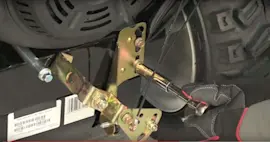
- Idler pulley and springs: replace if belt tension is inconsistent
Most “snowblower lifespan” complaints are really loss of traction or throwing power from normal wear (belts, scraper, pulleys), not a worn-out engine. Keeping the drive and auger systems tight and responsive is the fastest way to keep an older gas snowblower working like it should.
Last updated: January 2026
What is the most common problem with snow blowers?
The most common problem we see with gas snow blowers like the Murray 624604X81 is a no-start or hard-start condition caused by old fuel and a dirty carburetor. Close behind are clogging in the discharge chute and drive or auger issues caused by worn belts or damaged drivetrain components.
- Won’t start / starts then dies: drain old gas, add fresh fuel, check spark plug condition, and clean the carburetor bowl and jets.
- Clogs or poor throwing distance: clear packed snow, inspect the chute and impeller area for ice buildup.
- Auger won’t turn: check for broken shear pins (common on many snow throwers) and inspect the auger belt.
- Unit won’t drive or slips: inspect the ground drive belt and idler pulley for wear or loss of tension.
- Intermittent operation: look for loose fasteners, stretched springs, or binding linkages.
| Symptom | Most likely cause | What to do next |
|---|---|---|
| Pull cord feels normal but engine won’t fire | Stale fuel, carburetor varnish, fouled plug | Refresh fuel, clean carb, replace plug if needed |
| Engine runs but snow barely moves | Clogged chute, worn impeller clearance, wet snow | Clear chute, break up ice, avoid overfeeding |
| Auger stops under load | Belt slipping or damaged, shear pin issue | Inspect/replace auger belt 37X120MA |
| Wheels don’t pull | Belt worn, idler not tensioning | Inspect/replace snowblower drive belt 1733324SM or check idler |
Most “snowblower problems” are maintenance-related, not major failures. Fixing fuel quality and belt condition early prevents repeated no-starts, reduces belt glazing, and helps the auger and drive systems transfer full power.
- Use fresh fuel and run the machine dry before long storage.
- Clear snow buildup from the chute and housing after each use.
- Inspect belts for cracking, glazing, or stretching each season.
- Check pulley alignment and belt tension if you smell burning rubber.
- Keep spare shear pins on hand for the first heavy storm.
Last updated: January 2026
Is it cheaper to repair or replace a snowblower?
For the Murray 624604X81 24-inch 6-HP snow thrower, it’s usually cheaper to repair when the problem is a wear item (belts, pulleys, scraper blade, pins) and the machine still starts and drives well. Replace when repair costs approach about half the price of a comparable new snowblower, especially if the engine or drive system has repeated major failures.
- Repair if the engine starts reliably and the issue is limited to drive, auger engagement, or chute hardware.
- Repair if the fix is a common wear part like an auger belt 37X120MA or snowblower drive belt 1733324SM.
- Replace if the engine has low compression, heavy smoking, or won’t run even after fuel-system service.
- Replace if the drive system has major internal damage (beyond belts, idlers, and external linkage).
- Replace if the housing, auger area, or frame has severe rust-through or cracking.
These ranges help you compare a repair estimate to replacement cost for a similar 24-inch gas unit.
| Repair type | What it usually involves | Typical cost range (parts + labor) |
|---|---|---|
| Minor tune-up | Spark plug, fuel service, adjustments | $80 to $200 |
| Belt replacement | Auger belt or ground drive belt | $120 to $250 |
| Friction/drive service | Drive adjustments, friction components, bearings | $200 to $450 |
| Major engine work | Carburetor replacement, internal engine repair | $300 to $800+ |
On the 624604X81, loss of drive or weak snow throwing is commonly tied to belt wear, glazing, stretching, or an idler that no longer maintains tension. Replacing a belt and correcting tension typically restores performance without the cost of major drivetrain work.
- Auger engagement: With the auger lever held, the auger should pull hard without squealing.
- Ground drive: In gear, the unit should move steadily without surging or slipping.
- Belt condition: Look for cracking, fraying, glazing, or rubber dust near pulleys.
- Idler action: The idler should pivot freely and apply firm tension.
- Overall condition: Excessive vibration, bent auger components, or structural damage pushes the decision toward replacement.
Last updated: January 2026
Is a 2 stage or 3 stage snowblower better?
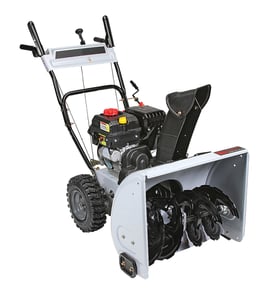
A 3-stage snowblower is better for extreme, deep, heavy, or plowed-in snow because it adds an accelerator that feeds snow faster into the impeller. For most homeowners, a 2-stage machine like the Murray 624604X81 (24-inch, 6-hp class) is the better value and clears typical driveway snow reliably.
| Feature | 2-stage snowblower | 3-stage snowblower |
|---|---|---|
| Snow-moving system | Auger + impeller | Accelerator + auger + impeller |
| Best for | Most driveways, moderate to heavy snow | Deep, wet, icy, plow-packed snow |
| Clearing speed | Fast | Faster in extreme conditions |
| Cost and complexity | Lower, simpler | Higher, more complex |
- Choose 2-stage if you clear a typical driveway, sidewalks, and get regular snowfalls.
- Choose 3-stage if you routinely deal with dense end-of-driveway berms, wet snow, or frequent storms that leave heavy piles.
- If storage space matters, 2-stage units are usually easier to store and maneuver.
- If you want fewer wear items and simpler maintenance, 2-stage is usually the better fit.
- If you need maximum throughput and you do not mind extra cost, 3-stage is the upgrade.
Your Murray 624604X81 is a 24-inch, 6-hp class snow thrower designed around a proven 2-stage layout. When performance drops, it is usually maintenance or wear related (belt slip, pulley issues, chute binding), not the “number of stages.”
- Replace a worn ground drive belt: snowblower drive belt 1733324SM
- Replace a worn auger belt: auger belt 37X120MA
- Check belt tension and idler movement; a sticking idler can cause slipping
- Inspect shear pins (if equipped) and clear packed snow from the auger housing
- Verify the chute rotates freely and is not binding
- Light to moderate snow (most storms): 2-stage
- Wet, heavy snow and frequent berms: 3-stage
- Mixed conditions but budget-focused: 2-stage
Last updated: January 2026