Owner’s manual
 View engine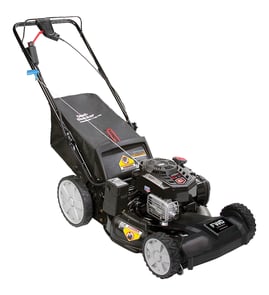
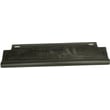


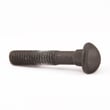
How to find Craftsman model number?
On the Craftsman walk-behind mower model 917385142, the model number is printed on a decal on the rear of the lawn mower housing (rear of the deck). Use that decal information when ordering parts or checking specifications in the 917385142 owner's manual.
Where to look on the mower
Check these common spots on the rear of the deck:
- Back of the mower deck, on the rear housing panel
- Between the lower handle mounts (rear area)
- Near the discharge opening area on the rear-facing side (varies by deck stamping)
- On a decal that also lists the serial number
What to write down (and why)
Record the details exactly as shown on the decal:
- Model number (example: 917385142)
- Serial number
- Date of purchase (helpful for maintenance records)
Quick reference table
| Item on decal | What it’s used for |
|---|---|
| Model number | Matching the correct parts diagrams and part numbers |
| Serial number | Identifying production run details for service and parts lookup |
| Date of purchase | Tracking warranty and maintenance intervals |
Why it matters
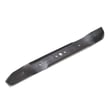
Using the correct model number prevents ordering the wrong blade, control cable, or handle hardware. For example, parts like the lawn mower engine zone control cable 582991501 and lawn mower 22-in deck mulching blade 532406713 must match the exact mower configuration.
Last updated: January 2026
Should I use 87 or 91 gas for lawn mower?
For the Craftsman walk-behind mower model 917385142, we recommend using fresh regular unleaded gasoline (87 octane) for normal mowing. Using 91 octane does not improve power or reliability in typical small engines; fuel freshness and proper storage matter more.
What to use (and what to avoid)
- Use 87 octane regular unleaded from a busy station (fresher fuel).
- Use fresh fuel; don’t run old gas that has been sitting for weeks or months.
- Use fuel stabilizer if the mower will sit unused for more than about 30 days.
- Avoid fuel contaminated with water or dirt (common cause of hard starting).
- Avoid spilling gas on tires and plastic parts; gasoline can damage rubber and finishes.
Quick comparison: 87 vs 91 for a walk-behind mower
| Fuel choice | Best for | What you’ll notice |
|---|---|---|
| 87 octane (regular) | Everyday mowing | Normal starting and performance |
| 91 octane (premium) | Not required for most mowers | Usually no benefit versus 87 |
Why fuel freshness matters more than octane
Most mower problems blamed on “bad gas” are really caused by stale fuel or varnish buildup in the carburetor from storage. If your mower is hard to start after sitting, draining old fuel and refilling with fresh gas (plus stabilizer going forward) is the most effective fix.
Storage and maintenance tips that prevent fuel issues
- At season’s end, follow the storage steps in the 917385142 owner's manual.
- Keep the fuel can sealed and stored in a cool, dry place.
- Clean built-up grass and debris regularly; a clogged engine area runs hotter and can shorten engine life.
- If you’re servicing the blade, disconnect the spark plug wire first and handle the blade carefully.
Helpful DIY resource
If you’re dealing with fuel that won’t start the mower after storage, use our how to keep lawn mower gas from going bad guide.
Why it matters
Using the right fuel and storing it correctly helps prevent no-start conditions, rough running, and carburetor problems, which reduces downtime and extends the life of your Craftsman mower.
Last updated: January 2026
What is the average lifespan of 917385142?
A Craftsman walk-behind mower like model 917385142 typically lasts 8 to 12 years with normal residential use and routine maintenance. Lifespan is driven most by engine care, blade impacts, and how consistently you follow the maintenance schedule in the owner's manual.
What affects lifespan the most
- Oil changes and clean oil level (most important for the 550 Series B&S engine)
- Air filter and spark plug upkeep (prevents hard starting and power loss)
- Blade strikes (hitting rocks or roots can bend the blade, damage the adapter, or stress the crankshaft)
- Deck corrosion and buildup (wet grass left on the deck accelerates rust)
- Storage habits (fuel care and dry storage reduce carburetor and corrosion problems)
Typical lifespan by condition
| Use and care level | Typical lifespan | What you usually see |
|---|---|---|
| Light use, maintained | 10 to 12 years | Starts easily, consistent cut quality |
| Average use, basic care | 8 to 10 years | Occasional tune-up needs |
| Heavy use, minimal care | 5 to 8 years | Starting issues, vibration, uneven cut |
Parts that wear out first (and why)
These are normal wear items; replacing them on time helps the mower last longer.
- Blade: a dull or bent blade strains the engine and leaves a ragged cut; use the correct 22-inch blade such as the lawn mower 22-in deck mulching blade 532406713 when your setup calls for it
- Blade adapter: wear or damage can cause vibration and poor blade engagement; see the lawn mower blade adapter 581547901
- Engine zone control cable: stretching or binding can cause no-start or shutoff issues; see the lawn mower engine zone control cable 582991501
Why it matters
A mower that is maintained to spec cuts cleaner, starts more reliably, and avoids expensive damage from vibration or blade impacts. Following the correct service intervals and using the right replacement parts is the fastest way to reach the 8 to 12 year average.
Last updated: March 2026