



What is the typical lifespan of a gas snowblower?
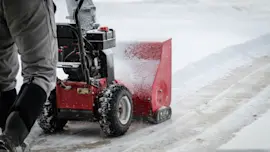
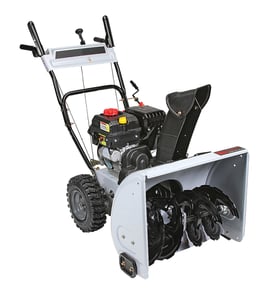
A typical gas snowblower lasts 10 to 15 years. For a Murray 624604X81 24-inch, 6-hp snow thrower, consistent maintenance and timely replacement of wear items (especially belts and scraper components) commonly pushes service life into the 15 to 20 year range.
What most affects lifespan
- Fuel care: fresh fuel in-season; stabilized fuel for storage
- Oil changes: clean oil reduces engine wear
- Belt condition and adjustment: slipping belts overheat and wear faster
- Shear pin events and impacts: hitting ice chunks or gravel stresses the auger/impeller system
- Storage: dry, covered storage prevents corrosion and cable seizure
Maintenance schedule that extends life
| When | What to do | Why it matters |
|---|---|---|
| Every use | Clear packed snow, check for loose fasteners | Prevents rust and vibration damage |
| Every season | Change engine oil, inspect belts, check skid shoes/scraper | Reduces engine wear and improves throwing performance |
| End of season | Treat fuel, clean, lubricate pivots, store dry | Prevents carburetor issues and corrosion |
Parts that commonly limit performance first (and are easy wins)
On the Murray 624604X81, these wear items often determine whether the machine still feels “strong” even if the engine runs well:
- Ground drive belt: replace if glazed, cracked, or the unit barely moves in gear (snowblower drive belt 1733324SM)
- Auger drive belt: replace if the auger slows under load or squeals (auger belt 37X120MA)
- Scraper blade: replace when it’s rounded off and leaving snow behind
- Idler pulley and springs: replace if belt tension is inconsistent
Why it matters
Most “snowblower lifespan” complaints are really loss of traction or throwing power from normal wear (belts, scraper, pulleys), not a worn-out engine. Keeping the drive and auger systems tight and responsive is the fastest way to keep an older gas snowblower working like it should.
Last updated: January 2026
What is the most common problem with snow blowers?
The most common problem we see with gas snow blowers like the Murray 624604X81 is a no-start or hard-start condition caused by old fuel and a dirty carburetor. Close behind are clogging in the discharge chute and drive or auger issues caused by worn belts or damaged drivetrain components.
Most common issues (and what to check first)
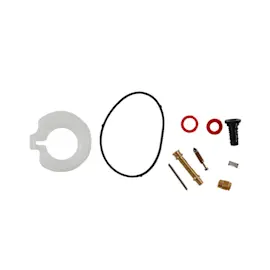
- Won’t start / starts then dies: drain old gas, add fresh fuel, check spark plug condition, and clean the carburetor bowl and jets.
- Clogs or poor throwing distance: clear packed snow, inspect the chute and impeller area for ice buildup.
- Auger won’t turn: check for broken shear pins (common on many snow throwers) and inspect the auger belt.
- Unit won’t drive or slips: inspect the ground drive belt and idler pulley for wear or loss of tension.
- Intermittent operation: look for loose fasteners, stretched springs, or binding linkages.
Quick symptom-to-likely-cause guide
| Symptom | Most likely cause | What to do next |
|---|---|---|
| Pull cord feels normal but engine won’t fire | Stale fuel, carburetor varnish, fouled plug | Refresh fuel, clean carb, replace plug if needed |
| Engine runs but snow barely moves | Clogged chute, worn impeller clearance, wet snow | Clear chute, break up ice, avoid overfeeding |
| Auger stops under load | Belt slipping or damaged, shear pin issue | Inspect/replace auger belt 37X120MA |
| Wheels don’t pull | Belt worn, idler not tensioning | Inspect/replace snowblower drive belt 1733324SM or check idler |
Why it matters
Most “snowblower problems” are maintenance-related, not major failures. Fixing fuel quality and belt condition early prevents repeated no-starts, reduces belt glazing, and helps the auger and drive systems transfer full power.
Helpful maintenance habits for the Murray 624604X81
- Use fresh fuel and run the machine dry before long storage.
- Clear snow buildup from the chute and housing after each use.
- Inspect belts for cracking, glazing, or stretching each season.
- Check pulley alignment and belt tension if you smell burning rubber.
- Keep spare shear pins on hand for the first heavy storm.
Last updated: January 2026
Is it cheaper to repair or replace a snowblower?
For the Murray 624604X81 24-inch 6-HP snow thrower, it’s usually cheaper to repair when the problem is a wear item (belts, pulleys, scraper blade, pins) and the machine still starts and drives well. Replace when repair costs approach about half the price of a comparable new snowblower, especially if the engine or drive system has repeated major failures.
Quick decision checklist
- Repair if the engine starts reliably and the issue is limited to drive, auger engagement, or chute hardware.
- Repair if the fix is a common wear part like an auger belt 37X120MA or snowblower drive belt 1733324SM.
- Replace if the engine has low compression, heavy smoking, or won’t run even after fuel-system service.
- Replace if the drive system has major internal damage (beyond belts, idlers, and external linkage).
- Replace if the housing, auger area, or frame has severe rust-through or cracking.
Typical repair cost ranges (what most owners see)
These ranges help you compare a repair estimate to replacement cost for a similar 24-inch gas unit.
| Repair type | What it usually involves | Typical cost range (parts + labor) |
|---|---|---|
| Minor tune-up | Spark plug, fuel service, adjustments | $80 to $200 |
| Belt replacement | Auger belt or ground drive belt | $120 to $250 |
| Friction/drive service | Drive adjustments, friction components, bearings | $200 to $450 |
| Major engine work | Carburetor replacement, internal engine repair | $300 to $800+ |
Why belts and pulleys are often the best repair value
On the 624604X81, loss of drive or weak snow throwing is commonly tied to belt wear, glazing, stretching, or an idler that no longer maintains tension. Replacing a belt and correcting tension typically restores performance without the cost of major drivetrain work.
What to check before you decide
- Auger engagement: With the auger lever held, the auger should pull hard without squealing.
- Ground drive: In gear, the unit should move steadily without surging or slipping.
- Belt condition: Look for cracking, fraying, glazing, or rubber dust near pulleys.
- Idler action: The idler should pivot freely and apply firm tension.
- Overall condition: Excessive vibration, bent auger components, or structural damage pushes the decision toward replacement.
Last updated: January 2026
Is a 2 stage or 3 stage snowblower better?
A 3-stage snowblower is better for extreme, deep, heavy, or plowed-in snow because it adds an accelerator that feeds snow faster into the impeller. For most homeowners, a 2-stage machine like the Murray 624604X81 (24-inch, 6-hp class) is the better value and clears typical driveway snow reliably.
Quick comparison: 2-stage vs 3-stage
| Feature | 2-stage snowblower | 3-stage snowblower |
|---|---|---|
| Snow-moving system | Auger + impeller | Accelerator + auger + impeller |
| Best for | Most driveways, moderate to heavy snow | Deep, wet, icy, plow-packed snow |
| Clearing speed | Fast | Faster in extreme conditions |
| Cost and complexity | Lower, simpler | Higher, more complex |
How we recommend choosing
- Choose 2-stage if you clear a typical driveway, sidewalks, and get regular snowfalls.
- Choose 3-stage if you routinely deal with dense end-of-driveway berms, wet snow, or frequent storms that leave heavy piles.
- If storage space matters, 2-stage units are usually easier to store and maneuver.
- If you want fewer wear items and simpler maintenance, 2-stage is usually the better fit.
- If you need maximum throughput and you do not mind extra cost, 3-stage is the upgrade.
Why it matters for the Murray 624604X81
Your Murray 624604X81 is a 24-inch, 6-hp class snow thrower designed around a proven 2-stage layout. When performance drops, it is usually maintenance or wear related (belt slip, pulley issues, chute binding), not the “number of stages.”
Common 2-stage performance fixes (before upgrading)
- Replace a worn ground drive belt: snowblower drive belt 1733324SM
- Replace a worn auger belt: auger belt 37X120MA
- Check belt tension and idler movement; a sticking idler can cause slipping
- Inspect shear pins (if equipped) and clear packed snow from the auger housing
- Verify the chute rotates freely and is not binding
Typical “better” choice by conditions
- Light to moderate snow (most storms): 2-stage
- Wet, heavy snow and frequent berms: 3-stage
- Mixed conditions but budget-focused: 2-stage
Last updated: January 2026