Owner’s manual



What is the difference between a 2.4 and 2.7 trimmer line?
On a Craftsman gas line trimmer like model 358795200, the difference is mainly line diameter: 2.7 mm line is thicker, typically lasts longer and hits harder in heavy weeds; 2.4 mm line is lighter, usually cuts cleaner in grass and helps reduce strain on the trimmer head. For approved line type and safe operation, follow the owner's manual.
How to choose the right size for the job
- 2.4 mm: best for grass, light weeds, and trimming near fences and flower beds
- 2.7 mm: best for thicker weeds and tougher, longer cutting sessions
- If you trim close to posts, trees, or fence wire, use lighter throttle to reduce line wear (this also helps whichever diameter you choose)
- Always use trimmer line only; never substitute wire, rope, or string
What changes when you go thicker
| Feature | 2.4 mm line | 2.7 mm line |
|---|---|---|
| Cutting feel | Faster, more nimble | More aggressive |
| Durability | Moderate | Higher |
| Best use | Grass and light weeds | Heavy weeds and rough areas |
| Load on head/engine | Lower | Higher |
Why it matters
Using the right diameter helps your Craftsman 358795200 cut efficiently while reducing head wear and avoiding unnecessary stress on the clutch and drive components. It also supports safer trimming because the tool behaves more predictably when you are working near obstacles.
Safety and operating reminders we recommend
- Wear eye protection and leg protection
- Keep people and pets 50 feet (15 meters) away from the cutting area
- Make sure the shield is installed correctly for line trimming
- Keep cutting line at the proper length (as described in the manual)
Last updated: February 2026
What is the strongest .095 trimmer line?
For a Craftsman gas line trimmer like model 358795200, the strongest .095 trimmer line is typically a premium, high-density line (often marketed as “diamond” or “twist” profile) because it resists fraying and breakage better in heavy weeds. Use the line type and diameter your owner's manual specifies for best cutting performance and safe operation.
What to look for in a “strong” .095 line
A strong line is less about one brand name and more about construction and how you use it.
- Profile: diamond, twist, or serrated styles usually hold up longer than round line
- Material: high-density nylon or reinforced blends resist snapping and abrasion
- Weld resistance: better line is less likely to “weld” to itself on the spool when hot
- Cutting conditions: thick weeds, fence lines, and rocky edges demand tougher line
- Correct length: keeping line at the proper length improves efficiency and reduces wear
Use and technique matter as much as the line
Your manual emphasizes that the tip of the line does the cutting and that running at less than full throttle can extend line life.
- Trim with the tip, not the full length of line buried in the weeds
- Use less than full throttle for light trimming and around hard objects
- Avoid “crowding” the line into rocks, gravel, and fence posts (it breaks line fast)
- Let the engine return to idle when you are not actively cutting
Quick comparison: common .095 line styles
| Line style | Best for | Typical durability |
|---|---|---|
| Round | General trimming | Good |
| Twist | Reduced drag and noise | Better |
| Diamond/“square” | Heavy weeds, abrasive areas | Best |
Why it matters
Using a tougher .095 line and the right technique reduces reloads, helps the trimmer head last longer, and lowers the chance of thrown debris. Always follow the safety guidance in your owner's manual, including eye and leg protection and keeping bystanders at least 50 feet away.
Last updated: February 2026
How to start a Craftsman trimmer?
To start your Craftsman gas line trimmer model 358795200, set it on a flat surface, prime it, set the choke for a cold start, then hold the throttle trigger fully while you pull the starter rope sharply until the engine fires. Follow the exact cold or warm start steps in the owner's manual.
Cold-start steps (first start of the day)
- Set the trimmer on a flat surface with the cutting head clear of anything it could hit.
- Slowly press the primer bulb 6 times.
- Move the choke lever to FULL CHOKE (match the lever to the decal position).
- Squeeze the throttle trigger fully and keep holding it.
- Pull the starter rope handle sharply until the engine starts.
Warm-start basics (engine recently ran)
Warm starts usually need less choke and fewer pulls.
| Situation | Primer bulb | Choke lever | Throttle trigger |
|---|---|---|---|
| Cold engine | 6 presses | FULL CHOKE | Hold fully while pulling |
| Warm engine | As needed | Less choke than cold start | Hold fully while pulling |
Safety checks we recommend before starting
- Check for damaged or loose parts.
- Look for and repair fuel leaks before use.
- Make sure the required shield is installed correctly.
- Never start the engine with the clutch shroud removed.
- Move at least 10 feet away from the fueling area before starting.
Why it matters
Correct priming, choke position, and holding the throttle trigger help the carburetor deliver the right fuel mix for starting. The safety checks reduce the risk of injury and help prevent fuel-related problems.
Last updated: February 2026
Can I use .095 trimmer line?
Yes, you can use .095-inch trimmer line on many gas trimmers, but on the Craftsman 358795200 the correct choice is the line size and type specified for your trimmer head in the owner's manual. Using line that is too thick can overload the head, reduce cutting efficiency, and increase vibration.
How to choose the right line for your 358795200
Use these checks to match the line to your trimmer head and the job:
- Confirm the recommended line diameter in the owner's manual.
- Match the line to the trimmer head design (fixed line vs bump feed).
- Use round line for general trimming; use shaped line only if your head supports it.
- Avoid makeshift materials; the manual warns to never use wire, rope, or string.
- Keep line at the proper length; long line increases load and can cause poor performance.
What changes when you switch to .095 line
Thicker line can be helpful for heavier weeds, but it also increases drag.
| Line diameter | Best for | Tradeoffs |
|---|---|---|
| .065 to .080 in | light grass, edging | less durability in thick weeds |
| .095 in | heavier grass, moderate weeds | more load on head and engine |
| .105 to .130 in | very heavy weeds (only if specified) | can bog engine, faster head wear |
If your trimmer head is designed for a smaller diameter, .095 line can cause the line to feed poorly, “weld” on the spool, or make the engine feel weak at cutting speed.
Why it matters (performance and safety)
The manual emphasizes safe operation and proper setup because trimmer line can throw objects violently. Correct line size helps the head run smoothly, keeps cutting efficient at lower throttle, and reduces the chance of line breakage and debris throw.
A good compatible option to consider
If you confirm your head supports it, we stock 0.130-inch cutting line as line trimmer cutting line, 0.130-in, 10-pack vs130t16-15.
Last updated: February 2026
What size is the fuel line on a Craftsman trimmer?
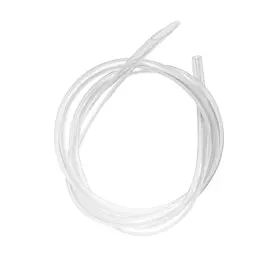
For Craftsman gas line trimmer model 358795200, the correct fuel line size is the one that matches your tank grommet and carburetor fittings with a tight, leak-free fit. Use the routing diagram and parts list in the 358795200 owner's manual to identify which line you have, then match the inside diameter (ID) and outside diameter (OD) to your original hose.
How we confirm the right fuel line size
Use these checks so the replacement seals correctly and does not pull air:
- Remove the old line and note whether your trimmer uses one line or two (supply and return).
- Measure the old hose ID and OD with calipers; bring the old piece with you if you are matching locally.
- Test-fit the new line on the carburetor nipple and tank grommet; it must slide on firmly.
- Replace the line if it is hard, cracked, swollen, or loose on fittings.
- If the in-tank pickup has a fuel filter, confirm the line fits the filter barb securely.
Parts that commonly apply to this model
These are fuel line options listed for model 358795200; choose the one that matches your original diameter and routing:
- Fuel line 530069247 (part number 530071404)
- Ayp lawn & garden equipment fuel line, large 530069216 (part number 530069216)
Quick comparison
| Option | Typical use on trimmers | What to match |
|---|---|---|
| Fuel line 530069247 (530071404) | Standard fuel hose runs | Your original ID/OD and length |
| Ayp lawn & garden equipment fuel line, large 530069216 | Larger-diameter applications | Larger fittings and grommet opening |
Why it matters
A fuel line that is even slightly oversized can leak or draw air; undersized line can restrict fuel flow. Either problem causes hard starting, surging, or stalling on a 2-cycle engine.
Last updated: February 2026