Installation guide
 Owner’s manual
 Error Codes


What is the disadvantage of a side-by-side fridge?
For the Whirlpool ED5FHEXVB01 side-by-side refrigerator, the biggest disadvantage is usable storage shape: each compartment is narrower, so wide platters, pizza boxes, and large freezer items fit less easily than in many top-freezer or French door designs.
- Narrow shelves limit wide items (sheet pans, party trays, pizza boxes).
- Less vertical freezer “height” for bulky items (turkeys, tall boxes).
- Door bins and in-door features can reduce interior shelf space.
- External ice and water features can add complexity (more parts to maintain).
- Doors need clearance to swing open; tight kitchens can feel cramped.
| Feature | Side-by-side (ED5FHEXVB01 style) | French door / top-freezer (typical) |
|---|---|---|
| Wide-item storage | Harder | Easier |
| Frozen bulky items | Harder | Easier |
| Eye-level access | Good for both fridge and freezer | Often best for fresh food |
| Door clearance needs | Can be significant | Often similar, sometimes less |
- Reorganize by width: keep wide items on the lowest shelves where space is often most usable.
- Use slimmer bins and avoid overloading door bins (it can crowd the main compartment).
- Keep vents clear so airflow stays consistent and temperatures stay even.
- Confirm your shelf/bin positions and recommended loading in the ED5FHEXVB01 owner's manual.
Most side-by-side complaints are not about cooling performance; they are about how the split layout changes what fits. Planning storage around width and airflow helps you avoid warm spots, crushed items, and frequent door-open time.
Last updated: January 2026
How big is the Whirlpool model ED5FHEXVB01?
The Whirlpool side-by-side refrigerator model ED5FHEXVB01 is a 25.3 cu. ft. unit. For the exact exterior measurements (height, width, depth, and door-swing clearance), use the specifications section in the ED5FHEXVB01 owner's manual, since cabinet size and required clearances matter as much as total capacity.
Capacity is the total interior storage volume across both compartments.
- It describes storage space, not the outside footprint
- It includes refrigerator and freezer sections combined
- Shelves, bins, and the ice system can affect usable space
- Door storage and crisper/meat pans change how the space “feels” day to day
Use this checklist with ED5FHEXVB01 so the refrigerator fits and cools properly.
- Measure the opening width at the front and back
- Measure height to the lowest cabinet or trim
- Measure depth to the wall, including baseboards
- Confirm door swing and handle clearance
- Leave airflow space around the cabinet (per the manual)
| What you’re checking | Why it matters | Where to confirm |
|---|---|---|
| Capacity (cu. ft.) | Storage volume for groceries | Model specs in the manual |
| Width/height/depth | Physical fit in the cutout | Manual spec sheet |
| Door swing clearance | Doors open fully without hitting walls | Manual + your room layout |
| Ventilation clearance | Prevents poor cooling and compressor strain | Manual installation requirements |
A refrigerator can have the right capacity but still be the wrong “size” for your kitchen. Getting the exterior dimensions and clearance requirements right helps prevent installation headaches, door interference, and airflow problems that can lead to warm temperatures.
Last updated: January 2026
What's the average lifespan of a whirlpool refrigerator?
Most Whirlpool refrigerators, including the Whirlpool ED5FHEXVB01 side-by-side refrigerator, typically last 10 to 20 years, with many households seeing about 10 to 15 years when the unit is installed correctly and maintained consistently. For model-specific care and maintenance routines, follow the ED5FHEXVB01 owner's manual.
A refrigerator’s life is usually determined by heat management, door sealing, and how hard the sealed system has to work.
- Keep condenser areas clean and allow airflow around the cabinet
- Maintain a tight door seal so the compressor does not run constantly
- Keep temperatures steady (avoid frequent warm-ups from long door openings)
- Replace water filters on schedule to protect the water system and reduce restrictions
- Avoid overpacking so air can circulate through the fresh food and freezer sections
Use this as a simple routine to help your ED5FHEXVB01 reach the upper end of the lifespan range.
| Task | How often | Why it helps |
|---|---|---|
| Clean condenser area and improve airflow | Every 6 to 12 months | Reduces compressor run time and heat stress |
| Check door gasket seal (paper test) | Every 3 to 6 months | Prevents warm air leaks and frost issues |
| Set and verify temps (37°F fresh food, 0°F freezer) | Monthly | Reduces overwork and food spoilage risk |
| Replace water filter | About every 6 months (typical) | Maintains flow and water quality |
These parts do not define the full lifespan by themselves, but they are frequent contributors to cooling, ice, and water issues that can shorten service life if ignored.
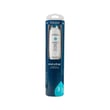
- Refrigerator water filter EDR3RXD1 (manufacturer part number 4396841) for normal water flow and filtration
- Evaporator fan motor (air movement through the freezer and into the fresh food section)
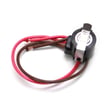
- Defrost system components (heater, thermostat, control) to prevent heavy frost buildup
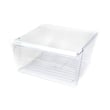
- Door gaskets and door alignment components to keep doors sealing properly
When a refrigerator runs hotter, leaks air, or struggles to move air, the compressor and fans run longer and wear faster. Simple maintenance (airflow, seals, correct temperatures, and filter changes) is the most reliable way to extend usable life and reduce mid-life repairs.
Last updated: January 2026
What is the most common problem with a whirlpool refrigerator?
For the Whirlpool ED5FHEXVB01 side-by-side refrigerator, the most common customer complaints we see are cooling performance issues, ice maker or water dispenser problems, and new or unusual noises. Many of these trace back to airflow restrictions (dirty coils), a weak fan motor, or water-supply components.
- Not cooling well or warm temperatures: dirty condenser coils, blocked vents, or an evaporator fan problem
- Ice maker not making ice: water supply issue, inlet valve problem, or ice maker failure
- Water dispenser slow or not dispensing: clogged filter, air in the line, or inlet valve issue
- Runs a lot: frequent door openings, warm room, heavy food load, or door not sealing
- Noises that seem “new”: normal valve, fan, and defrost sounds are common on this design
Use these steps before replacing parts:
- Confirm doors close fully and seals are making full contact
- Clean condenser coils and make sure airflow around the cabinet is open
- Set controls to recommended settings and allow 24 hours for temperature to stabilize
- If water or ice is weak, verify household water supply is on and line is not kinked
- Listen for where the noise comes from (freezer area often points to the evaporator fan)
The ED5FHEXVB01 can make intermittent operating noises that are considered normal.
| Sound | Often normal? | Common source |
|---|---|---|
| Buzzing | Yes | Water valve filling ice maker |
| Sizzling/gurgling | Yes | Defrost water hitting heater |
| Rattling | Sometimes | Refrigerant flow or items vibrating |
| Loud grinding/squealing | No | Fan motor or ice maker mechanism |
If your symptoms match, these are frequent fixes for this model:
- Refrigerator water filter EDR3RXD1 (clogs can reduce flow and ice production)
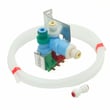
- Refrigerator inlet valve W10408179 (weak valve can cause slow fill or no ice)
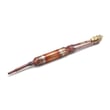
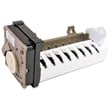
- Refrigerator ice maker WPW10190965 (mechanical or electrical failure)
Cooling, ice, and water issues can snowball: warm temps risk food spoilage, and restricted water flow can strain the inlet valve and reduce ice quality. Catching the root cause early usually prevents repeat failures.
For model-specific operating guidance and troubleshooting steps, follow the ED5FHEXVB01 owner's manual.
Last updated: January 2026