




How to do a hard reset on a GE dishwasher?
For a GE GDT630PMM5ES dishwasher, a hard reset is a full power reset: turn the dishwasher off at the breaker (or unplug it) for 1 to 5 minutes, then restore power and start a new cycle. This clears the control’s temporary faults and reboots the electronics.
Hard reset steps (power reset)
- Turn the dishwasher OFF.
- Switch the dishwasher circuit breaker OFF (or unplug the unit if accessible).
- Wait 1 to 5 minutes.
- Restore power (breaker ON or plug back in).
- Press Start/Reset and close the door to begin a cycle.
- If the control panel is unresponsive, wait 30 seconds after restoring power, then try again.
If it still will not run after the reset
These checks solve most “has power but won’t start” complaints on GE dishwashers:
- Confirm the door is fully closed and latching; a weak latch can prevent starting.
- Cancel the current cycle (press and hold Start/Reset for several seconds), then reselect a cycle.
- Check for standing water; a drain problem can stop a new cycle from starting.
- If you see an error code, use the code to guide the next repair step.
| Symptom after reset | Most common cause | Part to consider for GDT630PMM5ES |
|---|---|---|
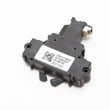
| Won’t start, door feels “loose” | Door not latching | GE dishwasher door latch lock WD21X10490 |
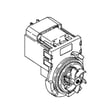
| Won’t drain, water remains | Drain restriction or failed drain pump | Dishwasher drain pump WD19X25461 |
| Error code returns quickly | Specific fault detected by control | GE electronic dishwasher error codes |
Why it matters
A power reset clears “stuck” control logic and lets you see whether the problem is a one-time glitch or a repeatable failure tied to a door latch, drain system, or an error code.
Last updated: January 2026
Do you really need a plumber to install a dishwasher?
You do not always need a plumber to install a GE dishwasher like model GDT630PMM5ES. If you are replacing an existing dishwasher with the same water supply, drain connection, and electrical setup, many homeowners can handle the swap safely. A plumber is the right choice when you need new plumbing work or want maximum leak protection.
When a DIY install usually makes sense
A straightforward replacement is typically DIY-friendly when all connections are already in place and in good condition.
- The shutoff valve under the sink works and does not leak
- The existing drain setup already has a proper high loop or air gap
- The dishwasher opening is the same size and the unit sits level
- The power connection is already correct (hardwired or cord, as applicable)
- You can pull the old unit out without damaging flooring or cabinets
When we recommend hiring a plumber (or plumber plus electrician)
These situations commonly lead to leaks, drain problems, or code issues if the install is rushed.
- You need to add or replace a shutoff valve, supply line, or drain connection
- You see corrosion, cracked hoses, or a history of leaking under the sink
- The drain hose routing is questionable (no high loop, kinks, or poor slope)
- You are converting from hardwired to corded power (or the reverse)
- You are not confident you can test for leaks and correct small seepage
Quick install checklist (what to verify before you slide it in)
| Item to verify | What “good” looks like | What to fix before running |
|---|---|---|
| Water supply | No drips at valve or fittings | Replace supply line or valve if seeping |
| Drain routing | High loop or air gap, no kinks | Re-route or replace hose |
| Leveling | Door closes smoothly, unit does not rock | Adjust leveling legs |
| First test run | No water under unit after fill and drain | Tighten fittings, correct hose routing |
Why it matters
Most dishwasher install problems are not “dishwasher problems”; they are small connection issues that turn into leaks, poor draining, or repeated error conditions. A careful install protects your cabinets, flooring, and the dishwasher’s wash performance.
If you discover a cracked or kinked drain line during installation, replacing the dishwasher drain hose WD24X10062 is a common fix.
Last updated: January 2026
What is the most common problem with GE dishwashers?
For the GE GDT630PMM5ES dishwasher, the most common problems we see are draining issues (water left in the tub), not starting (often a door-latch or control issue), and poor cleaning from restricted spray. These usually trace back to clogs, a failing pump, or a sensor/control problem.
Most common issues (and what they look like)
- Not draining: standing water after the cycle, gurgling, or a sink that backs up when the dishwasher drains
- Won’t start or stops mid-cycle: lights on but no wash action, beeping, or cycle won’t engage
- Not cleaning well: gritty dishes, food left behind, weak spray, or one rack not getting clean
- Not drying: wet dishes at end of cycle, especially plastics
- Leaks: water at the front corners or under the unit
Quick checks we recommend first
- Cancel the cycle and run a drain; listen for the drain pump running.
- Check the sink/disposal connection for a blockage (and confirm the disposal knockout plug was removed if recently installed).
- Inspect the drain hose routing for kinks and make sure it has a high loop.
- Clean the filter area and remove any debris around the sump.
- Confirm the door closes firmly; a weak latch can prevent starting.
Parts that commonly solve these symptoms on this model
| Symptom | Common suspect part | Example part for GDT630PMM5ES |
|---|---|---|
| Water won’t drain | Drain pump or drain hose restriction | Dishwasher drain pump WD19X25461 |
| Won’t start | Door latch lock | GE dishwasher door latch lock WD21X10490 |
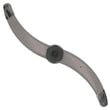
| Poor cleaning | Clogged or damaged spray arm | Dishwasher spray arm, lower WD22X33499 |
| Fill or water level problems | Inlet valve or pressure sensing issue | GE dishwasher pressure sensor WD21X25468 |
Why it matters
Drain and wash performance problems can cascade: restricted draining can trigger error conditions, and weak wash circulation can leave detergent undissolved and dishes dirty. Fixing the root cause early helps protect the wash pump, heater, and control system.
For code-based troubleshooting, use our GE electronic dishwasher error codes guide.
Last updated: January 2026
Can a clogged drain cause an FTD error?
Yes. On the GE GDT630PMM5ES dishwasher, an FTD (fail to drain) error commonly happens when water cannot leave the tub fast enough due to a clog in the filter area, drain hose, air gap, or the sink disposal connection.
What to check first (fast, no parts)
- Cancel the cycle and let the unit try to drain; listen for the drain pump running.
- Remove standing water (cup or wet/dry vac) so you can inspect the sump area.
- Check the filter and sump for labels, glass, food debris, or a twist-tie.
- Inspect the sink drain/disposal inlet where the dishwasher hose connects; clear the port.
- If you have an air gap, remove the cap and clear any blockage.
Clog locations and what they look like
| Where the clog is | Common symptom | What to do |
|---|---|---|
| Filter/sump area | Grity water left in bottom | Clean debris from sump and filter area |
| Drain hose | Slow drain, intermittent FTD | Straighten kinks; flush hose |
| Disposal/dishwasher inlet | Drains poorly right after install | Clear the inlet; confirm knockout plug is removed |
| Drain pump/impeller | Pump hums but little water moves | Check for debris; replace pump if damaged |
When a part is likely needed
A clog can trigger FTD, but if the drain path is clear and it still will not drain, the issue is often the pump or a control-related drain command.
- If the pump runs loudly or only hums: consider the dishwasher drain pump WD19X25461.
- If draining is inconsistent and you suspect water-level sensing issues: check the GE dishwasher pressure sensor WD21X25468.
- If the hose is split, soft, or permanently kinked: replace the dishwasher drain hose WD24X10062.
Why it matters
FTD is the dishwasher protecting itself from operating with dirty, standing water. Clearing the drain path prevents odors, improves cleaning, and helps avoid repeat drain errors.
For code-specific troubleshooting steps, use our GE electronic dishwasher error codes guide.
Last updated: January 2026





