 Installation guide
 Owner’s manual



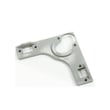
Can LG SideKick be used with any washer?
No. The LG SideKick pedestal washer (model WD100CV) is built to pair with specific LG washers, not every washer brand or model. Fit depends on the main washer’s width, pedestal mounting pattern, and control-console clearance; we recommend confirming compatibility in the WD100CV installation guide.
What “compatible” means for SideKick setups
SideKick compatibility is mainly about physical fit and safe mounting, not just whether the washer can run next to it.
- The main washer must be designed to sit on a pedestal washer base
- Width and foot spacing must match the pedestal top
- The washer cabinet and controls must clear the SideKick lid and top surface
- Water and drain routing must work without kinks or pinches
- The combined height must work for your space and hookups
Quick compatibility checklist (before you buy or install)
Use this checklist with your main washer’s model number and measurements.
| Check | What to look for | Why it matters |
|---|---|---|
| Brand | LG washer | SideKick is designed around LG pedestal mounting |
| Width | Typically 27-inch class (varies by series) | Prevents overhang and misalignment |
| Controls | Front controls often fit best | Avoids console interference |
| Pedestal mounting | Matching bolt/slot pattern | Keeps the washer stable |
If you already have WD100CV and it does not fit
Start with installation and leveling basics, then move to plumbing alignment.
- Verify the main washer is the correct compatible series for SideKick
- Recheck leveling on both units; an unlevel base can cause vibration and lid issues
- Confirm drain routing; use the correct connector if your setup requires it
- Inspect for pinched hoses and loose clamps (a leak can start at a clamp)
If you’re correcting a drain connection at the pedestal, the washer pedestal drain hose connector MCD63147101 is a common related part for this model.
Why it matters
Using SideKick with a non-compatible washer can cause excessive vibration, poor lid sealing, leaks, or unstable stacking. Confirming fit first protects the washer cabinet, drain routing, and long-term reliability.
Last updated: February 2026
Do LG washers have a filter that needs to be cleaned?
Yes. LG washers typically have filters that need periodic cleaning to prevent slow draining, odors, and drain-related error codes. On the LG WD100CV, the most common routine items are the drain pump filter (if equipped) and the water inlet screens at the hose connections; cleaning them helps the washer fill and drain normally.
What to clean (and where it is)
- Drain pump filter (front-load style design): Usually behind a small access panel near the lower front; you drain residual water first, then remove and rinse the filter.
- Water inlet screens: Small mesh screens inside the hot and cold inlet ports on the back of the washer where the fill hoses attach.
- Tub and door/boot area (if applicable): Wipe residue to reduce mildew and musty smells.
For model-specific access steps and panel locations, follow the WD100CV owner's manual.
Quick cleaning steps
- Unplug the washer.
- Place towels and a shallow pan under the lower front area (for drain-filter cleaning).
- If your model has a drain hose for the filter area, drain water slowly into the pan.
- Remove the filter cap, rinse debris, and reinstall snugly.
- Turn off water, remove fill hoses, and gently clean inlet screens; reinstall hoses and check for leaks.
How often should we clean it?
| Item | Typical interval | What it prevents |
|---|---|---|
| Drain pump filter | About monthly (or after heavy/linty loads) | Slow drain, standing water, odors |
| Water inlet screens | Every 6 to 12 months | Slow fill, fill errors, poor rinse |
| Tub/door area wipe-down | Weekly to monthly | Musty smell, residue buildup |
Why it matters
A partially clogged filter or inlet screen makes the washer work harder. That can lead to longer cycle times, poor rinsing, and drain pump strain (especially if coins, lint, or small items get into the drain path).
Related help for LG washer drain and balance issues
If you are seeing unbalance-related codes during spin, use our LG front load washer ue error code guide to match symptoms to the right fix.
Last updated: February 2026
How do I get my LG washer to drain and spin?
To make your LG WD100CV washer drain and spin, we recommend selecting a spin-only cycle (or drain and spin option) from the control panel, then starting the cycle. If it drains but will not spin, the load balance and lid lock are the first things to check.
Quick steps: drain and spin
- Press Power to turn the washer on.
- Select Spin (or Drain/Spin, if shown on your panel).
- Choose a spin speed (if you select No Spin, the washer will drain only).
- Press Start/Pause.
For the exact button sequence and cycle names used on your control panel, follow the WD100CV owner's manual.
If it drains but will not spin
These are the most common causes and what we do first:
- Unbalanced load: redistribute items; wash 1 bulky item with a few towels.
- Washer not level: level the pedestal/feet so the tub can ramp up to spin.
- Lid not locking: if the lid does not click and lock, the washer may stop before high spin.
- Over-sudsing: too much HE detergent can prevent proper spinning; run a rinse and spin.
- Drain issue: slow draining can stop the spin; check for kinks or restrictions in the drain hose.
If you suspect the lid is not locking, the washer lid lock assembly EAU63143510 is the model-matched part to inspect/replace.
What to expect (normal vs. problem)
| What you see | Usually means | What to do |
|---|---|---|
| Water pumps out, then stops before fast spin | Load is out of balance | Rebalance load; restart spin |
| Hums but drains slowly | Partial drain restriction | Check drain hose routing |
| Won’t start spin and lid never locks | Lid lock problem | Inspect latch/strike; test lid lock |
Why it matters
A washer must drain first before it can safely reach high RPM spin. Fixing balance, leveling, and lid-lock issues prevents repeated cycle stops, wet loads, and extra wear on suspension components.
Last updated: February 2026
How much does it cost to replace a rubber seal on an LG washing machine?
For an LG washer like model WD100CV, replacing the rubber door seal (also called a door boot or gasket) typically costs $50 to $120 for the part; with professional labor, the usual total is about $150 to $270. DIY replacement mainly saves labor cost.
Typical cost breakdown
Costs vary by region and service company, but these ranges are common for LG washers.
- Part (rubber seal/gasket): $50 to $120
- Labor (service call + install): $100 to $150
- Typical total (pro repair): $150 to $270
- DIY total: usually just the part cost (plus basic tools)
| Scenario | What you pay for | Typical total |
|---|---|---|
| DIY replacement | Part only | $50 to $120 |
| Professional replacement | Part + labor | $150 to $270 |
What changes the price
A few practical factors move the total up or down.
- Washer design and access: some seals require more disassembly time
- Clamp style and condition: rusted or distorted clamps add time
- Leak cause: a torn gasket is different from a leak caused by oversudsing or a drain issue
- Local labor rates: metro areas usually cost more
- Extra parts found during service: damaged hoses or connectors can add cost
Why it matters
A leaking door seal can cause water damage, odors, and repeat leaks if the real cause is debris, overloading, or a mis-seated clamp. Following the correct disassembly and clamp seating steps in the WD100CV owner’s manual helps prevent a second repair.
Before you replace the seal (quick checks)
These checks often explain why the gasket started leaking.
- Clean the inner lip and folds; remove coins, hair, and detergent buildup
- Check for small tears at the bottom of the seal where items collect
- Confirm the washer is level and not overloaded
- Use the right detergent amount to reduce oversudsing
- Run a cleaning cycle periodically (helps prevent odor and residue)
Last updated: February 2026
What are some WD100CV user reviews?
Many owners describe the LG WD100CV pedestal washer as surprisingly useful for small loads, delicates, and quick “hand-wash” type items. A common theme is convenience: people like being able to run the WD100CV at the same time as their main washer and getting reminders for steps like adding fabric softener (see the WD100CV owner's manual for the exact alert behavior and cycle options).
What customers commonly like
- Great for small, frequent loads (socks, workout gear, delicates)
- Helpful for “separate wash” needs (lightly soiled items, quick refresh)
- Convenient to run alongside a full-size washer
- Easy to keep specialty items from mixing with heavier loads
- Alerts and cycle prompts feel “hands-on” and user-friendly
Quick “is it worth it?” checklist
| If you often wash... | WD100CV tends to feel... | Why |
|---|---|---|
| Small loads daily | Worth it | Saves time vs. waiting for a full load |
| Delicates and hand-wash items | Worth it | Gentler, more controlled cycles |
| Large family loads only | Less essential | Main washer already covers most needs |
| Items that need separation | Worth it | Reduces re-washing and sorting |
Tips to get the same results reviewers mention
- Use the right cycle for the fabric type; avoid overloading small-capacity cycles.
- Measure detergent carefully; too much can cause residue and odors.
- Keep the unit level to reduce vibration and noise.
- If you ever see balance-related issues, use LG-specific guidance like LG front load washer ue error code to correct loading and leveling habits.
Why it matters
A pedestal washer like the LG WD100CV is all about convenience and fabric care. If you do frequent small loads or want to keep delicates separate, the “time saved” and “less sorting” benefits are exactly what many reviewers highlight.
Last updated: February 2026
What is the average lifespan of an LG washer?
Most LG washers, including model WD100CV, typically last 10 to 15 years with normal household use and basic maintenance. Consistent cleaning, correct loading, and fixing small issues early are what most often separate a 10-year washer from a 15-year washer (or longer); see the WD100CV owner's manual for model-specific care routines.
Typical lifespan and what changes it
A washer’s life is mainly driven by load size, cycle frequency, water quality, and how well the unit stays level.
- Average household use: 10 to 15 years
- Heavy use (large family, daily loads): closer to 8 to 12 years
- Light use (few loads per week): often 12 to 18 years
- Hard water / lots of detergent: can shorten life by causing buildup and odors
- Out-of-level installation: increases vibration and wear on suspension and tub components
Maintenance that extends washer life
These habits reduce strain on the motor, drain system, and tub.
- Do not overload; leave room for items to tumble freely
- Use the right amount of HE detergent; too much causes residue and odors
- Run periodic tub-clean cycles and wipe moisture from seals and surfaces
- Check hoses and connections for seepage; tighten or replace clamps as needed
- Keep the washer level to reduce shaking and suspension wear
Common wear items over time (and what they affect)
| Symptom | Often related to | Example part for WD100CV |
|---|---|---|
| Not draining, water left in tub | Drain pump or blockage | Washer drain pump assembly AHA74453902 |
| Slow fill or no fill | Inlet valve or screen blockage | Washer water inlet valve 5220FR1280P |
| Leaks at hose connections | Clamp or connector | Washer hose clamp 4861FR3068A |
Why it matters
Knowing the typical 10 to 15-year lifespan helps us decide whether to maintain and repair the washer (often cost-effective) or plan for replacement when multiple major components start failing close together.
Last updated: February 2026
What is the most common problem with LG washers?
Drain and spin-related issues are the most common problems we see with LG washers, including the LG WD100CV. Typical symptoms include not draining, stopping mid-cycle, or shaking during spin because of a restriction in the drain path, a failing pump, or an unbalanced load. For model-specific operating checks, use the WD100CV owner's manual.
Most common issues (and what they look like)
- Drainage problems: water left in the tub, slow drain, or a cycle that won’t finish.
- Out-of-balance spin (vibration/“walking”): loud banging, excessive shaking, or repeated rebalancing.
- Fill problems: slow fill, no fill, or incorrect water level.
- Lid/lock related interruptions: won’t start or stops when the lock doesn’t engage.
- Odor and residue: musty smell from detergent buildup and moisture.
Quick checks we recommend first
- Run a small load to confirm whether the issue is load-size related.
- Verify the washer is level and all feet are firmly on the floor.
- Check the drain hose for kinks and confirm the standpipe height matches the WD100CV installation guide.
- If you suspect a drain failure, inspect the pump area and connections; a failing pump can require replacing the washer drain pump assembly AHA74453902.
- If the washer won’t fill correctly, a sticking valve can require replacing the washer water inlet valve 5220FR1280P.
Common symptoms and likely causes
| Symptom | Most likely cause | What to do next |
|---|---|---|
| Water won’t drain | Drain restriction or weak pump | Check hose routing; inspect pump and connections |
| Shakes hard on spin | Unbalanced load or leveling issue | Redistribute load; level the washer |
| Won’t fill or fills slowly | Inlet screens/valve issue | Confirm water supply; consider inlet valve replacement |
| Stops and won’t run | Lock not engaging | Check lid/lock alignment and wiring |
Why it matters
Drain and balance problems can trigger repeated cycle interruptions and extra wear on the tub, suspension, and control system. Catching the root cause early helps prevent leaks, noise, and longer repair time.
Last updated: February 2026


