Error Codes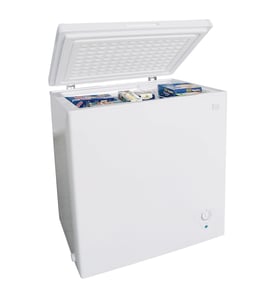



How many cubic feet is a Kenmore freezer model 2539185212?
We size Kenmore chest freezer model 2539185212 by its cubic-foot storage capacity, but that exact capacity is not provided in the model information available here. Most Kenmore chest freezers of this style commonly fall in the 5 to 15 cubic feet range, depending on the cabinet size.
We recommend estimating capacity from the interior dimensions (in inches) if you cannot find the rating label.
- Measure interior width (left to right)
- Measure interior depth (front to back)
- Measure interior height (bottom to rim)
- Multiply: width × depth × height = cubic inches
- Convert to cubic feet: cubic inches ÷ 1,728 = cubic feet
| Measurement | Value |
|---|---|
| 1 cubic foot | 1,728 cubic inches |
| 10 cubic feet | 17,280 cubic inches |
| 15 cubic feet | 25,920 cubic inches |
On Kenmore chest freezers, the capacity is typically printed on the model and serial tag.
- Inside the cabinet wall near the top rim
- On the back exterior panel
- Near the compressor compartment area
If your label is missing or unreadable, replacing the label will not change capacity, but it can help restore key identification info for ordering parts like a lid gasket or light components.
Capacity affects how you plan storage (baskets, bulk items) and can also help you match the correct parts and accessories for Kenmore model 2539185212, especially lid and lighting-related items.
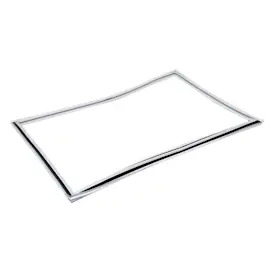
For lid sealing issues that reduce usable space due to frost buildup, check the condition of the freezer lid gasket 216481211.
Last updated: January 2026
What are the most common issues with 2539185212?
The most common issues we see with the Kenmore 2539185212 chest freezer are warm temperatures, heavy frost buildup, lid sealing problems, and interior light or switch failures. Many symptoms trace back to airflow restrictions, dirty condenser surfaces, or lid gasket and wiring issues.
- Freezer not cold enough: dirty condenser coil, poor ventilation around the cabinet, weak start components, or a sealed-system problem
- Excessive frost or ice: lid not sealing, frequent openings, humid location, or a damaged gasket
- Runs constantly: warm room temperature, overloading, lid not sealing, condenser coil needs cleaning
- Light not working (if equipped): bulb, socket, or door switch/plunger issue
- Intermittent operation: loose wiring connections in the lid harness or cabinet harness
- Confirm the control is set colder and the lid closes fully.
- Check the lid seal for gaps, tears, or hardened sections.
- Clean dust from the condenser area and keep clearance around the freezer.
- Let the freezer stabilize for 24 hours after large loads of unfrozen food.
- If the light is out, inspect the bulb and switch components.
| Symptom | Common part area | Example part for this model |
|---|---|---|
| Frost buildup, warm temps | Lid seal | Freezer lid gasket 216481211 |
| Light not working | Bulb or socket | Lamp bulb 5304517886, light socket 216684000 |
| Light stays on or won’t turn on | Door switch/plunger | Light plunger 297243800 |
| Intermittent electrical issues | Lid wiring | Harness lid 216685800 |
A chest freezer depends on a tight lid seal and clean heat-exchange surfaces to hold safe temperatures efficiently. Fixing gasket, light-switch, or wiring issues early helps prevent food thawing, heavy frost, and unnecessary compressor run time.
Last updated: March 2026
What can cause a chest freezer to stop working?
A Kenmore chest freezer model 2539185212 can stop working because it is not getting power, the lid is not sealing, airflow and heat removal are restricted, or a key electrical or sealed-system component has failed. Start with power and temperature checks, then inspect cooling and wiring.
- Confirm the outlet has power (try a lamp) and reset any tripped breaker.
- Make sure the temperature control is set colder and wait 24 hours after changes.
- Check the lid closes fully and the gasket is clean and seated.
- Look for heavy frost buildup that can block cooling.
- Clean dust from the condenser area and ensure good ventilation around the freezer.
| Symptom | Likely cause | What to do next |
|---|---|---|
| Completely dead (no light, no sound) | No power, damaged cord/outlet | Verify outlet power, breaker, and plug fit |
| Runs but not freezing | Dirty condenser, poor airflow, lid not sealing | Clean coils/area, improve clearance, inspect gasket |
| Clicking or hum then stops | Start device/capacitor issue, compressor struggling | Unplug and schedule service if it repeats |
| Frost and warm temps | Lid left open, gasket leak, frequent openings | Reduce openings, check seal, defrost if needed |
| Intermittent operation | Loose/broken wiring, lid switch issue | Inspect wiring and lid switch components |
If you find a clear failure point, these model-matched parts are commonly related to “stopped working” complaints:
- Freezer wire harness 216676500 (damaged or loose wiring can interrupt power to components)
- Harness lid 216685800 (wiring in the lid area can fail from flexing)
- Light plunger 297243800 (a sticking switch can cause odd light or lid-related symptoms)
- Freezer lid gasket 216481211 (air leaks can lead to frost and poor freezing)
A chest freezer depends on steady power, a tight lid seal, and the ability to dump heat through the condenser. When any of those are compromised, temperatures rise quickly and food safety becomes a concern.
Last updated: January 2026