Get free shipping on your order, with any water filter subscription. Find my filter

Open Hamburger Menu
Sears Parts Direct
Tips to find your model number
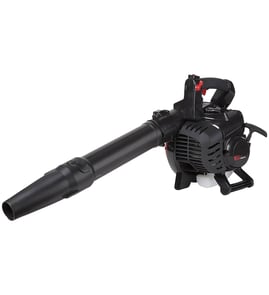
Poulan BVM200VS blower

Poulan BVM200VS blower Parts

Here are the diagrams and repair parts for Poulan BVM200VS blower, as well as links to manuals and error code tables, if available.

By Schematic
SELECT DIAGRAM
?

This is the number corresponding to the part on the diagram / schematic

Browse Parts for BVM200VS Leaf Blowers

  • Ayp Leaf Blower Tube for Poulan BVM200VS - Part 590606401

    Vac bag/tubes diagram

    Leaf Blower Tube, Upper

    Part #545100501

    Replaced by #590606401

    Info Icon
    Manufacturer substitution
    This part replaces 545100501. Substitute parts can look different from the original.
    In Stock
    $52.48
    Minus Item
    Qty
    Plus Item
  • Line Trimmer Recoil Starter Spring for Poulan BVM200VS - Part 545008011

    Handle/scroll/fuel tank diagram

    Start Spring

    Part #530042086

    Replaced by #545008011

    Info Icon
    Manufacturer substitution
    This part replaces 530042086. Substitute parts can look different from the original.
    This item is not returnable
    In Stock
    $33.92
    Minus Item
    Qty
    Plus Item
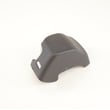
  • Weed Eater Leaf Blower Muffler Assembly for Poulan BVM200VS - Part 525592801

    Muffler/cylinder/crankshaft diagram

    Muffler Assembly

    Part #545090001

    Replaced by #525592801

    Info Icon
    Manufacturer substitution
    This part replaces 545090001. Substitute parts can look different from the original.
    In Stock
    $66.08
    8% OFF Phone Price : $72.08Info Icon
    Minus Item
    Qty
    Plus Item
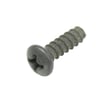
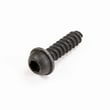
  • Lawn & Garden Equipment Fuel Tank Screw for Poulan BVM200VS - Part 536317601

    Handle/scroll/fuel tank diagram

    Lawn & Garden Equipment Fuel Tank Screw

    Part #530016445

    Replaced by #536317601

    Info Icon
    Manufacturer substitution
    This part replaces 530016445. Substitute parts can look different from the original.
    This item is not returnable
    In Stock
    $3.97
    Minus Item
    Qty
    Plus Item
  • Start Instructions Decal for Poulan BVM200VS - Part 545001285

    #NI03

    All parts diagram

    Start Instructions Decal

    Part #545001285

    The manufacturer no longer makes this part, and there's no substitute part

  • Scroll Assembly for Poulan BVM200VS - Part 545134103

    Handle/scroll/fuel tank diagram

    Scroll Assembly

    Part #545134103

    The manufacturer no longer makes this part, and there's no substitute part

  • J-tube for Poulan BVM200VS - Part 545116601

    Vac bag/tubes diagram

    J-tube

    Part #545116601

    The manufacturer no longer makes this part, and there's no substitute part

  • Accy We Spar for Poulan BVM200VS - Part 952030249

    Muffler/cylinder/crankshaft diagram

    Accy We Spar

    Part #952030249

    The manufacturer no longer makes this part, and there's no substitute part

  • Fuel Tank for Poulan BVM200VS - Part 545100401

    Handle/scroll/fuel tank diagram

    Fuel Tank

    Part #545100401

    The manufacturer no longer makes this part, and there's no substitute part

  • Leaf Blower Belleville Washer for Poulan BVM200VS - Part 530016402

    Handle/scroll/fuel tank diagram

    Leaf Blower Belleville Washer

    Part #530016402

    The manufacturer no longer makes this part, and there's no substitute part

Poulan Blower BVM200VS FAQs

A good CFM for a battery-powered leaf blower is typically 200 to 400 CFM for light cleanup, 400 to 700 CFM for most yards, and 700+ CFM for heavy debris like wet leaves. Your Poulan BVM200VS is gas-powered, so compare performance by real-world cleanup speed and nozzle control, not battery runtime. For safe operating tips and proper setup, use the BVM200VS owner's manual.

Quick CFM guide (what to buy for your yard)

  • 200 to 400 CFM: patios, garage floors, light dry leaves
  • 400 to 700 CFM: typical suburban yards, moderate leaf piles
  • 700+ CFM: large properties, heavy or damp leaves, faster clearing
  • Pair higher CFM with good nozzle design and air speed (MPH) for best results
  • If you vacuum leaves, prioritize steady airflow and clog resistance (not just peak CFM)

CFM vs MPH: what matters most

CFM is air volume; MPH is air speed. In practice, you want both:

Task CFM priority MPH priority Why
Light sweeping on hard surfaces Medium Medium Controlled airflow prevents scattering
Moving piles of leaves High Medium Volume moves more material at once
Wet leaves and stuck debris High High Needs both force and volume

How this relates to your Poulan BVM200VS (gas)

Even though CFM ratings are often used for cordless blowers, the BVM200VS performance depends heavily on setup and technique:

  • Use the full nozzle extension so the air stream works close to the ground
  • Run at the lowest throttle that still does the job to reduce noise and fatigue
  • Keep the air intake and tubes clear; restricted airflow reduces blowing and vacuuming power
  • Never operate without the proper tubes or vacuum bag assembly installed

Why it matters

Choosing the right CFM range prevents buying a blower that feels weak (too low for your debris) or one that is harder to control (more power than you need). Matching airflow to your yard size also reduces cleanup time and helps avoid scattering debris into windows, cars, or landscaping.

Last updated: January 2026

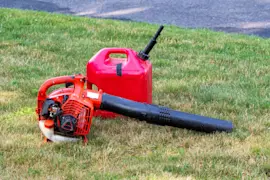
The Poulan BVM200VS is a gas-powered, 2-cycle handheld leaf blower designed to move yard debris like leaves and grass clippings using a high-velocity air stream. For safe operation and correct fuel mixing, follow the instructions in the BVM200VS owner's manual.

What it’s designed to do

This type of Poulan handheld blower is built for routine outdoor cleanup where you need focused airflow close to the ground.

  • Clears leaves, grass, and light debris from patios, porches, and driveways
  • Directs debris away from open windows, cars, children, and pets
  • Works best with the full nozzle extension installed
  • Uses a 2-cycle engine that requires mixed fuel (gasoline + 2-cycle oil)

Fuel and basic operating expectations (2-cycle)

The BVM200VS uses unleaded gasoline mixed with synthetic 2-cycle air-cooled engine oil at a 40:1 ratio.

Item What to use What to avoid
Gasoline Unleaded gasoline Old or contaminated fuel
Oil Synthetic 2-cycle air-cooled engine oil Automotive oil, marine oil
Mix ratio 40:1 Straight gas (no oil)

Common “what is it” confusion: model vs. marketing specs

You may see listings that describe a “26cc, 470 CFM, 200 MPH” handheld blower. Those are performance-style descriptors used for similar Poulan Pro blowers; the most reliable way to identify what you have is the model number on the unit tag (BVM200VS) and the matching parts breakdown.

Why it matters

Correct identification helps you buy the right parts and run the engine correctly. Using the proper 40:1 fuel mix and the correct nozzle setup improves starting, power, and engine life.

Last updated: January 2026

For the Poulan BVM200VS gas leaf blower, we mix unleaded gasoline with a good-quality synthetic 2-cycle air-cooled engine oil at a 40:1 ratio. That equals 32 ounces of oil per 1 gallon of gas for the correct fuel mix.

Correct 40:1 mix amounts

Use this quick guide when measuring fuel for your BVM200VS.

Gasoline amount Oil needed (40:1)
1 gallon 32 oz
1/2 gallon 16 oz
1 quart 3.2 oz

How we recommend mixing fuel

Mixing correctly helps the carburetor, fuel lines, and engine stay protected.

  • Use a clean, approved fuel container
  • Add the measured 2-cycle oil first
  • Add fresh unleaded gasoline
  • Cap and shake briefly to fully blend
  • Mix only what you expect to use soon

What to avoid

Using the wrong oil type or ratio can damage a 2-cycle blower engine.

  • Do not use automotive oil
  • Do not use marine oil
  • Do not guess the ratio by “eyeballing” oil
  • Do not run straight gas (no oil)

Why it matters

A 2-cycle engine relies on oil mixed into the fuel for lubrication. The correct 40:1 mixture reduces wear, helps prevent overheating, and supports reliable starting and steady power.

For the exact fueling and safety steps for your blower, follow the BVM200VS owner's manual.

Last updated: January 2026

Most common symptoms to help you fix your leaf blowers

Choose a symptom to see related leaf blower repairs.

Main causes: cracked fuel lines, leaky carburetor seals, damaged fuel tank cap, cracked fuel tank…

Repair guides for gas leaf blowers

These step-by-step repair guides will help you safely fix what’s broken on your leaf blower.

How to replace leaf blower fuel lines

How to replace leaf blower fuel lines

Leaf blower fuel lines deteriorate with time and eventually can split or crack. You can remove and replace them yourself…

Repair time and Difficulty

 60 minutes or less
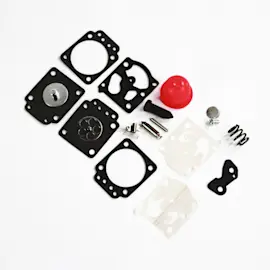
How to rebuild a leaf blower carburetor

How to rebuild a leaf blower carburetor

If the leaf blower engine won't start even though there's fuel in the tank, the carburetor could be the problem. Follow …

Repair time and Difficulty

 60 minutes or less
How to replace a leaf blower carburetor

How to replace a leaf blower carburetor

The carburetor could be the problem If the leaf blower engine won't start even though there's fuel in the tank. Follow t…

Repair time and Difficulty

 15 minutes or less

Effective articles & videos to help repair your leaf blowers

Use the advice and tips in these articles to get the most out of your leaf blower.

How to choose the right leaf blower nozzle

How to choose the right leaf blower nozzle

Blow smarter, not harder. Whether it’s heavy debris, sweeping, or detail work near landscaping, match the nozzle to the …

Why your leaf blower is losing power: common causes and easy fixes

Why your leaf blower is losing power: common causes and easy fixes

Is your gas leaf blower bogging down? Find out what’s causing the power loss and how to fix it fast with easy DIY tips a…

End of summer leaf blower tune-up

End of summer leaf blower tune-up

End summer with a quick leaf blower tune-up. Fresh fuel, clean filters, and simple checks now mean easier starts when fa…

Parts & More

Air Compressor
Bottom-Mount Refrigerator
Dishwasher
Dozer Attachment
Dryer
Electric Leaf Blower
Front-Engine Lawn Tractor
Gas Range
Gas Snowblower
Gas Walk-Behind Mower
Gas Water Heater
Parts
Rear-Engine Riding Mower
Side-By-Side Refrigerator
Television