Owner’s manual
 Error Codes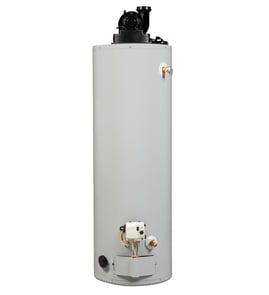



What is the life expectancy of a Kenmore water heater?
Most Kenmore tank-style water heaters typically last 8 to 12 years. For Kenmore model 153331150, regular maintenance like inspecting the anode rod and operating the temperature and pressure relief valve yearly helps you reach the upper end of that range; see the 153331150 owner's manual.
What affects lifespan the most
- Water quality and sediment: hard water and heavy sediment shorten tank life.
- Anode rod condition: a depleted anode rod lets the tank corrode faster.
- Temperature setting: higher settings increase stress on the tank and components.
- Leak exposure: small plumbing leaks can accelerate corrosion and damage nearby areas.
- Maintenance history: neglected flushing and inspections reduce service life.
Maintenance schedule we recommend for model 153331150
The manual calls out specific intervals that directly impact longevity.
| Task | When to do it | Why it helps |
|---|---|---|
| Inspect anode rod | By year 3, then yearly | Slows tank corrosion |
| Operate T and P relief valve | At least once a year | Confirms safety valve works |
| Check for leaks and venting issues | Monthly quick check | Prevents damage and unsafe operation |
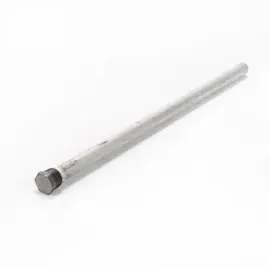
If your anode rod is due, use the correct replacement for this model such as the water heater anode rod 100108660.
Signs your water heater is near end of life
- Rust-colored water or metallic odor at hot taps
- Rumbling or popping sounds from sediment buildup
- Moisture or corrosion around the tank bottom
- Pilot problems that keep returning after basic cleaning
- Reduced hot water capacity compared to prior years
Why it matters
All storage-tank water heaters eventually leak after extended use. Planning maintenance and watching for early warning signs helps you avoid unexpected water damage and keeps your Kenmore gas water heater running efficiently.
Last updated: January 2026
How do I read my water heater model number?
Your Kenmore water heater model number is printed on the rating plate (label) attached to the tank. For model 153331150, use that exact model number when ordering parts or looking up instructions in the 153331150 owner's manual.
Where to find the model number on the heater
Look for the rating plate on the outside of the tank. In the manual, this label is identified as the rating plate.
Common places to check:
- On the side of the tank near the gas control valve/thermostat
- Near the burner access area and doors
- On the upper sidewall of the tank where it is easy to read
What to write down (and what to ignore)
When you contact service or order parts, we recommend recording the key identifiers and skipping the rest.
Write down:
- Model number (example: 153331150)
- Serial number (on the same label)
- Gas type (natural gas or propane, shown on the label)
- Any diagnostic status light flash code if your unit has one
You can usually ignore for parts lookup:
- BTU and other rating details unless a technician asks for them
- Installation standards references
Quick checklist for parts and service calls
Use this checklist so we can match the correct Kenmore water heater parts list:
- Confirm the model number matches exactly: 153331150
- Match the part description to the symptom (pilot won’t stay lit, no hot water, etc.)
- If you are replacing ignition-related parts, verify the correct assembly (for example, the water heater pilot assembly 100112330)
Model number vs. serial number (what each means)
| Item | What it identifies | Why it matters |
|---|---|---|
| Model number | The design and parts list | Ensures correct part fit |
| Serial number | The specific unit built | Helps with service history and production details |
Why it matters
Kenmore water heaters often share similar-looking components across sizes (for example, 40-gallon vs. 50-gallon). Using the exact model number 153331150 prevents ordering the wrong gas control valve, pilot assembly, thermocouple, or burner parts.
Last updated: January 2026
How to tell year of water heater by serial number?
For your Kenmore gas water heater model 153331150, the year is determined by decoding the serial number on the rating plate; the exact format depends on the manufacturer that built the Kenmore unit. Use the decoding guidance in the 153331150 owner's manual and match the serial format to the correct brand-style chart to identify the production month and year.
Where to find the serial number (fastest way)
Look on the water heater’s rating label (typically on the side of the tank). Write down these items before you start decoding:
- Model number: 153331150
- Serial number (copy it exactly)
- Gas type (natural gas or propane)
- Product number (if shown)
How serial number dating usually works
Most water heater serial numbers encode a date in one of these common patterns:
- YYWW: year and week of manufacture (example: 1220 = 20th week of 2012)
- MMYY: month and year (example: 0516 = May 2016)
- Letter + numbers: a letter for month plus digits for year (varies by maker)
- Embedded date: date appears in the middle of a longer serial string
Because Kenmore-branded tanks were built by different manufacturers over the years, the same “Kenmore” name can have different serial formats.
Quick decision table
Use this to narrow down what you are looking at before you use a decoding chart.
| What you see in the serial number | What it usually means | What to do next |
|---|---|---|
| Starts with 4 digits | Often a date block (YYWW or MMYY) | Try decoding the first 4 digits first |
| Starts with a letter | Letter may represent month or plant code | Use a letter-based month chart |
| Has a clear 2-digit year inside | Year is often present as two digits | Confirm month or week elsewhere in the serial |
Why the manufacture year matters
Knowing the build year helps us plan the right next step for reliability and parts:
- Set expectations for typical service life (most tank-style gas water heaters last 10 to 12 years)
- Decide whether maintenance is due (flushing, burner inspection, venting check)
- Prioritize common wear items like an anode rod
If you are already seeing rust-colored water or sulfur odor, checking the anode is a smart next step; the water heater anode rod 100108660 is a common replacement part for this model.
Last updated: January 2026
What are the parts on a gas water heater?
On the Kenmore 153331150 gas water heater, the main parts include the tank, gas control valve/thermostat, burner and pilot components, venting parts, and safety devices like the temperature and pressure relief valve. Our 153331150 owner's manual also lists the model’s serviceable components.
Key parts you will typically find
These are the most common components on a tank-style gas water heater like the Kenmore 153331150:
- Anode rod(s): helps protect the tank from corrosion (primary and secondary)
- Gas control valve/thermostat: regulates gas flow and water temperature
- Burner assembly: creates the flame that heats the tank
- Pilot assembly and thermocouple/thermopile: lights and proves the pilot flame
- Draft hood and venting: directs combustion gases into the vent
- Drain valve: used to drain the tank for maintenance
- Temperature and pressure (T&P) relief valve: safety valve to relieve excess pressure/temperature
- Air intake or base-ring filter (FVIR models): helps keep lint and debris out of the combustion air path
Model-specific parts called out for Kenmore 153331150
The parts list for this model includes items such as anode rods, base-ring filter, burner head and orifice, draft hood, drain valve, gas control valve/thermostat, pilot assembly, and T&P relief valve.
| System | What it does | Example part on this model |
|---|---|---|
| Corrosion protection | Extends tank life | Water heater anode rod 100108660 |
| Gas ignition | Lights and maintains flame | Water heater pilot assembly 100112330 |
| Temperature control | Sets water temp, controls gas | American water heaters water heater gas control valve 100112337 |
| Safety relief | Prevents overpressure/overheat | Water heater temperature and pressure relief valve |
Why it matters
Knowing the major parts helps you troubleshoot symptoms faster (no hot water, pilot won’t stay lit, leaks at the drain valve) and order the correct replacement by matching the model number and the part description.
Helpful tip before ordering
When ordering parts for the Kenmore 153331150, have these details ready:
- Model number and serial number
- Type of gas (natural gas or LP)
- Part description
- Item number from the parts list in the manual
Last updated: January 2026
What is the most common problem with gas water heaters?
The most common problem we see with gas water heaters like Kenmore model 153331150 is ignition trouble: the pilot will not light or will not stay lit. A dirty burner area, restricted combustion air, venting problems, or a weak safety sensor (thermocouple) are frequent root causes; sediment and condensation can also mimic bigger failures.
Most common symptoms and what they usually point to
- Pilot goes out shortly after lighting: thermocouple issue, dirty pilot, or combustion air restriction
- Slow hot water recovery: blocked air intake, dirty flame-arrestor area, or venting/flue restriction
- Sooting around the burner area: combustion or venting problem that needs correction before continued use
- Water under the heater: normal condensation during cold months, or a plumbing connection leak
- Drip from the relief valve: excessive water pressure, “stacking” (overheating), or thermal expansion
Quick checks you can do safely
- Confirm the area around the heater is clear; combustion and ventilation airflow must not be obstructed.
- Look at the venting system at least yearly for blockage, damage, or deterioration.
- If you see soot, turn the gas control to OFF and correct the cause before operating again.
- If you notice water on the floor right after start-up, allow 1 to 2 hours for the tank to warm; condensation can look like a leak.
- Use the troubleshooting chart in the 153331150 owner's manual to match your symptom to corrective actions.
Common “pilot won’t stay lit” parts for this model
If basic airflow and venting checks look good, ignition components are the next place we look.
| What fails most often | What it does | Model-matched part to check |
|---|---|---|
| Thermocouple | Proves pilot flame is present so gas can stay on | Water heater thermocouple 100112327 |
| Pilot assembly | Delivers pilot gas and flame at the burner | Water heater pilot assembly 100112330 |
| Gas control valve | Regulates gas flow and temperature control | American water heaters water heater gas control valve 100112337 |
Why it matters
Gas water heater ignition and venting issues can lead to poor combustion, sooting, and unsafe flue gas conditions. Keeping airflow paths clear and inspecting venting regularly helps the Kenmore 153331150 heat water efficiently and operate as designed.
Last updated: January 2026
Can you replace parts on a water heater?
Yes. On the Kenmore 153331150 gas water heater, many service parts can be replaced to restore heating and extend the heater’s life, such as the pilot/thermocouple, burner components, gas control valve, drain valve, and anode rod. Always shut off gas and water before servicing.
Parts you can commonly replace on this model
These are typical replaceable items on the Kenmore 153331150, and several are available as model-matched parts:
- Ignition and pilot components (pilot assembly, thermocouple)
- Burner components (burner assembly, orifice)
- Gas control valve/thermostat
- Tank protection parts (anode rod)
- Leak-related service parts (drain valve, T&P relief valve)
| Symptom | Likely part area | Example model-matched part |
|---|---|---|
| Pilot will not stay lit | Pilot/thermocouple | Water heater thermocouple 100112327 |
| No main burner flame | Burner/pilot | Water heater pilot assembly 100112330 |
| Poor or unstable burner flame | Burner/orifice | Orifice 100111409 |
| Water has odor or tank corrodes faster | Anode system | Water heater anode rod 100108660 |
Safety and “stop now” situations
We follow the safety guidance in the owner's manual and recommend a qualified technician for gas and combustion-related repairs.
- Turn the gas control knob to OFF before inspecting or servicing burner components.
- Keep combustion air openings clear; do not store flammables near the heater.
- If you suspect a flammable vapor event or the thermal safety has tripped due to venting/air issues, correct venting and combustion air problems before attempting restart.
- If the heater has been exposed to flooding, replace the unit rather than attempting repair.
Why it matters
Replacing the right part can fix “no hot water,” pilot outages, or nuisance shutdowns without replacing the entire heater. It also helps prevent secondary damage, such as soot from poor combustion or premature tank wear when an anode rod is depleted.
Last updated: January 2026