Owner’s manual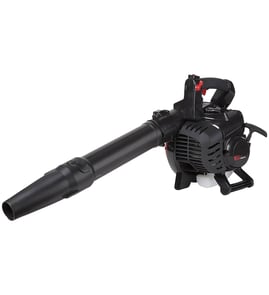

What is a good CFM for a battery-powered leaf blower?
A good CFM for a battery-powered leaf blower is typically 200 to 400 CFM for light cleanup, 400 to 700 CFM for most yards, and 700+ CFM for heavy debris like wet leaves. Your Poulan BVM200VS is gas-powered, so compare performance by real-world cleanup speed and nozzle control, not battery runtime. For safe operating tips and proper setup, use the BVM200VS owner's manual.
- 200 to 400 CFM: patios, garage floors, light dry leaves
- 400 to 700 CFM: typical suburban yards, moderate leaf piles
- 700+ CFM: large properties, heavy or damp leaves, faster clearing
- Pair higher CFM with good nozzle design and air speed (MPH) for best results
- If you vacuum leaves, prioritize steady airflow and clog resistance (not just peak CFM)
CFM is air volume; MPH is air speed. In practice, you want both:
| Task | CFM priority | MPH priority | Why |
|---|---|---|---|
| Light sweeping on hard surfaces | Medium | Medium | Controlled airflow prevents scattering |
| Moving piles of leaves | High | Medium | Volume moves more material at once |
| Wet leaves and stuck debris | High | High | Needs both force and volume |
Even though CFM ratings are often used for cordless blowers, the BVM200VS performance depends heavily on setup and technique:
- Use the full nozzle extension so the air stream works close to the ground
- Run at the lowest throttle that still does the job to reduce noise and fatigue
- Keep the air intake and tubes clear; restricted airflow reduces blowing and vacuuming power
- Never operate without the proper tubes or vacuum bag assembly installed
Choosing the right CFM range prevents buying a blower that feels weak (too low for your debris) or one that is harder to control (more power than you need). Matching airflow to your yard size also reduces cleanup time and helps avoid scattering debris into windows, cars, or landscaping.
Last updated: January 2026
What is the Poulan Pro 26cc 2-cycle handheld 470 CFM 200 mph leaf blower?
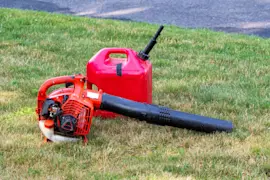
The Poulan BVM200VS is a gas-powered, 2-cycle handheld leaf blower designed to move yard debris like leaves and grass clippings using a high-velocity air stream. For safe operation and correct fuel mixing, follow the instructions in the BVM200VS owner's manual.
This type of Poulan handheld blower is built for routine outdoor cleanup where you need focused airflow close to the ground.
- Clears leaves, grass, and light debris from patios, porches, and driveways
- Directs debris away from open windows, cars, children, and pets
- Works best with the full nozzle extension installed
- Uses a 2-cycle engine that requires mixed fuel (gasoline + 2-cycle oil)
The BVM200VS uses unleaded gasoline mixed with synthetic 2-cycle air-cooled engine oil at a 40:1 ratio.
| Item | What to use | What to avoid |
|---|---|---|
| Gasoline | Unleaded gasoline | Old or contaminated fuel |
| Oil | Synthetic 2-cycle air-cooled engine oil | Automotive oil, marine oil |
| Mix ratio | 40:1 | Straight gas (no oil) |
You may see listings that describe a “26cc, 470 CFM, 200 MPH” handheld blower. Those are performance-style descriptors used for similar Poulan Pro blowers; the most reliable way to identify what you have is the model number on the unit tag (BVM200VS) and the matching parts breakdown.
Correct identification helps you buy the right parts and run the engine correctly. Using the proper 40:1 fuel mix and the correct nozzle setup improves starting, power, and engine life.
Last updated: January 2026
What is the gas mixture for a Poulan BVM200VS?
For the Poulan BVM200VS gas leaf blower, we mix unleaded gasoline with a good-quality synthetic 2-cycle air-cooled engine oil at a 40:1 ratio. That equals 32 ounces of oil per 1 gallon of gas for the correct fuel mix.
Use this quick guide when measuring fuel for your BVM200VS.
| Gasoline amount | Oil needed (40:1) |
|---|---|
| 1 gallon | 32 oz |
| 1/2 gallon | 16 oz |
| 1 quart | 3.2 oz |
Mixing correctly helps the carburetor, fuel lines, and engine stay protected.
- Use a clean, approved fuel container
- Add the measured 2-cycle oil first
- Add fresh unleaded gasoline
- Cap and shake briefly to fully blend
- Mix only what you expect to use soon
Using the wrong oil type or ratio can damage a 2-cycle blower engine.
- Do not use automotive oil
- Do not use marine oil
- Do not guess the ratio by “eyeballing” oil
- Do not run straight gas (no oil)
A 2-cycle engine relies on oil mixed into the fuel for lubrication. The correct 40:1 mixture reduces wear, helps prevent overheating, and supports reliable starting and steady power.
For the exact fueling and safety steps for your blower, follow the BVM200VS owner's manual.
Last updated: January 2026