Installation guide
 Owner’s manual


What is the life span of a KitchenAid dishwasher?
A KitchenAid dishwasher typically lasts about 10 years with normal household use and routine maintenance. For your KitchenAid KDFE304DBL0, following the care and troubleshooting guidance in the KDFE304DBL0 owner's manual helps you get the longest, most reliable service life.
Typical lifespan and what to expect
Most dishwashers wear out from heat, water, detergent, and moving parts over time. Here’s a practical way to think about lifespan:
| Time in service | What’s common | What you can do |
|---|---|---|
| 0 to 5 years | Mostly routine upkeep | Clean filters, use correct detergent, fix small leaks early |
| 6 to 10 years | More repairs start to appear | Address draining, filling, and heating issues promptly |
| 10+ years | Major components may fail | Compare repair cost vs. replacement |
What shortens dishwasher life fastest
These issues create extra strain on the pump, heater, and controls:
- Running with a dirty filter or heavy food debris in the sump
- Low water temperature or poor fill (leads to longer cycles and poor cleaning)
- Hard water scale buildup on the heater and internal passages
- Overloading racks so spray arms cannot rotate freely
- Ignoring slow drains or standing water (can overwork the drain pump)
Maintenance that extends life
We recommend these habits for the KDFE304DBL0:
- Clean the filter area regularly and remove broken glass or labels
- Run hot water at the sink before starting a cycle to improve wash performance
- Use rinse aid to reduce spotting and improve drying
- Periodically run a dishwasher cleaner cycle to reduce grease and mineral buildup
- Check rack wheels and tracks; replace worn rollers to prevent rack damage (example: dishwasher dishrack roller assembly, lower WPW10195417)
Why it matters
A dishwasher’s “lifespan” is mostly about how long key systems (wash circulation, draining, heating, and electronic controls) can operate efficiently. Good cleaning and proper loading reduce stress on those systems, which helps the dishwasher reach the typical 10-year mark.
Last updated: February 2026
Can I replace dishwasher parts myself?
Yes, for KitchenAid dishwasher model KDFE304DBL0, we can usually replace many common parts at home if you shut off power and water first and follow the correct steps. Rack hardware and some door hardware are typically DIY-friendly; electrical and leak-related repairs take more care and testing.
Good DIY repairs vs. repairs to plan carefully
Often DIY-friendly
- Lower rack wheel and track issues (binding, wobbling, rack falling off)
- Door hardware adjustments (door not staying open, door dropping)
- Drain hose routing checks (kinks, high loop, loose connection)
- Basic cleaning and maintenance (filter area, spray arm obstructions)
Plan carefully (more risk of leaks or electrical diagnosis)
- Water fill problems (valve, supply line, float related)
- No-heat or poor drying complaints (heater circuit checks)
- Drain problems that require pump access
- Control and console issues (wiring, diagnostics)
What we recommend before you start
Use the steps and safety notes in the KDFE304DBL0 installation guide and match your repair to your comfort level.
- Turn off the dishwasher breaker (do not rely on the door switch)
- Shut off the water supply valve under the sink
- Protect the pump area if you are working with the door open (a towel helps prevent dropped screws from falling into the sump)
- Keep the dishwasher secured in the cabinet; it must be anchored so it does not shift when the door opens
- If you slide the unit out, move it slowly and avoid kinking the water line, drain hose, or power cord
Example: a common DIY part replacement
If your lower rack is hard to roll or keeps popping off the track, replacing the wheel assembly is a straightforward fix on this model. A common replacement is the dishwasher dishrack roller assembly, lower WPW10195417.
| Symptom | Likely cause | Typical DIY fix |
|---|---|---|
| Lower rack drags or wobbles | Worn roller | Replace roller assembly |
| Door falls open or slams shut | Spring tension off | Adjust door spring tensioner |
| Dishwasher shifts when opening door | Not secured to cabinet/countertop | Re-anchor and re-level |
Why it matters
DIY repairs can save time and restore cleaning performance, but dishwashers combine water, heat, and electricity. Following the correct anchoring, centering, and door-tension steps helps prevent leaks, rubbing doors, and repeat failures.
Last updated: February 2026
What is the most common problem with KitchenAid dishwashers?
The most common KitchenAid dishwasher problems (including model KDFE304DBL0) are poor cleaning from a dirty filtration system, draining issues that leave water in the tub, and “won’t start” symptoms caused by the door not fully latching or the Start/Resume sequence. For model-specific operating checks, use the KDFE304DBL0 owner’s manual.
Most common issues we see (and what to check first)
- Not cleaning well: clean the filters monthly; confirm spray arms spin freely and loading is not blocking rotation.
- Water remains in tub (won’t drain): check for food obstructions in the drain path or disposer connection.
- Won’t start or stops: make sure the door is closed and latched; if Start/Resume is blinking, close the door and press Start/Resume.
- Detergent left in dispenser: confirm the dispenser door can open and items are not blocking it.
- Hard water residue and odors: use rinse aid and run a dishwasher cleaner monthly; hard water often needs a softener.
Quick symptom-to-likely-cause guide
| Symptom | Most likely cause | Best first action |
|---|---|---|
| Dishes still dirty | Clogged filters, blocked spray arm rotation, loading issue | Clean filters; re-load so arms spin freely |
| Standing water | Drain obstruction, drain hose issue | Clear drain/disposer path; inspect drain hose routing |
| Won’t run | Door not latched, Start/Resume sequence, sleep mode | Latch door; press Start/Resume; reset cycle |
| Detergent not used | Dispenser blocked, cycle interrupted | Clear blockage; restart cycle |
Parts that commonly come up in these repairs
If troubleshooting points to a failed component, these are common on KDFE304DBL0:
- Dishwasher door latch WPW10653840 if the door will not latch or the unit will not start.
- Dishwasher drain pump WPW10531320 if the dishwasher hums but will not drain.
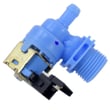
- Dishwasher water inlet valve W11175771 if the dishwasher will not fill.
Why it matters
Most “common problems” are maintenance and flow related. A clean filtration system, correct loading, and a properly latched door prevent repeat wash issues, long cycles, and standing water that can lead to odors.
Last updated: February 2026
What are the commonly replaced parts in a dishwasher?
On the KitchenAid KDFE304DBL0 dishwasher, the most commonly replaced parts are the wash and drain components (pumps, inlet valve, hoses), heating and sensing parts, and door and rack hardware. These parts wear from normal use, clogs, hard water buildup, and repeated door and rack movement.
Commonly replaced parts (and what they affect)
- Water fill: a failing inlet valve can cause no fill, slow fill, or underfilling; see dishwasher water inlet valve W11175771.
- Draining: a weak or jammed drain pump can leave standing water; see dishwasher drain pump WPW10531320.
- Heating and drying: a bad heater can lead to poor drying and cooler wash water; see heater W10703867.
- Filtering and soil handling: clogged or damaged filter parts reduce cleaning performance; see dishwasher filter cup assembly W10872845.
- Door operation: latch and balance parts affect starting and safe closing; see dishwasher door latch WPW10653840 and the door balance link.
- Rack movement: worn rollers and adjusters cause racks to bind or fall off track; see dishwasher dishrack roller assembly, lower WPW10195417 and adjusters.
Quick symptom-to-part guide
| Symptom | Most likely part area | Example part for KDFE304DBL0 |
|---|---|---|
| Won’t fill or fills slowly | Water inlet | W11175771 |
| Won’t drain | Drain system | WPW10531320 |
| Not drying well | Heating | W10703867 |
| Gritty dishes, poor cleaning | Filtration | W10872845 |
| Door won’t latch or won’t start | Door latch | WPW10653840 |
Why it matters
Replacing the right part restores cleaning, drying, and leak protection while preventing secondary damage (for example, a restricted filter can strain the pump). Our KDFE304DBL0 owner’s manual also explains the triple filtration system and when to clean the filters to maintain peak performance.
Before you buy a part (fast checks)
- Clean and reseat the filters; make sure the upper filter locks in place.
- Check the drain path for kinks or clogs (air gap, disposer inlet, drain hose routing).
- Confirm the door closes firmly and the latch engages.
- Run a cycle and note where it stops (fill, wash, drain, dry).
- If an error code appears, use KitchenAid he dishwasher error codes.
Last updated: February 2026