Installation guide
 Owner’s manual
 Error Codes


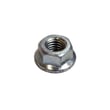
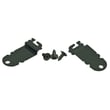
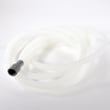

What are the commonly replaced parts in a dishwasher?
In a Whirlpool undercounter dishwasher like model GU2475XTVY0, the most commonly replaced parts are the ones that handle heating, draining, sealing, and everyday loading wear. When you see poor drying, leaks, or standing water, these parts are usually the first places we check; see the GU2475XTVY0 owner's manual for model-specific care and troubleshooting steps.
Most commonly replaced parts (and what they affect)
- Heating and drying: a failed heater can leave dishes wet or cool; a common replacement is the dishwasher heating element W10518394.
- Draining: a weak or jammed drain pump can cause standing water; the dishwasher drain pump WPW10348269 is a frequent fix.
- Door sealing: worn seals can cause leaks; the dishwasher door seal and strike kit W10542314 addresses common sealing and latch alignment issues.
- Filling: if the unit does not fill properly, the water inlet valve is often inspected.
- Dispensing: detergent door problems or residue can point to a dispenser issue.
- Racks and slides: broken rack stops and worn rack parts affect loading and can cause rack derailment.
Quick symptom-to-part guide
| Symptom | Most likely part area | Example part for GU2475XTVY0 |
|---|---|---|
| Dishes not drying well | Heating circuit | Dishwasher heating element |
| Water left in tub | Drain system | Dishwasher drain pump, drain hose |
| Leaks at the door | Door seal/latch | Door seal and strike kit |
| Detergent not dispensing | Dispenser or blockage | Detergent dispenser assembly |
| Poor cleaning | Wash system or sensor | Pump motor, turbidity sensor |
Why these parts fail most often
- Food soil and grease buildup restrict flow and strain pumps
- Hard water causes mineral film and can reduce performance
- Door seals compress and wear over time
- Heavy rack loading stresses rack stops and rails
- Normal electrical wear can affect controls, heaters, and sensors
Why it matters
Replacing the right “high-wear” part first saves time and prevents secondary problems, like overheating from poor water circulation or leaks that damage the floor. Regular cleaning and correct detergent use also help reduce repeat failures.
Last updated: January 2026
Are all Whirlpool dishwashers the same size?
No. Whirlpool dishwashers are not all the same size; built-in (undercounter) models like GU2475XTVY0 are usually a standard width, but overall height and depth can vary by model and installation. For this model, the installation guide shows adjustable height to fit common cabinet openings.
Common dishwasher size categories
Most Whirlpool dishwashers fall into these groups:
- Standard built-in (undercounter): most common for kitchen cabinetry
- Compact built-in: narrower for small kitchens
- Oversized/tall-tub built-in: similar width, different interior and sometimes height needs
- Portable: rolls to the sink; often deeper and taller than built-ins
What we know for Whirlpool GU2475XTVY0
The GU2475XTVY0 installation instructions include a height adjustment chart showing it can be set up for different cabinet opening heights.
- Factory preset height is about 34-1/2 in. (87.6 cm)
- It can fit a cabinet opening as low as about 33-7/8 in. (86.0 cm) with rear wheels removed
- Leveling legs and wheel position are used to fine-tune fit
See the exact adjustment steps and clearances in the GU2475XTVY0 installation guide.
Quick size comparison (typical ranges)
| Dishwasher type | Typical width | Typical height | Typical depth |
|---|---|---|---|
| Built-in (standard) | ~24 in. | ~33-1/2 to 35 in. | ~24 in. |
| Compact built-in | ~18 in. | ~33-1/2 to 35 in. | ~24 in. |
| Portable | ~24 in. | often taller | often deeper |
Why it matters
Dishwashers can look “standard,” but small differences in height adjustment, toe-kick clearance, and depth affect whether the door opens freely and whether the unit sits flush with your cabinets.
Last updated: January 2026
What's the most common problem with a whirlpool dishwasher?
For the Whirlpool GU2475XTVY0 undercounter dishwasher, the most common problems we see are poor cleaning (food left on dishes) and drainage trouble (water left in the tub). In many cases, the root cause is simple maintenance, loading, or a drain restriction, not an immediate control failure; use the GU2475XTVY0 owner's manual troubleshooting checks first.
Most common symptoms and what usually causes them
- Dishes still dirty: blocked spray arms, overloading, low water temperature, or detergent issues
- Standing water after the cycle: clogged drain path, dirty air gap (if installed), or a weak drain pump
- Won’t start or stops mid-cycle: door not fully latched, power issue, or an overload reset
- Leaks: door seal wear, tub alignment, or loose hose connections
- Poor drying: heater circuit issue, rinse-aid problems, or cycle selection
Quick checks we recommend (in order)
- Confirm the door is fully closed and latched; many “won’t run” complaints are latch related.
- Verify power: check the household breaker or fuse, then try starting a normal cycle again.
- Check draining basics: clean the sink/disposer connection and any drain air gap (if you have one).
- Load for spray access: keep tall items from blocking the spray arms and rear wash area.
- Use proper detergent and rinse aid; a stuck dispenser or empty rinse-aid reservoir can mimic “bad washing.”
Parts that commonly relate to these problems on GU2475XTVY0
| Symptom | Common part involved | What it affects |
|---|---|---|
| Water left in tub | Dishwasher drain pump WPW10348269 | Pushes water out during drain |
| Poor drying, cool water | Dishwasher heating element W10518394 | Heats water and supports drying |
| Leaks at the door | Dishwasher door seal and strike kit W10542314 | Seals the door and helps proper latching |
Why it matters
Catching a drain restriction, loading issue, or a weak heater early prevents repeat wash failures, odor buildup, and unnecessary wear on the wash system. It also helps you replace the right part the first time.
Last updated: January 2026
What is the spinning thing at the bottom of a dishwasher called?
In a Whirlpool GU2475XTVY0 dishwasher, the spinning part at the bottom is the lower spray arm (often just called the spray arm). It rotates during the wash to spray water up through the lower rack and circulate water through the tub; keeping it clear helps cleaning performance.
What the spray arm does
The spray arm is a rotating water distributor. Water pressure from the pump pushes water through small spray holes, which makes the arm spin and blast water at dishes.
- Sprays water upward to reach dishes on the lower rack (and helps feed overall circulation)
- Spins freely when nothing is blocking it
- Works with proper loading so water reaches all soiled surfaces
- Can be affected by hard debris (bones, toothpicks, labels) left on dishes
Quick checks if it is not spinning well
We recommend these simple checks first because loading and debris are the most common causes.
- Make sure tall items do not hit the spray arm when the racks are pushed in
- Remove leftover food and hard items before loading
- Confirm nothing is blocking the spray arm(s) from spinning freely
- Check that dishes are not overlapping in a way that traps food and blocks spray
- Run a short cycle and listen for normal wash action (steady spraying, not just filling)
Related parts you may see mentioned
If you are troubleshooting poor wash results, these parts are commonly involved (depending on symptoms).
| Symptom | Common area to inspect | Example part for this model |
|---|---|---|
| Dishes not drying well | Heating circuit | Dishwasher heating element W10518394 |
| Standing water after cycle | Drain system | Dishwasher drain pump WPW10348269 |
| Weak fill or no fill | Water supply | Dishwasher water inlet valve W10648041 |
Why it matters
Spray arms are the main way your GU2475XTVY0 delivers wash pressure to the dishes. If the lower spray arm cannot spin freely, water will not reach all surfaces, and you can see gritty residue, poor cleaning, and noisy operation.
For loading guidance that helps keep the spray arm(s) clear, follow the rack-loading tips in the GU2475XTVY0 user manual.
Last updated: January 2026