Installation guide
 Owner’s manual
 Error Codes



How can I tell if a GE part is compatible?
A GE part is compatible when it matches your exact dryer model number and the correct part ID for that model. For the GE GFDN245GL0MS gas dryer, we recommend confirming the model tag, then cross-checking the part ID in the parts list and diagrams in the GFDN245GL0MS owner's manual.
Quick compatibility checklist
- Match the full model number exactly: GFDN245GL0MS (letters and numbers matter)
- Confirm the appliance type: GE gas dryer (gas and electric versions can use different parts)
- Compare the part ID (for example, WE03X29897) rather than only the description
- Verify the part’s location using the exploded-view diagram (drum, blower housing, burner area)
- If you are replacing a wear item, check for related parts that commonly fail together
Examples of compatible parts for this model
These parts are listed for GE model GFDN245GL0MS, so they are the right starting point when you need a replacement.
| What you’re fixing | Example compatible part (part ID) | What it does |
|---|---|---|
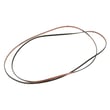
| Drum not turning, squealing | Dryer drum belt WE03X29897 | Turns the drum with the motor pulley |
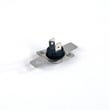
| Dryer will not start when door closes | Dryer door switch WE4M415 | Confirms the door is closed so the dryer can run |
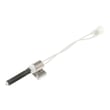
| No heat or intermittent ignition (gas) | Dryer burner igniter WE04X25996 | Ignites the gas at the burner |
Why part numbers and part IDs both matter
GE parts often have a manufacturer part number (example: WE12M29) and a Sears PartsDirect part ID (example: WE03X29897). When you compare compatibility, the part ID and model number combination is the most reliable way to avoid ordering a look-alike part that does not fit.
Why it matters
Using the correct part for GFDN245GL0MS prevents fit issues (mounting holes, wiring connectors, belt length) and helps the dryer run safely and efficiently after the repair.
Last updated: February 2026
How to get GE dryer to dry faster?
For your GE GFDN245GL0MS gas dryer to dry faster, we focus on airflow first: clean the lint screen, confirm the exhaust duct is clear and correctly installed, and avoid overloading. Strong airflow and correct venting reduce cycle time and improve drying performance.
Quick fixes that make the biggest difference
- Clean the lint screen before every load; wash it with warm water occasionally to remove fabric softener film.
- Check the vent path for kinks, crushed flex duct, lint buildup, or a stuck exterior damper.
- Use 4-inch metal ducting and keep the run as short and straight as possible.
- Sort loads by fabric weight; heavy towels with light shirts slows everything down.
- Use the correct cycle (sensor dry for mixed loads; timed dry for bulky items that need extra time).
Venting and installation checks (most common cause)
Restricted venting is the top reason a gas dryer runs long. In the installation instructions, GE calls out verifying the existing external exhaust is clean and connecting the external exhaust properly. Use the installation guide to confirm your duct setup and clearances.
Ducting do’s and don’ts
| Item | Best practice | What slows drying |
|---|---|---|
| Duct type | 4-inch rigid or semi-rigid metal | Long, crushed, or lint-packed duct |
| Elbows | Fewer turns | Multiple tight turns |
| Outside hood | Opens freely | Damper stuck closed or clogged |
When a part is likely involved
If airflow is good but drying is still slow, the dryer may be misreading moisture or cycling heat incorrectly.
- If sensor cycles end too soon or act inconsistent, clean the moisture sensor bars; if symptoms persist, consider the dryer moisture sensor WE1M575.
- If heat seems to cut in and out rapidly, a temperature-sensing issue can contribute; the dryer thermistor WE04X20685 is one common control input.
Why it matters
Fast drying is not just convenience; proper airflow helps the burner heat efficiently, reduces wear on the drive motor, and helps prevent overheating from trapped lint.
Last updated: February 2026
Is GE profile considered high end?
Yes. GE Profile is widely considered GE’s higher-end mainstream line, positioned above standard GE models because it typically adds upgraded design, more advanced features, and more premium controls. It is not GE’s top luxury tier; that role is usually filled by lines like Café and Monogram.
How this relates to your GE GFDN245GL0MS gas dryer
For the GE GFDN245GL0MS, “Profile” mainly shows up as feature set and user experience (cycles, sensors, controls) rather than changing core maintenance needs. You still get the best results by following the venting, temperature, and safety requirements in the GFDN245GL0MS installation guide.
- Keep the installation area above 50°F for proper control operation.
- Use correct exhaust ducting practices (tight joints, no screws into duct that catch lint).
- Separate duct turns with straight runs when possible for better airflow.
- Tape internal duct joints so they do not separate.
- Maintain airflow to prevent long dry times and overheating.
Quick comparison: GE lines (typical positioning)
| GE brand family | Typical market position | What you usually get |
|---|---|---|
| GE (standard) | Value to mid-range | Core cycles and basic controls |
| GE Profile | Mid-to-high end | More features, upgraded controls, modern styling |
| Café / Monogram | Premium / luxury | Highest-end finishes, design-forward features |
Why it matters for repairs and parts
Higher-end controls and sensors can mean different troubleshooting paths when performance changes. For example, if drying results become inconsistent, we often check airflow first, then sensor-related parts.
Common dryer parts that affect performance on this model include:
- Dryer moisture sensor WE1M575 (auto-dry accuracy)
- Dryer door switch WE4M415 (start and run safety interlock)
- Dryer burner igniter WE04X25996 (gas heat ignition)
- Dryer thermistor WE04X20685 (temperature sensing)
If your dryer displays a fault, the GE gfd model series error codes guide helps narrow the cause quickly.
Last updated: February 2026
What are common dryer part failures?
On the GE GFDN245GL0MS gas dryer, the most common part failures show up as no heat, long dry times, squealing or thumping, or a drum that will not turn. We typically trace these symptoms to airflow restrictions, ignition and gas-burner components, or drum-drive wear items.
Most common failures by symptom
- No heat (gas dryer): burner igniter, gas valve assembly, temperature sensing parts (thermistor)
- Long dry times: crushed or overlong venting, lint buildup, damaged ducting
- Squealing, scraping, or thumping: drum belt, idler pulley, front glide pads, rear bearing components
- Will not start or stops mid-cycle: door switch, electronic control board, user interface
- Drum will not tumble: broken belt, seized idler pulley, failed drive motor
Parts we often replace on this model
| Symptom | Likely part | Example part for GFDN245GL0MS |
|---|---|---|
| Drum not turning, burning rubber smell | Drum belt | Dryer drum belt WE03X29897 |
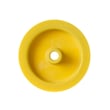
| Loud squeal while running | Idler pulley | Dryer idler pulley WE12X83 |
| No heat, clicks but no flame | Burner igniter | Dryer burner igniter WE04X25996 |
| Dryer will not run when door closes | Door switch | Dryer door switch WE4M415 |
Airflow and venting problems (very common)
Even when parts are good, restricted airflow causes long dry times and overheating. For this GE gas dryer, the installation guidance is clear that it must vent outdoors and use 4-inch metal ducting.
- Exhaust the dryer to the outdoors
- Use 4-inch rigid metal duct for the home exhaust run
- Use only UL-listed flexible metal transition duct between dryer and wall connection
- Avoid flexible plastic duct; it can collapse and trap lint
- Keep the vent run within the recommended maximum length and elbow count
For the exact venting rules and maximum duct lengths for your setup, follow the installation guide.
Why it matters
Catching these failures early helps prevent repeat breakdowns, reduces dry time and gas use, and lowers the risk of overheating from poor venting. Many “bad dryer” complaints end up being a venting issue first, then a worn belt or idler second.
Last updated: February 2026
What is quick dry on a GE dryer?
Quick dry on a GE dryer is a cycle designed to dry a small load faster than standard cycles by using higher heat and more aggressive airflow and tumbling. On the GE GFDN245GL0MS gas dryer, it is best for a few lightweight items you need ready quickly.
How to use quick dry effectively
- Use it for small loads (a few shirts, workout gear, light towels), not a packed drum.
- Choose high heat only for sturdy fabrics; use lower heat for synthetics to reduce shrink risk.
- Clean the lint screen before the cycle to keep airflow strong.
- Use a higher spin speed in the washer first; less water in the load means faster drying.
- If items are still damp, add a short timed dry instead of rerunning a full cycle.
What to expect (quick comparison)
| Cycle type | Best for | Typical result |
|---|---|---|
| Quick dry | Small, light loads | Fast turnaround, can be less even on bulky items |
| Timed dry | Any load size (you set time) | Predictable time, may overdry if set too long |
| Sensor dry | Mixed everyday loads | More even drying, usually longer than quick dry |
Why it matters
Using quick dry for the right load size helps prevent overdrying, saves energy, and reduces wear on fabrics. If quick dry seems slow, the most common cause is restricted airflow (lint buildup or venting issues), which also affects heating performance.
Related help for this GE dryer
- Check cycle details and fabric recommendations in the GFDN245GL0MS owner’s manual.
- If the dryer displays a code or behaves oddly during cycles, use the GE gfd model series error codes reference.
Last updated: February 2026
What's the life expectancy of a GE dryer?
A GE dryer typically lasts about 10 years with normal household use. For your GE GFDN245GL0MS gas dryer, consistent airflow (clean venting and lint removal) and avoiding overheating are the biggest factors that help it reach its full service life.
Typical lifespan and what affects it
Most dryers land in a similar range, but these items make the biggest difference:
- Vent restriction (long runs, crushed duct, lint buildup) increases heat and run time
- Overloading strains the drive system (belt, idler, motor)
- Heat stress from poor airflow shortens the life of gas ignition and temperature-sensing parts
- Skipped maintenance (lint screen, blower area, vent hood) raises wear and energy use
- Frequent short cycles can increase start/stop wear on moving parts
Maintenance that extends dryer life
We recommend following the venting and clearance guidance in the installation guide.
- Clean the lint screen before every load
- Inspect and clean the full vent path to the outdoors regularly
- Use rigid metal 4-inch ducting where possible and keep the run as short as practical
- Confirm the outside vent hood opens freely and is not blocked
- Stop using the dryer if you smell gas or notice scorching; have it checked by a qualified technician
Quick reference: what “normal” looks like
| Item | Good target | What happens if it’s not met |
|---|---|---|
| Airflow/venting | Strong airflow at outside hood | Longer dry times, higher heat, more wear |
| Load size | Drum not packed tight | Belt and motor strain, poor tumbling |
| Lint control | Lint screen clear every load | Overheating risk, reduced efficiency |
Common wear items you may replace over time
These parts often wear before the cabinet or drum does:
- Dryer drum belt WE03X29897 (drum won’t tumble, squealing, slipping)
- Dryer idler pulley WE12X83 (squeal, thump, belt wear)
- Dryer burner igniter WE04X25996 (gas dryer runs but won’t heat)
Why it matters
A dryer that is vented correctly dries faster, runs cooler, and puts less stress on the motor, belt, and gas heating system. That directly improves reliability and helps your GE GFDN245GL0MS reach the typical 10-year life.
Last updated: February 2026