Owner’s manual

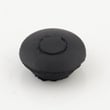
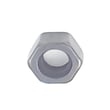
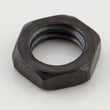
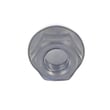
Are all table saw arbor nuts the same size?
No. Table saw arbor nuts are not all the same size because arbor shaft diameter and thread direction vary by saw design. On the Craftsman 137218040, the arbor nut is removed by turning it counterclockwise and tightened clockwise; use the wrench flats on the arbor to keep it from turning (see the owner's manual).
What’s typically “standard” and what isn’t
Most 10-inch table saws commonly use a 5/8-inch arbor for blade mounting, but that does not guarantee the same arbor nut size, thread pitch, or wrench size across brands and models.
Common differences include:
- Arbor diameter (commonly 5/8 inch on many 10-inch saws)
- Thread pitch (varies by manufacturer)
- Thread direction (some saws use reverse threads)
- Nut style (hex nut vs. flange nut vs. integrated washer)
- Wrench size needed to loosen/tighten the nut
How to confirm the correct arbor nut for Craftsman 137218040
Use these checks before buying or swapping parts:
- Follow the blade-change steps in the owner's manual
- Verify the nut loosens in the correct direction (for this model: counterclockwise to remove)
- Measure arbor diameter with calipers (shaft, not the blade bore)
- Check that the outer flange seats flat against the blade
- For dado setups, confirm the manual’s guidance on flange use and thread engagement
Dado note for this model
For dado cuts, the manual specifies a maximum 6-inch dado set and 1/2-inch width; it also notes you may omit the outside flange for maximum-width dado cuts as long as the arbor nut is tight and at least one thread shows past the nut.
Quick comparison: blade bore vs. arbor nut
| Item | What it affects | What varies most |
|---|---|---|
| Blade bore (hole size) | Whether the blade fits the arbor | Less (many 10-inch blades are 5/8 inch) |
| Arbor nut | How the blade is clamped | More (thread, wrench size, style) |
| Outer flange | Blade support and clamping | Varies by model and dado setup |
Why it matters
Using the wrong arbor nut (or forcing the wrong thread direction) can prevent the blade from clamping securely, which increases vibration, causes bad cuts, and creates a serious kickback risk.
Last updated: February 2026
Can you use an 8 inch blade on a 10 inch table saw?
Yes. You can run an 8-inch standard saw blade on the Craftsman 137218040 table saw if the blade’s arbor hole matches the saw arbor and the blade is rated for the saw’s speed. Cut capacity drops because the blade is smaller; confirm setup details in the 137218040 owner's manual.
What changes with an 8-inch blade
- Reduced max cut depth: a smaller diameter blade cannot cut as deep as the 10-inch blade size listed for this saw.
- Guard and insert fit: the blade must clear the throat plate (table insert) and blade guard through the full height and bevel range.
- Cut quality can shift: a different kerf and plate stiffness can affect burning, wandering, or vibration.
- More noticeable alignment issues: fence-to-blade parallel and splitter/riving alignment still matter for kickback control.
Dado guidance for this model
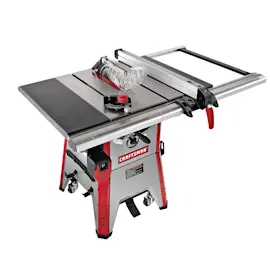
This Craftsman 137218040 is a 10-inch table saw, but it has a specific dado limit: maximum dado diameter is 6 inches and maximum dado cut width is 1/2 inch. Use the correct dado insert and keep the rear of the table insert flush during cutting, as described in the 137218040 owner's manual.
Quick compatibility checklist
- Unplug the saw before changing blades.
- Match the arbor hole on the 8-inch blade to the saw arbor.
- Verify the blade’s maximum RPM rating meets or exceeds the saw’s no-load speed (5000 RPM).
- Install with teeth facing the correct direction; tighten the arbor nut securely.
- Hand-spin the blade to confirm it clears the insert and guard.
| Setup item | 10-inch blade (normal) | 8-inch blade (what to expect) |
|---|---|---|
| Fit | Standard for this saw | Fits when arbor hole matches |
| Cut depth | Maximum capacity | Reduced capacity |
| Best use | General ripping and crosscutting | Thin stock, specialty blades |
Why it matters
Using the wrong blade size or a blade that does not fit the arbor correctly increases vibration, poor cuts, and kickback risk. For safe blade-change steps, follow how to replace a table saw blade.
Last updated: February 2026
How to get rid of an old table saw?
If your Craftsman 137218040 table saw still runs, the best way to get rid of it is to sell or donate it; if it does not run, recycle it as scrap metal or through a local recycling drop-off. Remove the blade and accessories first so it can be handled safely.
Best options (from easiest to most thorough)
- Sell it locally if the motor runs and the fence and miter gauge are included.
- Donate it to a community shop, school program, or reuse organization if it is safe and complete.
- Give it away as “free, you haul” if you just need it gone quickly.
- Recycle as scrap metal if it is broken or missing key parts.
- Use a local recycling event for mixed materials (metal, cord, switches) if your area offers one.
Safety steps before you move or dispose of it
- Unplug the saw and remove the switch key (if equipped).
- Remove the blade, blade guard, rip fence, and miter gauge.
- Lower the blade fully and lock adjustments.
- Tape or tie the power cord so it cannot snag.
- Bag small hardware (wrenches, knobs) so nothing falls out in transport.
What to do with the blade and metal parts
Most table saw blades are steel and can be recycled with scrap metal, but they must be packaged so they cannot cut anyone.
| Item | Recommended handling | Why it matters |
|---|---|---|
| Saw blade | Remove it; wrap teeth with cardboard and tape | Prevents cuts during transport |
| Table saw body/stand | Scrap metal recycler or recycling drop-off | Keeps bulky metal out of landfill |
| Power cord/switch | Leave attached unless your recycler requests separation | Avoids unsafe disassembly |
Why it matters
A table saw is heavy (this model is about 52 lbs) and has sharp components; removing the blade and securing loose parts reduces injury risk and prevents damage during hauling. For model-specific handling and safe disassembly basics, follow the owner's manual.
Last updated: February 2026
What size blade is a craftsman 137218040 table saw?
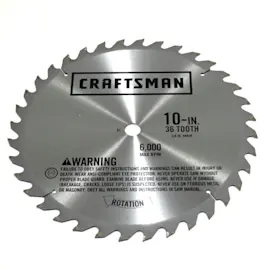
The Craftsman table saw model 137218040 uses a 10-inch blade. This is the blade diameter the saw is designed for, and it matches the specifications listed in the owner's manual.
How to confirm you have the right blade
Use these quick checks before you buy or install a replacement blade:
- Verify the blade diameter is 10 inches (measured across the blade).
- Match the blade’s arbor hole to your saw’s arbor (the center hole must fit correctly).
- Choose the right tooth count for your cut (rip, crosscut, or combination).
- Confirm the blade is rated for at least 5000 RPM.
- Inspect the blade for wobble, missing teeth, or pitch buildup before reinstalling.
Blade selection guide (common choices)
| Cut type | Typical tooth count | Best for |
|---|---|---|
| Rip cuts | 24T to 30T | Fast cuts along the grain |
| Crosscuts | 60T to 80T | Cleaner cuts across the grain |
| Combination | 40T to 50T | General-purpose cutting |
Why it matters
Using the correct 10-inch blade helps the 137218040 reach full cutting depth, keeps the guard and splitter alignment correct, and reduces vibration that can cause rough cuts or kickback.
If you’re replacing the blade
Follow the step-by-step procedure and safety notes in the how to replace a table saw blade guide, then recheck blade alignment and fence squareness.
Last updated: February 2026