Owner’s manual
 Error Codes




What brands make the GFW550SSN0WW?
GE makes the washer model GFW550SSN0WW. In the owner documentation, GE is identified as a trademark of the General Electric Company, and this model is part of the GE GFW front load washer family.
How to confirm the brand on your washer
You can verify the brand and exact model number on the rating label inside the washer door, then match it to the documentation for GFW550.
- Open the door and look for the model/serial label on the door opening
- Confirm the model reads GFW550SSN0WW (exact characters matter)
- Check the brand marking on the label (GE)
- Match the model to the GFW550SSN0WW owner's manual
Brand vs. model family (what the name means)
GE uses the GFW prefix to identify a front load washer platform; GFW550 is the series within that platform.
| Item | What it tells you | Example for this washer |
|---|---|---|
| Brand | Who the product is sold under | GE |
| Model number | Exact configuration/version | GFW550SSN0WW |
| Model family/series | Related designs with shared features | GFW550 |
Why it matters
Using the correct brand and full model number helps us match the right washer parts (such as a door lock, water valve, or control board) and ensures troubleshooting steps and cycle features align with your exact GE washer.
Last updated: February 2026
What is the warranty on the GE washer GFW550SSN0WW?
The GE washer model GFW550SSN0WW includes a 1-year limited warranty covering parts and labor for defects in materials or workmanship, plus a 10-year limited warranty on the motor (motor part only; labor is your responsibility after year 1). See the full terms in the GFW550SSN0WW owner's manual.
Warranty coverage at a glance
- Year 1 (from original purchase date): Any washer part that fails due to a defect; parts and labor included
- Years 2 to 10 (from original purchase date): Motor only if it fails due to a defect; motor part covered
- After year 1: Labor and related service costs for motor replacement are not covered
- Proof of purchase is required (keep your receipt)
| Coverage period | What’s covered | Labor included? |
|---|---|---|
| 1 year | Any defective washer part | Yes |
| 10 years | Motor (part only) | No (after year 1) |
What this means for common repairs
If your washer won’t start or won’t unlock, the issue is often in door-locking components, wiring, or controls, not the motor. For example, a failed GE washer door lock WH01X29528 can prevent operation even when the motor is fine.
- No-start or door won’t lock: door lock, door latch, door strike support
- No fill or fill errors: inlet water valve, supply hoses, screens
- No drain: drain pump, tub-to-pump hose, clogs
- Excess vibration: suspension components, leveling
Why it matters
Knowing what is covered helps you decide whether to schedule service, replace a part yourself, or focus troubleshooting on non-warranty items. The 10-year motor coverage is valuable, but many everyday symptoms trace back to door lock, water valve, drain, or control issues.
Last updated: February 2026
How do I tell what model my GE washer is?
Your GE washer’s model number is printed on the rating label; on the GE GFW550SSN0WW front-load washer, that label is inside the washer door area (typically on the door opening/door jamb). Write down the full model number exactly as shown before ordering parts.
Where to look on a GE front-load washer
Check these common label locations (in this order):
- Inside the door opening on the cabinet (door jamb area)
- Along the inner front frame just behind the door
- On the back of the washer cabinet (less common on front-load models)
- Behind the lower access panel area (only on some designs)
For this model, the GFW550SSN0WW owner's manual points you to the label inside the washer door.
What to record (so parts match)
Copy the information exactly from the label:
- Model number (example: GFW550SSN0WW)
- Serial number (helps confirm production run and compatible revisions)
- Any suffix letters or extra characters (do not drop them)
Quick check table
| Item on label | Why we need it | Example format |
|---|---|---|
| Model number | Matches parts diagrams and compatible parts | GFW550SSN0WW |
| Serial number | Helps confirm version and date range | Letters and numbers |
Why it matters
GE often uses similar-looking washer platforms (like the GFW series) with different control boards, door lock styles, and hoses. Using the exact model number helps ensure you get the right parts the first time.
Last updated: February 2026
What is the most common problem with front load washers?
The most common front-load washer problem is odor and mildew caused by moisture trapped around the door boot and detergent residue. On the GE GFW550SSN0WW, regular cleaning and keeping the door area dry prevents most smell, leak, and “won’t start” complaints.
Most common issues we see (and what they look like)
- Odor or mildew: musty smell, visible residue on the door boot
- Small leaks at the door: water drips from the front, wet floor after a cycle
- Vibration or walking: shaking during spin, cycle time may increase while it rebalances
- Slow fill or no fill: water starts several seconds after Start, or fills very slowly
- Pause, locked door, or won’t drain: washer stops and the door stays locked
Quick prevention checklist (best habits)
- Leave the door and dispenser slightly open between loads to dry out.
- Wipe the door boot and glass after the last load of the day.
- Use only HE detergent and avoid over-dosing.
- Run the washer’s cleaning cycle on schedule.
- Check pockets; small items can end up at the pump filter.
If the washer pauses, won’t drain, or the door won’t open
A clogged pump filter is a top cause on front-load designs. The manual notes it’s normal to catch about a cup of water when removing the filter, and it provides steps to drain and clean it safely.
| Symptom | Common cause | What to do first |
|---|---|---|
| Door locked, cycle stopped | Pump filter clogged | Clean the pump filter per the GFW550SSN0WW owner’s manual |
| Won’t drain, water left in tub | Debris in drain path | Check pump filter, then inspect hoses |
| Intermittent drain problems | Restricted hose | Inspect the tub to pump hose WH41X29628 for kinks or clogs |
If water enters slowly
GE notes the washer performs automatic system checks after Start, and water may flow a few seconds later. If it is still slow, cleaning the inlet screens at the washer and hoses often restores normal fill.
Why it matters
Front-load washers clean efficiently with less water, but that design keeps moisture in the door area and relies on clear drain paths. Drying the door boot and keeping the pump filter clear prevents odors, leaks, and mid-cycle stoppages.
Last updated: February 2026
What is the life expectancy of a GE washing machine?
Most GE washing machines last 10 to 14 years in normal home use. For your GE GFW550SSN0WW front-load washer, consistent maintenance (especially moisture and hose care) is what most directly determines whether you land closer to 10 years or closer to 14.
What helps your washer reach the high end of that range
- Replace water supply hoses every 5 years to reduce the risk of hose failure.
- Turn off the water faucets when the washer is not in use.
- Keep the washer level and stable to reduce vibration and wear.
- After loads, remove laundry promptly and dry out moisture-prone areas.
- Use the ULTRAFRESH VENT feature (or leave the door ajar) to help prevent odor and gasket moisture.
Maintenance checklist (simple, high impact)
| Task | How often | Why it matters |
|---|---|---|
| Replace fill hoses | Every 5 years | Prevents leaks and water damage risk |
| Vent/dry the door area | After most loads | Reduces odor and gasket moisture |
| Verify washer is level | At install, then as needed | Helps prevent excessive vibration |
| Shut off faucets when away | As needed | Minimizes leakage risk |
When a “shorter lifespan” is usually a repair issue
If performance changes suddenly, it is often a fixable part problem, not end-of-life. Common examples include:
- Door won’t lock or cycle won’t start: GE washer door lock WH01X29528
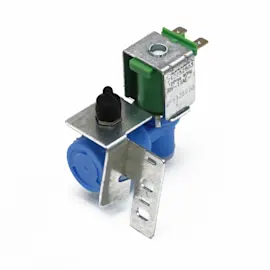
- Won’t fill or fills incorrectly: water valve WH23X29538
- Won’t drain or drains poorly: GE washer drain pump assembly WH11X39237
Why it matters
A front-load washer like the GE GFW550SSN0WW is built to run for years, but moisture control and hose replacement are the two easiest ways to prevent the most common “washer-killing” problems: odor-related buildup and water damage. For model-specific care and operating details, follow the GFW550SSN0WW owner's manual.
Last updated: February 2026
Why is my GE front load washer leaking from the front?
On the GE GFW550SSN0WW front load washer, a front leak usually comes from the door seal area (dirt, a gasket not seated, or a tear), oversudsing from too much or non-HE detergent, or a dispenser overflow/clog. Start by cleaning and inspecting the seal and checking detergent use per the GFW550SSN0WW owner's manual.
Quick checks we recommend first
- Wipe the rubber door seal (boot) all the way around; remove lint, hair, and small items.
- Check the gasket is fully seated and not torn (pocket items like screws, pens, or nails can damage it).
- Use only HE detergent and reduce the amount if you see lots of suds (oversudsing can push water out the front).
- Pull out the dispenser drawer and clean the drawer and the dispenser box area; powder detergent buildup can cause overflow.
- Confirm the fill hoses and drain hose connections are tight and properly routed.
Clean the pump filter (common cause of odd leaks and drips)
GE notes it is normal to catch about a cup of water when removing the pump filter. Place a towel or shallow pan under the access area, then remove and clean the filter slowly and reinstall it securely.
What you may see vs. what it points to
| What you notice | Most likely cause | What to do next |
|---|---|---|
| Drips at the bottom of the door | Dirty seal or small debris on gasket | Clean and recheck for a tight seal |
| Water trails from dispenser area | Dispenser clogged or cracked | Clean dispenser; inspect for cracks |
| Suds and water at back-left area | Oversudsing | Switch to HE; use less detergent |
| Leak appears during drain/spin | Pump filter debris or drain path issue | Clean pump filter; check drain hose |
Parts that commonly relate to front leaks on this model
If cleaning and detergent corrections do not stop the leak, these parts are often involved:
- Washer door boot WH05X29521 (torn, warped, or not sealing)
- Inner gasket clamp WH01X29615 (clamp not holding the boot securely)
- Washer door boot spring clamp WH05X29663 (outer clamp loose or popped off)
Why it matters
A small front leak can quickly lead to odor, mildew around the door opening, and floor damage. Fixing the seal, detergent, or dispenser issue early also helps prevent repeat leaks and oversudsing-related problems.
Last updated: February 2026
How much does it cost to replace a gasket on a GE washing machine?
On the GE GFW550SSN0WW front-load washer, replacing the door gasket (door boot) typically costs $150 to $450 total: about $120 to $220 for the part plus $150 to $250 for labor if you hire service. DIY replacement usually costs just the part.
Typical cost breakdown
- DIY parts-only: $120 to $220 (door gasket/boot)
- Professional labor: $150 to $250 (varies by region and access)
- Common add-ons: $10 to $30 for clamps or small hardware if needed
| Scenario | What you pay for | Typical total |
|---|---|---|
| DIY replacement | Part only | $120 to $220 |
| Pro replacement | Part + labor | $270 to $470 |
| Pro plus extra hardware | Part + labor + clamps | $280 to $500 |
Parts that commonly go with a gasket job
On this model, the gasket is held in place with clamps. If a clamp is stretched, corroded, or won’t reseat, replacing it prevents leaks.
- Washer door boot WH05X29521 (main rubber gasket that seals the door opening)
- Washer door boot spring clamp WH05X29663 (outer clamp that helps secure the boot)
- Inner gasket clamp WH01X29615 (inner clamp that secures the boot to the tub)
What we recommend before you replace the gasket
A lot of “bad gasket” complaints are actually debris, trapped items, or blocked drain holes behind the gasket. GE’s care steps for this model focus on inspecting and cleaning the gasket area.
- Open the door and press down on the gasket to check for coins, pins, socks, and buildup
- Make sure nothing blocks the holes behind the gasket
- Run a monthly cleaning cycle (Self Clean) to reduce odor and residue
- Use the ULTRAFRESH VENT feature or leave the door ajar to help dry the gasket
For the exact cleaning steps and care schedule, use the GFW550SSN0WW owner’s manual.
Why it matters
A worn or mis-seated door gasket can cause front leaks, musty odors, and water damage. Cleaning and drying habits can extend gasket life, and replacing clamps during the repair helps ensure a watertight seal.
Last updated: February 2026